The landscape of cryptocurrency mining is undergoing a significant transformation, and the latest data paints a clearer picture of where the industry is headed. According to recent findings from the Cambridge Centre for Alternative Finance, global Bitcoin mining power consumption has climbed by 38%, reaching an estimated 190 terawatt-hours (TWh). While the sheer scale of that number often sparks debate, the more compelling story lies in how that electricity is being generated. For the first time, hydropower has surpassed natural gas as the dominant energy source for the network, pushing the share of low-carbon electricity to an impressive 59.4% by late 2025.
Understanding the Scale of Bitcoin’s Energy Appetite
To put the 190 TWh figure into perspective, it roughly matches the annual electricity consumption of mid-sized nations like the Netherlands or Norway. The 38% year-over-year increase reflects several converging factors: a maturing global hash rate, the continued deployment of highly efficient ASIC hardware, and a strategic geographic shift in where mining operations are established. Rather than concentrating in traditional tech hubs, miners are increasingly locating their facilities in regions with abundant, inexpensive, and often underutilized power supplies.
A Clean Energy Tipping Point
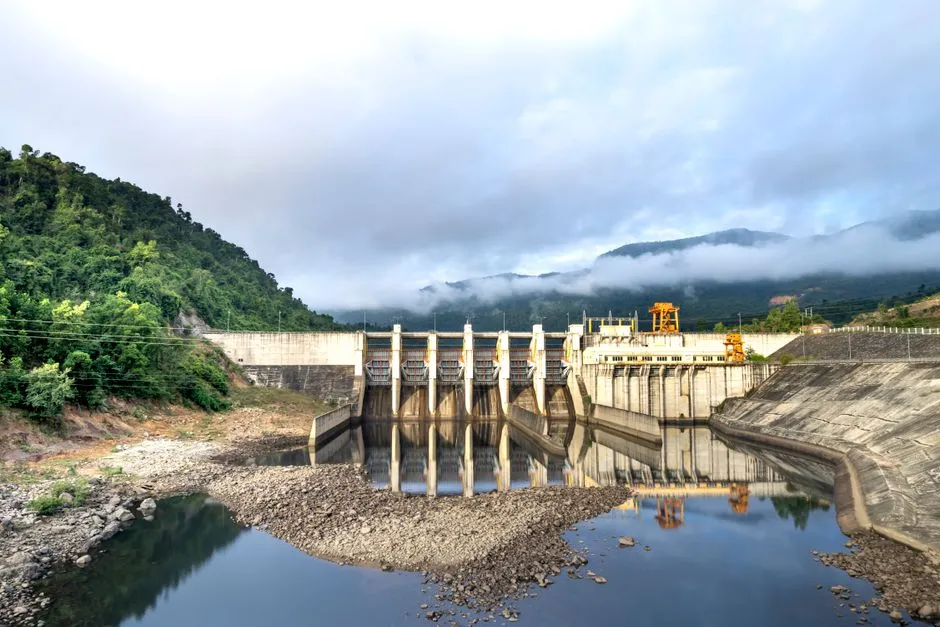
The most notable development in the latest report is the energy mix. Hydropower has officially taken the lead, overtaking natural gas as the primary fuel source powering the Bitcoin network. This shift is not accidental. Mining operators are highly sensitive to electricity costs, and hydroelectric power consistently offers one of the most stable and competitive rates available. More importantly, it aligns with a broader industry push toward sustainability and regulatory compliance.
Why Hydropower Is Leading the Charge
Hydropower is uniquely suited to support energy-intensive operations like crypto mining. Many hydroelectric facilities experience periods of stranded energy, where water levels are high but grid demand is low. Instead of wasting that potential, mining farms can plug into the grid and absorb the excess capacity. This creates a symbiotic relationship: miners get cheap, reliable power, and grid operators get a flexible load that helps stabilize renewable energy integration. Regions in North America, Northern Europe, and parts of South America have become hotspots for this model, drawing mining companies away from fossil-fuel-dependent markets.
What the 59.4% Low-Carbon Figure Really Means
When the report states that low-carbon energy now accounts for 59.4% of Bitcoin’s power consumption, it encompasses hydropower, wind, solar, geothermal, and other renewable sources. Crossing the halfway mark is a meaningful milestone. It signals that the industry’s environmental footprint is actively decoupling from traditional fossil fuel dependency. While 190 TWh is still a substantial amount of energy, the fact that the majority of it is now coming from sources that do not emit greenhouse gases during operation fundamentally changes the conversation around Bitcoin’s long-term sustainability.
Implications for the Energy Grid and Regulatory Landscape
As mining operations grow, so does their influence on local and national energy markets. Grid operators are beginning to view large-scale mining facilities not as a burden, but as a dispatchable load that can be ramped up or down based on real-time supply conditions. This flexibility is invaluable for integrating intermittent renewables like wind and solar. When the sun isn’t shining or the wind isn’t blowing, miners can throttle back. When there is a surplus of clean energy, they can scale up operations to maximize efficiency.
Regulators are taking notice. Policymakers in jurisdictions with strong environmental standards are increasingly favoring mining projects that demonstrate verifiable renewable energy procurement. This has accelerated the adoption of power purchase agreements (PPAs) directly with clean energy developers. Rather than relying on legacy fossil fuel infrastructure, mining companies are financing new solar farms and wind projects, effectively acting as catalysts for broader energy transition investments.
Looking Ahead: Sustainability as a Competitive Edge
The data from late 2025 makes it clear that energy strategy is no longer just a back-office concern for mining operations; it is a core competitive advantage. Facilities that can secure long-term contracts for low-carbon electricity will enjoy lower operating costs, better regulatory standing, and stronger relationships with institutional partners. As hardware efficiency continues to improve and second-life data centers repurpose existing infrastructure, the industry is poised to further optimize its energy profile.
While debates about cryptocurrency’s environmental impact will undoubtedly continue, the trajectory is unmistakable. The network is growing, but it is also greening. With hydropower leading the charge and low-carbon sources now powering more than half of all mining activity, the industry is demonstrating that high-performance computing and sustainable energy practices can operate in tandem. The next chapter of Bitcoin mining will likely be defined not by how much power is consumed, but by how intelligently and cleanly that power is sourced.