In a move that signals a tightening grip on the cryptocurrency landscape, Hawaii is set to become the fourth U.S. state to implement a complete ban on cryptocurrency ATMs and kiosks. Starting October 1st, these physical access points for digital currency will be prohibited across the Aloha State. This decision places Hawaii alongside Minnesota, Tennessee, and Indiana, which have already taken similar legislative steps to curb the growing wave of crypto-related fraud.
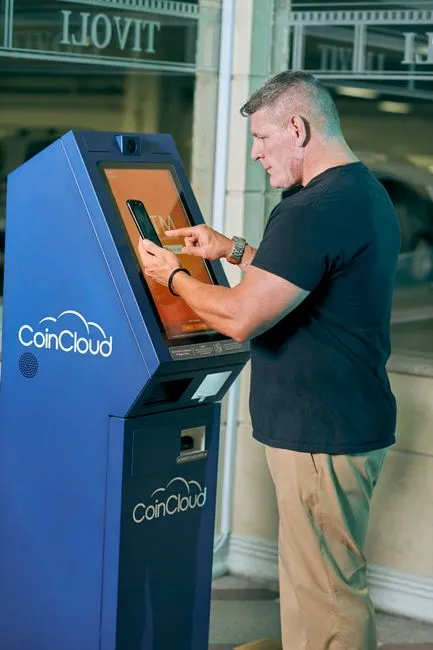
For the average person walking through a shopping mall or convenience store, a crypto ATM looks like a futuristic bridge between traditional cash and the digital asset world. These machines allow users to buy or sell Bitcoin and other cryptocurrencies with relative ease, often without the need for a bank account or lengthy verification process. However, it is precisely this ease of access and relative anonymity that has made these kiosks a prime target for scammers, prompting state regulators to step in with decisive action.
The Scam Epidemic Behind the Ban
The rationale for the ban is not rooted in a philosophical opposition to blockchain technology, but rather in the stark reality of consumer protection. Law enforcement agencies and financial regulators have observed a worrying trend: crypto ATMs have become the payment method of choice for a wide array of fraudulent schemes. From government impersonation scams to fake tech support calls, criminals are increasingly instructing victims to withdraw cash from their bank accounts and deposit it into these kiosks, believing they are “securing” their funds or paying a fine.
Unlike credit card transactions, which often have robust fraud protection and chargeback mechanisms, crypto payments are irreversible. Once cash is converted to crypto and sent to a scammer’s wallet, the funds are virtually gone. This lack of recourse has made elderly and less tech-savvy individuals particularly vulnerable, resulting in devastating financial losses that are difficult to trace and nearly impossible to recover.
A Growing Legislative Trend
Hawaii’s decision is part of a broader movement across the United States to address the dark side of the crypto revolution. While states like New York have opted for strict licensing requirements—such as the BitLicense—others are choosing a more direct approach by banning physical kiosks altogether. The strategy is simple: remove the physical touchpoint that is most frequently exploited in scams.
The move also reflects a growing sentiment among lawmakers that the risks associated with unregulated crypto access points currently outweigh the benefits. While digital currency advocates argue that ATMs provide financial inclusion for the unbanked, regulators counter that the safety of consumers must take precedence when a technology is being systematically weaponized against the public.
What This Means for Crypto Users in Hawaii
For legitimate crypto enthusiasts in Hawaii, the ban will undoubtedly create friction. Residents will no longer have the convenience of converting cash to crypto at a local machine. Instead, they will need to rely on centralized exchanges, peer-to-peer platforms, or other digital on-ramps that come with more rigorous Know Your Customer (KYC) protocols. While this may be seen as an inconvenience, it also adds a layer of security that protects users from themselves and from malicious actors.
It is important to note that the ban specifically targets physical ATMs and kiosks. It does not prohibit the ownership of cryptocurrency, nor does it restrict trading on online platforms. Residents can still buy, sell, and hold digital assets, provided they do so through channels that are not classified as unhosted kiosks. This distinction is crucial for those who view the ban as a total prohibition on crypto activity; it is, in fact, a targeted strike against a specific vector of fraud.
The Industry Response
Unsurprisingly, the crypto ATM industry has pushed back against these bans, arguing that they are an overreaction that punishes legitimate businesses for the actions of bad actors. Industry groups have suggested that better surveillance, transaction limits, and customer education could mitigate the risks without resorting to a full ban. However, state legislators appear to be unmoved, prioritizing immediate consumer protection over the growth of a niche industry.
As October 1st approaches, operators of these machines in Hawaii will have to dismantle or relocate their hardware. For the rest of the country, Hawaii’s move serves as a bellwether. If the ban proves effective in reducing scam reports, it is plausible that other states will follow suit, potentially leading to a patchwork of regulations that could fundamentally alter how Americans access digital currency in the physical world.
Navigating the New Landscape
For those who rely on crypto ATMs for legitimate purposes, this shift may be the push needed to explore more secure alternatives. Centralized exchanges, while requiring more personal data, offer a safer environment for transactions and often provide customer support that can assist in the event of a dispute. Additionally, the rise of decentralized finance (DeFi) platforms and peer-to-peer trading networks offers alternative avenues for those who prioritize privacy over convenience.
Ultimately, the ban on crypto ATMs in Hawaii is a clear signal that the Wild West era of cryptocurrency is coming to an end. As regulatory frameworks solidify, the industry will have to adapt, focusing on compliance and consumer protection rather than rapid, unhindered expansion. While this may slow down adoption in the short term, it could very well be the necessary step to ensure the long-term legitimacy and stability of digital assets in the mainstream financial system.
As we watch Hawaii take this bold step, it becomes increasingly clear that the future of crypto is not just about technology, but about trust. And in the quest to build that trust, sometimes the hardest decisions—like pulling the plug on convenient but dangerous machines—are the ones that matter most.