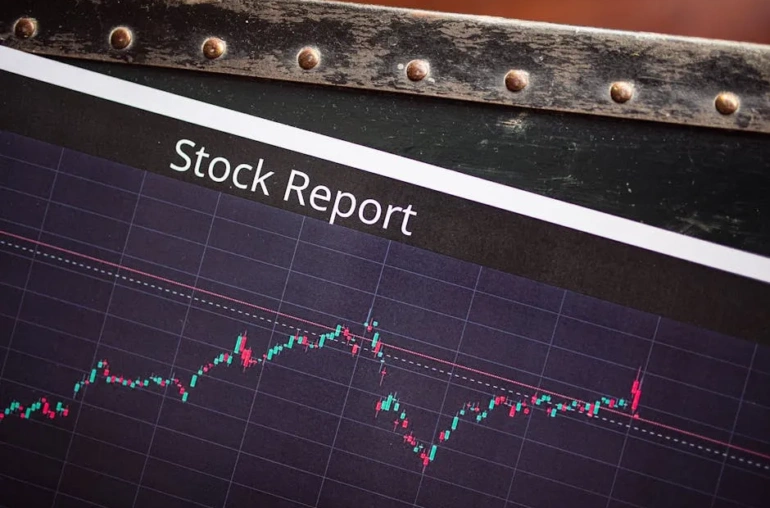
Staying Ahead in a Volatile Market
In the fast-paced world of digital assets, information moves at the speed of light. For investors, traders, and enthusiasts, knowing what is happening in the cryptocurrency market on any given day is not just a hobby; it is a necessity. Whether you are looking at the price of Bitcoin, analyzing the yield of a new DeFi protocol, or following the latest regulatory headlines from Washington, the ability to synthesize this information quickly is key.
This daily overview dives into the major sectors influencing the digital economy today. From the macro trends affecting the price of the world’s largest digital asset to the nuanced shifts happening in decentralized finance, we break down the critical updates you need to know to make informed decisions.
The Bitcoin Market Landscape
Bitcoin continues to serve as the bellwether for the entire cryptocurrency ecosystem. When Bitcoin moves, the rest of the market often follows in its wake. Investors are constantly watching key support and resistance levels, while institutional players assess whether current price actions indicate a trend reversal or a continuation of a longer-term cycle.
Market sentiment plays a massive role in Bitcoin’s performance. Positive news regarding institutional adoption, such as increased holdings from corporate treasuries or the approval of spot ETFs in various jurisdictions, can drive bullish sentiment. Conversely, macroeconomic factors like inflation data, interest rate decisions, and geopolitical tensions can create headwinds for the asset. Understanding these external pressures helps traders navigate the volatility that defines the space.
Price Action and Sentiment Analysis
Traders pay close attention to on-chain metrics, including network activity, hash rate, and transaction volumes. These indicators provide a deeper look into the health of the network beyond simple price charts. High transaction volumes alongside price stability often suggest strong network utility, while dropping activity might signal a cooling off period. Sentiment analysis also helps gauge whether the market is fearful or greedy, a crucial metric for timing entries and exits.
DeFi and Blockchain Evolution
Decentralized Finance (DeFi) remains a cornerstone of the blockchain innovation story. The focus today is often on sustainability and security. Protocols are constantly upgrading to reduce gas fees, improve scalability, and enhance user safety. Liquidity pools, lending markets, and yield farming strategies are evolving to offer better risk-adjusted returns for users.
Developers are also prioritizing interoperability. The ability for different blockchains to communicate effectively allows for a more seamless user experience. As layer-2 solutions mature, the potential for DeFi to scale without compromising security becomes more tangible. This evolution is critical for the mass adoption of decentralized applications, which rely on efficient infrastructure to function properly.
NFTs and Digital Ownership
Non-Fungible Tokens (NFTs) have moved past the initial hype phase of purely speculative art into utility-driven use cases. Today, the conversation focuses on digital identity, gaming assets, and real-world asset tokenization. Collectors and brands are exploring ways to use NFTs for loyalty programs, event tickets, and verified authenticity.
The market is looking for narratives that go beyond simple image flipping. Projects that offer actual functionality—such as access to communities, ownership stakes in projects, or in-game items that have persistent value—are generating more sustained interest. The future of NFTs lies in their integration into broader digital experiences rather than being isolated as standalone collectibles.
The Regulatory Environment
Regulation is perhaps the most critical factor for long-term growth in the crypto industry. Governments worldwide are grappling with how to classify and tax digital assets. In the United States, the Securities and Exchange Commission (SEC) continues to define the boundaries between tokens and securities. Internationally, frameworks like the MiCA regulation in the European Union provide a standardized approach to crypto assets.
Clear regulations are essential for institutional participation. Without legal clarity, banks and traditional financial institutions remain hesitant to fully embrace the technology. However, overly restrictive policies can stifle innovation. The current dialogue aims to find a balance that protects consumers and prevents money laundering while allowing legitimate businesses to operate.
Web3 Expansion
Web3 is the next iteration of the internet, built on decentralized protocols. This shift promises to give users control over their data and digital identity. We are seeing growth in decentralized social media, autonomous organizations (DAOs), and metaverse platforms.
While the technology is still maturing, the potential for a user-owned internet is driving significant development efforts. The goal is to create a digital environment where value can be captured by creators and participants rather than centralized intermediaries. This transition is happening gradually, but the momentum is undeniable.
Conclusion
Today’s crypto landscape is defined by a mix of technological advancement and regulatory scrutiny. From the dominance of Bitcoin to the utility of DeFi and the evolving nature of Web3, the industry is constantly shifting. Keeping an eye on these trends ensures that you remain prepared for whatever the market brings next. Whether you are an active trader or a long-term holder, understanding the narrative behind the headlines is the first step toward success in this dynamic environment.