What Happened in Crypto Today?
Crypto markets can change quickly, with prices often reacting to a combination of macroeconomic news, investor sentiment, technological developments, and regulatory announcements. For anyone trying to keep up, the daily flow of information can feel overwhelming. Bitcoin may be responding to movements in traditional markets, decentralized finance projects may be launching new products, and regulators may be shaping the industry’s next phase—all within the same day.
This daily crypto overview brings the most important areas into focus, including Bitcoin price trends, blockchain activity, DeFi, Web3, market behavior, and regulation. Rather than looking at a single headline in isolation, it is useful to understand how these developments connect and why they may matter to investors, businesses, and everyday users.
Bitcoin Remains the Market’s Main Reference Point
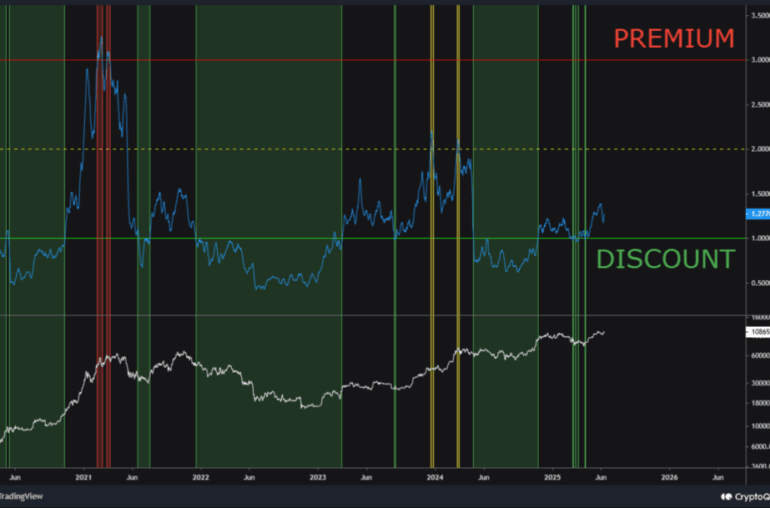
Bitcoin continues to act as the primary indicator of broader crypto market sentiment. When Bitcoin moves sharply, many other digital assets tend to follow, particularly large-cap cryptocurrencies and projects with strong trading activity. Traders often monitor Bitcoin’s price alongside trading volume, market liquidity, and changes in derivatives markets to determine whether a move appears temporary or part of a larger trend.
Several factors can influence Bitcoin throughout the day. Interest-rate expectations, inflation data, currency movements, institutional demand, and developments in exchange-traded investment products can all affect buying and selling pressure. In addition, major transfers between wallets and exchanges may attract attention because they can indicate that large holders are preparing to trade.
However, short-term price movements do not always reflect a fundamental change in Bitcoin’s long-term outlook. Market participants should distinguish between temporary volatility and broader shifts in adoption, network activity, and investor confidence.
Blockchain Activity Offers a Deeper Look
Price charts tell only part of the story. Blockchain data can provide additional insight into what is happening beneath the surface. Analysts may examine transaction volume, active addresses, network fees, exchange balances, and the movement of digital assets between different types of wallets.
Increased blockchain activity can signal growing demand, although the reason behind that activity is important. A rise in transactions may result from genuine user adoption, market speculation, a popular application, or temporary network congestion. Similarly, lower activity does not necessarily mean that interest in a blockchain has disappeared; users may simply be moving to another network or using scaling solutions designed to reduce costs.
DeFi and Web3 Continue to Expand the Conversation
Decentralized finance remains one of the industry’s most closely watched areas. DeFi applications allow users to lend, borrow, trade, provide liquidity, and access other financial services through blockchain-based protocols. The sector’s growth is closely tied to improvements in security, user experience, transaction costs, and the ability to manage risk.
At the same time, Web3 development continues across gaming, digital identity, creator platforms, decentralized applications, and tokenized assets. While some projects focus on attracting mainstream users, others are working on infrastructure that may support future applications. The most meaningful developments are often not the loudest announcements but the upgrades that improve scalability, reliability, interoperability, and ease of use.
Why Security Still Matters
Security remains a central concern across both DeFi and Web3. Smart-contract vulnerabilities, phishing attempts, compromised wallets, and fraudulent projects can cause significant losses. Users should research protocols carefully, verify official communication channels, avoid sharing private keys, and be skeptical of promises involving guaranteed returns.
Projects that prioritize audits, transparent governance, responsible disclosure, and clear risk communication are generally better positioned to earn long-term trust. Even so, no protocol is completely free from risk, and users should never commit more funds than they can afford to lose.
Regulation Could Shape the Next Market Cycle
Regulatory developments remain another major source of market movement. Governments and financial authorities continue to examine how cryptocurrencies, stablecoins, exchanges, custody providers, and decentralized platforms should be treated under existing or new rules.
Clear regulation could provide greater certainty for businesses and institutional investors, potentially supporting wider adoption. At the same time, stricter requirements may increase compliance costs or limit access to certain products and services. The impact often depends on the details of each policy, including how it defines digital assets and which organizations are responsible for oversight.
For investors, regulatory news can create rapid market reactions, but the long-term effects may take months or years to become clear. Headlines should therefore be read carefully, with attention paid to whether an announcement is a proposal, a final rule, an enforcement action, or simply a public statement.
How to Make Sense of Daily Crypto News
- Look beyond the headline: Read the full announcement and identify what has actually changed.
- Check market context: Compare a token’s movement with Bitcoin, major altcoins, and traditional financial markets.
- Consider liquidity: Smaller assets can experience extreme price swings on relatively limited trading volume.
- Separate facts from predictions: News reports may include opinions that are not supported by confirmed data.
- Manage risk carefully: Volatility and the possibility of permanent loss are part of the crypto market.
The Bigger Picture
The most important crypto developments are not always the events that generate the most attention. A gradual improvement in blockchain infrastructure, a change in user behavior, stronger security practices, or clearer regulation may have more lasting consequences than a single day of price volatility.
Following Bitcoin, blockchain activity, DeFi, Web3, and regulation together provides a more complete view of the market. Crypto remains a fast-moving industry, but informed decision-making depends on patience, careful research, and an understanding of the forces behind each trend. By looking beyond daily noise and focusing on the broader direction of the industry, readers can better evaluate what matters today—and what may shape the future of digital assets.
Related read: U.S. Treasury Targets MEXC Over Alleged $16 Billion in Illicit Crypto Flows