Welcome to today’s comprehensive overview of the cryptocurrency landscape. Navigating the digital asset space can be challenging due to its rapid pace, yet staying informed is crucial for both investors and enthusiasts. This digest breaks down the primary drivers shaping the market, from Bitcoin’s price action to the evolving regulatory environment. Whether you are looking to trade, build, or simply understand the news, this guide covers the essential themes impacting Bitcoin, blockchain technology, DeFi, NFTs, Web3, and regulation.
Bitcoin and Broader Market Sentiment
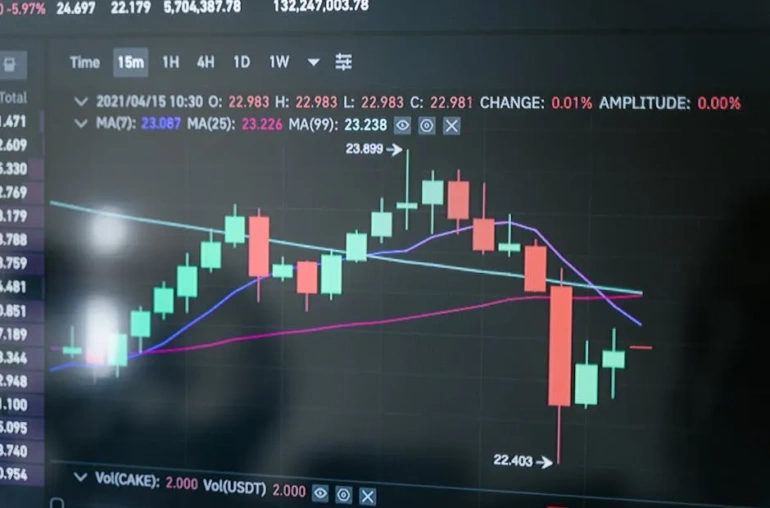
Bitcoin often acts as the bellwether for the entire cryptocurrency market. Today, attention remains focused on how the leading asset reacts to macroeconomic indicators and institutional flows. The price action of the world’s largest cryptocurrency is heavily influenced by liquidity conditions and broader financial news. When Bitcoin stabilizes, altcoins often follow suit, creating a ripple effect that can signal bullish or bearish trends across the sector. Investors are constantly monitoring on-chain metrics, such as hash rate strength and exchange outflows, to gauge the health of the network. Understanding these dynamics is vital for making informed decisions regarding portfolio allocation.
Institutional Adoption and ETF Flows
A significant factor in recent market discussions has been the continued interest from institutional players. The approval and trading of spot ETFs have opened new avenues for traditional finance to enter the crypto space. Monitoring daily trading volumes for these funds provides insights into the appetite for digital assets among conservative investors. As more corporations and funds integrate Bitcoin into their treasury strategies, the asset class is maturing, which reduces volatility over the long term. However, short-term price swings can still be driven by regulatory headlines or macroeconomic shifts like interest rate adjustments.
Decentralized Finance and Infrastructure
DeFi continues to evolve, moving beyond simple lending and borrowing. Today, the focus in the DeFi sector often shifts toward security upgrades and cross-chain interoperability. As protocols become more complex, the risk of smart contract vulnerabilities increases. Consequently, community audits and transparent governance models are becoming standard expectations. Yield farming strategies are also adapting, with projects seeking to offer sustainable returns that are not solely dependent on speculative token emissions. Users are becoming more cautious, prioritizing the safety of their principal over high-yield promises.
Lending Protocols and Real-World Assets
One of the most interesting developments within DeFi is the integration of Real-World Assets (RWA). Tokenized bonds and securities are bringing traditional finance structures onto the blockchain. This bridge between DeFi and traditional finance aims to improve liquidity and accessibility for global investors. Lending protocols are also refining their collateral requirements to better manage risk. This evolution indicates that the sector is looking for long-term viability rather than just short-term speculation.
Web3, NFTs, and Digital Ownership
The narrative around NFTs has shifted significantly from digital art to utility. While the initial hype cycle may have peaked, projects with genuine use cases are finding a sustainable footing. Today, discussions often revolve around gaming, membership communities, and identity verification. Web3 development is increasingly focused on user experience, aiming to make blockchain interactions seamless for non-technical users. Gamified elements are being introduced to reward active participation within ecosystems, which helps drive engagement and retention.
Utility and Interoperability
Interoperability remains a key challenge and opportunity for the Web3 ecosystem. The ability for assets to move freely between different blockchains without losing value or utility is essential for mass adoption. Projects that solve this problem often attract more attention and capital. Furthermore, digital ownership is expanding beyond static images. Dynamic NFTs that change based on real-world data or user interaction are gaining traction, offering new models for creators and collectors.
Regulatory Landscape and Global Policy
Regulation remains one of the most critical topics for the industry. Governments worldwide are still determining how to classify and tax digital assets. Clarity is essential for businesses to operate without fear of sudden compliance issues. Today, the conversation often centers on stablecoin regulations and anti-money laundering (AML) standards. Stricter regulations can increase trust among institutional participants, while overly aggressive policies can stifle innovation. The goal for the industry is to find a balance where security is maintained without hampering growth.
The Path Forward
As we wrap up this daily digest, it is clear that the crypto market is a complex ecosystem of technology, finance, and policy. Staying updated is not just about tracking prices; it is about understanding the narrative that drives those prices. From the resilience of Bitcoin to the innovation in DeFi and the utility in NFTs, each sector contributes to a broader vision of a decentralized future. For anyone looking to participate, the advice remains consistent: do your own research, understand the risks, and maintain a long-term perspective. The landscape changes daily, but the fundamentals of trust and transparency remain constant.