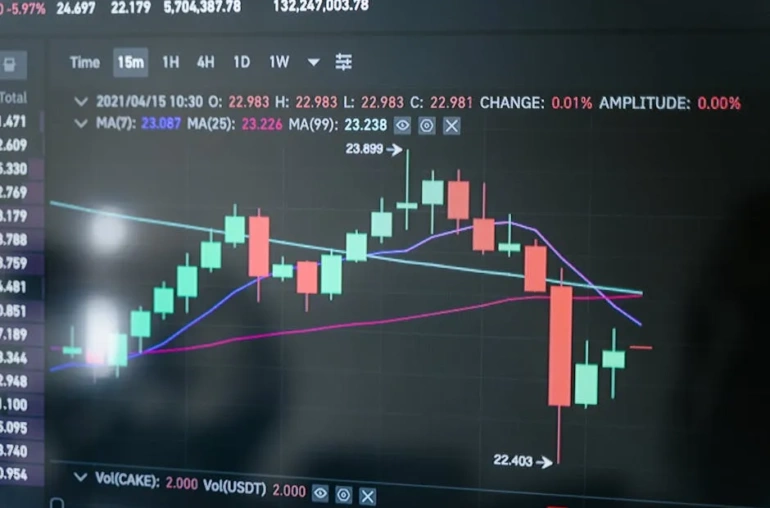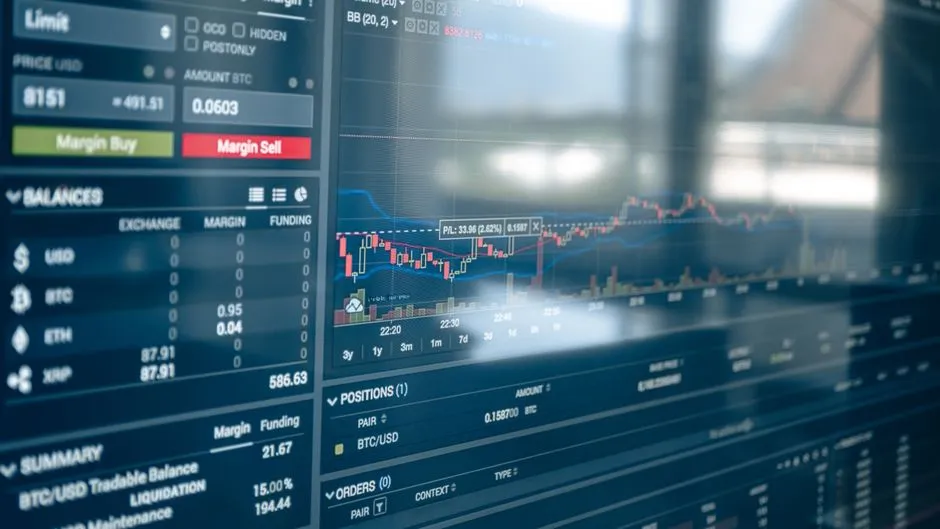
CoinMarketCap has moved to strengthen its data platform by acquiring CoinGlass, a well-known provider of crypto derivatives analytics. The move is a clear signal that the company wants to go beyond core market data such as price, market capitalization, and trading volume, and build a more complete picture of how digital assets are traded across the broader ecosystem.
For many investors, price action is only one side of the story. Derivatives markets, including futures, perpetual swaps, options, and related instruments, often reveal important details about market sentiment, leverage, positioning, and risk. By bringing CoinGlass into its ecosystem, CoinMarketCap is positioning itself to offer a more layered view of crypto markets, one that combines spot market visibility with deeper derivatives intelligence.
Why derivatives data matters in crypto markets
Crypto derivatives have become a major part of how participants express risk, hedge exposure, and speculate on price direction. Unlike spot markets, where traders simply buy or sell assets, derivatives allow participants to take leveraged positions, lock in future prices, and gain exposure without necessarily owning the underlying asset. That makes them powerful, but also more complex to monitor.
Derivatives data can help traders and analysts understand several key dynamics, including:
- Open interest, which shows the total number of outstanding derivative contracts and can indicate whether capital is flowing into or out of a market.
- Funding rates, which are especially important in perpetual swap markets and can reveal whether traders are paying to maintain long or short positions.
- Liquidation activity, which can signal forced exits and often points to short-term volatility or trend exhaustion.
- Long/short positioning, which helps traders gauge whether market participants are broadly bullish or bearish.
When these metrics are viewed alongside spot price data, they can provide a more complete market narrative. Price may show where the market is, but derivatives data can offer clues about how crowded, leveraged, or directional the market has become.
CoinGlass keeps its brand, team, and product structure
One of the most important details from the acquisition is that CoinGlass will retain its brand and team. The company’s website, app, free tools, API, and pricing structure are also expected to remain unchanged for now. That suggests the acquisition is less about immediate restructuring and more about strategic consolidation.
This approach is common in data-driven businesses. Acquirers often preserve an established product and user base while integrating it into a larger platform over time. In this case, CoinGlass has built a specific reputation around derivatives analytics, and keeping its identity intact helps maintain trust with existing users, developers, and partners. At the same time, it gives CoinMarketCap a faster path into a product space where it may not have had the same depth of functionality.
For CoinGlass users, the immediate experience is likely to stay familiar. That can reduce uncertainty, especially in a market where data providers are expected to be reliable and consistent. For CoinMarketCap, the acquisition gives it a stronger foundation for expanding its analytics offerings without having to build everything from scratch.
What this could mean for CoinMarketCap’s platform
CoinMarketCap has long been one of the first places investors go to check prices, top movers, market rankings, and basic market statistics. Its strength has been simplicity and broad accessibility. The acquisition of CoinGlass suggests a natural next step: turning that broad market overview into a more advanced analytics environment.
Over time, users may expect deeper integration between spot and derivatives data. That could mean more advanced dashboards, better portfolio tools, improved screening capabilities, or enhanced API access for developers and institutional users. Even if those features are not immediately visible, the acquisition gives CoinMarketCap the option to develop them in a more connected way.
This is also important in a market where data fragmentation is a persistent challenge. Prices, order books, futures positions, funding rates, liquidations, and exchange-specific metrics often live in different places. A platform that can unify more of that information becomes more valuable to traders, analysts, funds, and product teams that rely on real-time market intelligence.
A strategic move, not just a product add-on
The acquisition should not be viewed only as another tool being added to CoinMarketCap’s toolkit. It reflects a broader shift in how crypto data platforms are competing. The companies that will stand out in the coming cycles are likely to be the ones that offer the richest, most connected, and most actionable market intelligence. Price data alone is no longer enough for serious participants in increasingly sophisticated markets.
By acquiring CoinGlass, CoinMarketCap is investing in the kind of analytical depth that can support more informed decision-making. It is also signaling that it sees derivatives as a core part of the crypto data stack, not a niche add-on. For a market that continues to mature, that is a significant step.
In the end, the acquisition strengthens CoinMarketCap’s position in one of the most important areas of crypto analytics. If the integration is handled well, it could turn an already widely used platform into an even more comprehensive resource for traders, developers, and institutions looking to understand not just what crypto assets are worth, but how the market is positioned around them.
Related read: HIFI Raises $37M Series A to Expand Stablecoin Payments and Tokenized Markets