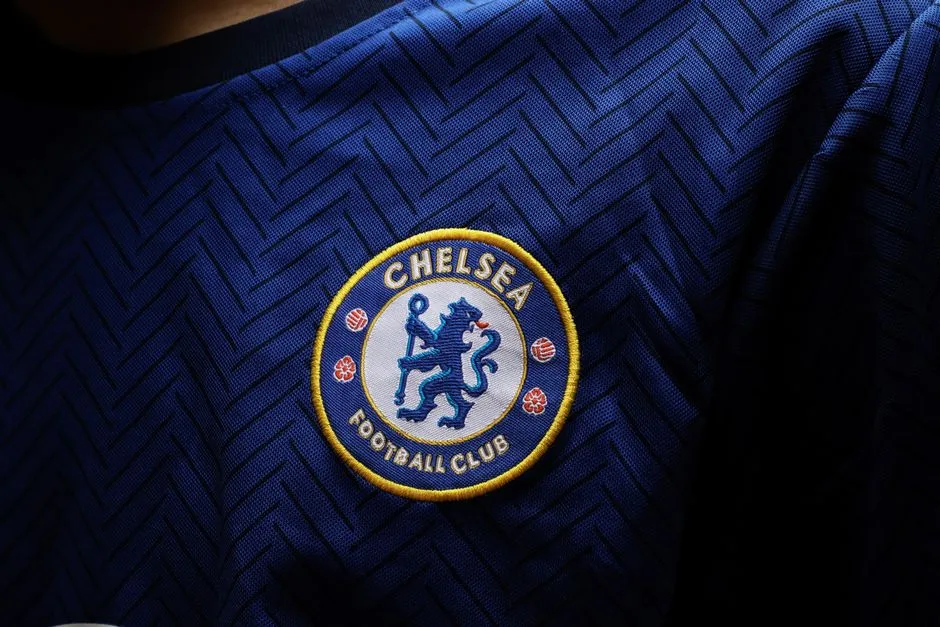
When a major football club puts a brand on its shirt, the decision is rarely just about money. It is also about visibility, credibility, and the kind of story the club wants to tell. For Chelsea FC, the upcoming season will carry a particularly modern message: the name of the USDC stablecoin will appear on the front of the club’s jerseys, according to Circle.
That detail matters. In football, shirt sponsorship is one of the most visible forms of commercial exposure a club can buy. A logo on the chest is seen by millions of viewers, from broadcast audiences to fans in the stands and supporters scrolling through social media. When that logo belongs to a stablecoin issuer, it puts digital currency infrastructure into a very traditional and global setting.
Why a stablecoin on a Premier League shirt?
At first glance, the pairing may seem surprising. Football is a sport built on heritage, local identity, and emotional loyalty. Stablecoins, by contrast, are often discussed in terms of blockchain networks, token economics, and compliance frameworks. Yet the two worlds are not as far apart as they might appear.
Both football and stablecoin payments depend heavily on trust. Fans need to trust that their club will operate responsibly. Businesses need to trust that a payment method will hold value and settle reliably. In that sense, a stablecoin is not necessarily a speculative asset. It is positioned more like a digital form of money designed to reduce volatility and offer predictable value, at least relative to volatile cryptocurrencies.
For Circle, the partnership is a visibility opportunity. USDC is one of the more widely recognized stablecoins, and placing its name on a Chelsea jersey gives the brand a high-profile global platform. For Chelsea, it is a commercial deal that aligns with the club’s broader effort to remain relevant in a rapidly changing digital economy.
What Circle and USDC bring to the table
Circle’s USDC is a token issued on multiple blockchain networks and has become one of the major stablecoins used in digital asset markets. Unlike coins such as Bitcoin, whose price can move sharply within a day, stablecoins are designed to maintain a steady value, typically pegged to a fiat currency such as the US dollar. That makes them useful for payments, treasury management, and on-chain finance.
The sponsorship does not necessarily mean that Chelsea will begin paying players or vendors in USDC. It is, at minimum, a brand partnership. But the symbolism is important. It suggests that stablecoin infrastructure is becoming normal enough to sit alongside established global brands in some of sport’s most visible commercial spaces.
Why the regulatory backdrop matters
The timing of the deal is notable because football clubs in the UK have been urged to proceed carefully with crypto-related partnerships. The Financial Conduct Authority’s focus on consumer protection and market integrity has made it clear that clubs should not assume novelty is enough. Any arrangement involving digital assets, tokenized products, or speculative promotions can raise regulatory questions.
That warning does not make a stablecoin sponsorship unusual, but it does add context. Clubs are now more likely to be judged not only on the size of a deal, but on how well they understand the product they are promoting. A stablecoin is generally seen as less risky than a highly speculative token, but “less risky” is not the same as “risk-free.” Compliance, transparency, and responsible marketing still matter.
In other words, the Chelsea deal is not just a branding exercise. It is also a signal that the club is operating in a space where regulators are paying attention.
What the deal means for fans and sponsors
For fans, the most immediate effect is visual. The USDC name on the front of the jersey will become part of the club’s identity for the season. Some supporters will see it as a forward-looking move. Others may question whether a financial product belongs on a shirt that has historically carried the names of airlines, banks, technology firms, and other established brands.
For sponsors, the message is clear: football remains one of the most effective platforms for global brand exposure. A Premier League club offers access to a broad, international audience, and a crypto or fintech company can use that exposure to build recognition in a market where trust is still developing.
This also highlights a broader shift in how sports brands are evaluated. Sponsors are no longer just looking for reach. They are looking for alignment with innovation, digital audiences, and emerging financial ecosystems. A stablecoin partnership can help a company appear modern and globally connected, especially among younger fans who are more comfortable with digital assets than previous generations.
Is this the start of a wider trend?
It would be premature to call this a definitive turning point, but it is a meaningful data point. Crypto-related deals in football have sometimes been short-lived or poorly received. A stablecoin sponsorship, however, may feel more durable because it is tied to payments infrastructure rather than pure speculation.
If other clubs follow, we could see more stablecoin and fintech brands appear on kit, in stadium naming rights, or in player endorsement deals. That would mark a broader acceptance of digital money in mainstream sports marketing. It would also mean that regulators, clubs, and sponsors would need to be even more careful about how these products are presented to the public.
For now, Chelsea’s USDC jersey deal is a reminder that the boundaries between sport, finance, and technology are continuing to blur. The pitch is still the same, but the commercial landscape around it is evolving quickly. A stablecoin on a football shirt may look unusual, but in a world where payments are increasingly digital, it may not be as strange as it first appears.
Related read: Flowra Launches Open Orderflow Auction for Solana Validators: The Case for More Transparent On-Chain Trading