Major French Bank BNP Paribas Expands Crypto Product Line for Retail Investors
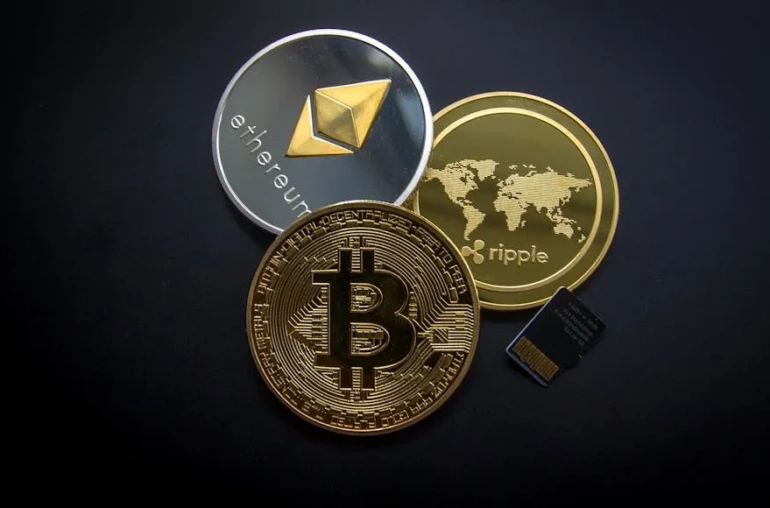
The financial landscape in Europe is undergoing a significant transformation. As digital assets mature, traditional financial institutions are increasingly looking to integrate them into their portfolios, bridging the gap between traditional banking and the decentralized economy. A notable development in this space occurred recently when BNP Paribas, one of the largest banks in France, announced the addition of six new Exchange Traded Notes (ETNs) focused on Bitcoin and Ether for its retail clients.
What This Means for French Retail Investors
For the average retail investor, this announcement marks a pivotal moment. Previously, accessing Bitcoin or Ether often required setting up a digital wallet and navigating the complexities of decentralized exchanges. However, ETNs offer a regulated, efficient way to gain exposure to these assets through a standard brokerage account.
By launching these specific ETNs, BNP Paribas is effectively allowing French retail clients to gain exposure to the price movements of major cryptocurrencies without holding the underlying assets directly. This approach mitigates certain risks, such as self-custody security concerns, and leverages the bank’s existing regulatory compliance frameworks. The inclusion of six different ETNs suggests a robust offering that might cover different leverage levels, terms, or specific market strategies, giving investors more flexibility in how they allocate capital to the crypto market.
The European Trend Toward Crypto Integration
This move by BNP Paribas is not happening in isolation. It reflects a broader trend across Europe where crypto ETN adoption is spreading rapidly. Financial institutions in the continent are recognizing the demand from younger demographics and tech-savvy investors who want to diversify into digital assets.
Furthermore, the regulatory environment is becoming more favorable. While regulations in the EU are evolving, the recent decision by the United Kingdom to reopen retail access to crypto markets after lifting its ban serves as a strong parallel indicator. This shift suggests that regulatory bodies are moving away from outright bans toward frameworks that allow for innovation and consumer protection simultaneously. When banks like BNP Paribas step in to offer these products, it validates the security and legitimacy of these instruments for the average saver.
Why ETNs Over Direct Crypto Holdings?
For those unfamiliar with the terminology, ETNs are unsecured debt obligations of an issuer that track the performance of an underlying asset, such as a cryptocurrency index or a specific coin like Bitcoin. Unlike direct holdings which require private key management, ETNs are held within the traditional financial system.
- Regulatory Compliance: Investors remain within the safety net of traditional banking regulations.
- Tax Efficiency: In many jurisdictions, holding crypto within an ETN structure can simplify tax reporting for investors.
- Accessibility: It eliminates the need for complex onboarding processes associated with crypto exchanges.
Implications for the Financial Sector
The expansion of these offerings highlights a shift in how banks view digital assets. Historically, institutions were wary of volatility and regulatory uncertainty. However, as the market stabilizes and institutional-grade infrastructure improves, banks are finding ways to offer these products safely. This evolution brings more transparency and liquidity to the crypto markets.
As French investors gain access to these products via BNP Paribas, it sets a precedent for other European banks. Competition among financial institutions will likely drive further innovation in product offerings, potentially leading to better pricing and more user-friendly platforms for retail clients.
Conclusion: A Shifting Paradigm
The launch of Bitcoin and Ether ETNs by BNP Paribas is a clear signal that the era of restricting crypto investments is ending for retail clients in Europe. As traditional finance embraces digital assets, the barriers to entry are lowering. For investors in France and beyond, this offers a safer, more regulated pathway to participate in the growth of the cryptocurrency market. With regulatory clarity improving and major banks stepping forward, the future of crypto investment looks increasingly integrated into the mainstream financial world.