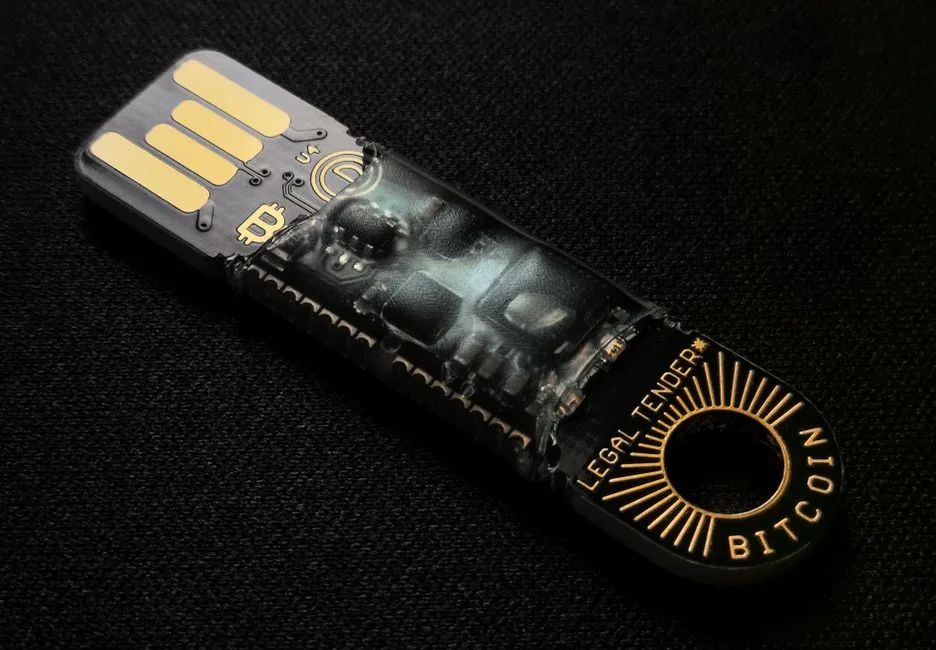
As Bitcoin ownership becomes more institutional, the challenge is no longer simply how to buy and hold digital assets. The bigger question is how organizations can protect private keys while still allowing authorized transactions to move efficiently. Blockstream is addressing that challenge with a new custody system developed in collaboration with Thales, placing dedicated hardware and offline transaction signing at the center of its security model.
The initiative reflects a broader argument made by Blockstream CEO Adam Back: cryptocurrency security does not always need to become more complicated to become more effective. In many cases, reducing the number of connected systems and limiting the paths through which an attacker can reach sensitive signing infrastructure may offer a stronger and more understandable defense.
Why Bitcoin Custody Remains a Major Challenge
Bitcoin transactions are secured by private cryptographic keys. Whoever controls the necessary keys can authorize the movement of funds, which makes key management one of the most important responsibilities for any individual, company, fund, or financial institution holding digital assets.
For institutions, custody involves more than storing a password or placing funds in a software wallet. Organizations may need multiple approval layers, clearly defined user permissions, audit records, recovery procedures, and protection against both external attacks and internal mistakes. These requirements can create complex systems with many connected components, each of which may introduce additional risks.
Internet-connected systems are particularly attractive targets for cybercriminals. Attackers may attempt to compromise employee accounts, exploit software vulnerabilities, intercept credentials, or manipulate transaction workflows. Even if a core private key is well protected, the surrounding systems can become a weak point.
How Dedicated Hardware Can Improve Security
Blockstream’s new custody system uses dedicated hardware for transaction signing. In practical terms, this means that the most sensitive cryptographic operations are handled by specialized equipment rather than by ordinary computers or broadly connected software environments.
A hardware-based approach can help isolate private keys from networks that are exposed to the internet. Instead of allowing a transaction to be approved entirely through an online interface, the system can require an authorized request to pass through controlled security procedures before signing takes place.
This type of separation is important because it narrows the attack surface. If an online application or workstation is compromised, an attacker may still be unable to access the hardware responsible for final authorization. The system can also support strict policies around who may approve transactions, how many approvals are required, and which destinations are permitted.
The Role of Offline Transaction Signing
Offline signing is another central part of the security philosophy behind the system. The basic idea is to keep the signing environment disconnected from routine network activity, allowing transactions to be prepared in one setting and approved in another.
By reducing direct exposure to the internet, offline signing can make remote attacks more difficult. It also encourages organizations to create deliberate transaction workflows rather than relying on instant approvals from a single online account. That additional separation may be especially valuable for high-value Bitcoin holdings, where a single compromised credential could have serious financial consequences.
Offline security does not eliminate every risk. Organizations must still protect physical devices, manage backup procedures, train personnel, and verify transaction details carefully. Human error remains a concern, particularly if employees approve fraudulent or incorrectly prepared transactions. However, offline processes can limit the damage caused by many forms of remote compromise.
Adam Back’s Case for Simpler Security
Adam Back’s position emphasizes an important principle in cybersecurity: complexity can create vulnerabilities when it is not carefully controlled. A system with numerous integrations, permissions, automated processes, and network connections may offer convenience, but it can also be difficult to audit and maintain.
Simpler security does not mean basic or careless security. Instead, it means using clear boundaries, reducing unnecessary connectivity, and making critical actions easier to verify. For Bitcoin custody, that could involve keeping signing functions isolated, requiring multiple authorized participants, and separating transaction preparation from transaction approval.
This approach may also make security practices easier to explain to boards, compliance teams, auditors, and clients. When an organization can clearly demonstrate where keys are held, how transactions are approved, and which systems remain offline, it becomes easier to establish trust.
What the New System Could Mean for Institutions
The collaboration between Blockstream and Thales highlights the growing convergence of cryptocurrency infrastructure and established security hardware. Institutional users are increasingly looking for custody solutions that combine Bitcoin-native technology with the controls traditionally expected in financial services.
A successful custody platform must balance protection with usability. If security procedures are too difficult, employees may try to bypass them or make costly mistakes. If they are too convenient, they may leave critical assets exposed. Dedicated hardware and controlled offline signing aim to address both concerns by placing strong safeguards around the most important step: authorizing a transaction.
Ultimately, the value of this approach will depend on implementation, operational discipline, recovery planning, and the ability to scale across different institutional needs. Still, Blockstream’s system reinforces a straightforward lesson for the digital-asset industry: protecting Bitcoin may require fewer points of connection, not more.
As custody becomes increasingly important to the future of institutional Bitcoin adoption, security strategies built around isolation, dedicated hardware, and carefully designed approval processes could become a defining standard. The emphasis on simpler, offline protection offers a practical reminder that strong cybersecurity often begins by reducing opportunities for an attack to happen in the first place.
Related read: Kraken Parent Payward Gains Market Share Despite 66% Drop in Adjusted EBITDA