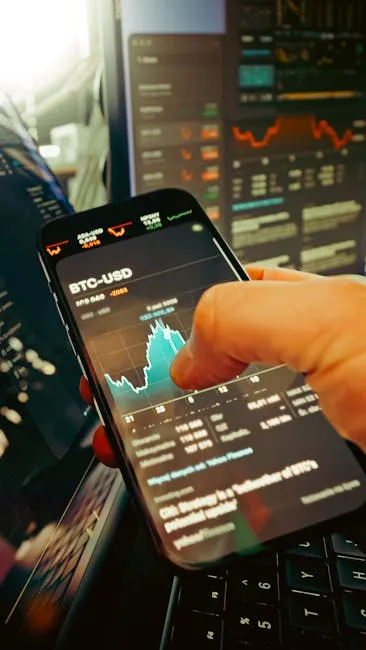
Bitcoin’s Sideways Grind Proves Costly for Traders
Bitcoin’s price action over the past 24 hours has served as a stark reminder of the market’s inherent risks, even during periods of relative calm. While the premier cryptocurrency has largely traded sideways, hovering around the $70,000 mark, this consolidation has been anything but peaceful for leveraged traders. Data reveals that this rangebound movement has sparked a wave of liquidations, wiping out over a quarter of a billion dollars from the market.
The Mechanics of a Market Squeeze
When Bitcoin’s price moves within a tight range after a significant rally, it creates a precarious environment. Traders on both sides of the market—those betting on a breakout (longs) and those anticipating a drop (shorts)—often employ leverage to amplify their potential gains. However, leverage is a double-edged sword. Even small, sudden price swings in either direction can trigger automatic liquidations, where exchanges forcibly close a trader’s position to prevent further losses.
This is precisely what unfolded. As BTC tested local support levels, brief dips liquidated over-leveraged long positions. Conversely, when the price bounced, it caught overconfident short sellers off guard. The result was a brutal market squeeze that punished excessive risk-taking on both sides, leading to a combined liquidation total exceeding $250 million in 24 hours.
Analysts Eye Key Support Levels
Market analysts are closely watching Bitcoin’s behavior around crucial support zones. The current consolidation around $70,000 is seen by many as a necessary pause, allowing the market to absorb its recent gains and build a foundation for its next major move. The predicted retest of local support is a typical technical phenomenon; a healthy market often dips to confirm a support level’s strength before continuing its trend.
For long-term investors, this volatility is part of the landscape. However, for active and leveraged traders, these events highlight the critical importance of risk management, including the use of stop-loss orders and avoiding excessive leverage, especially in a market known for its swift and unforgiving moves.
Looking Beyond the Immediate Turbulence
While the liquidation figures are headline-grabbing, they represent a fraction of the overall crypto market’s volume and are a routine occurrence in a maturing yet volatile asset class. The focus now shifts to whether Bitcoin can firmly hold above its key support levels. A successful defense could pave the way for another attempt at breaking through all-time high resistance. A failure, however, could see a deeper correction as weak hands are shaken out.
For now, the market remains in a state of tense equilibrium, reminding all participants that in the world of cryptocurrency trading, stability can sometimes be the most dangerous condition of all.