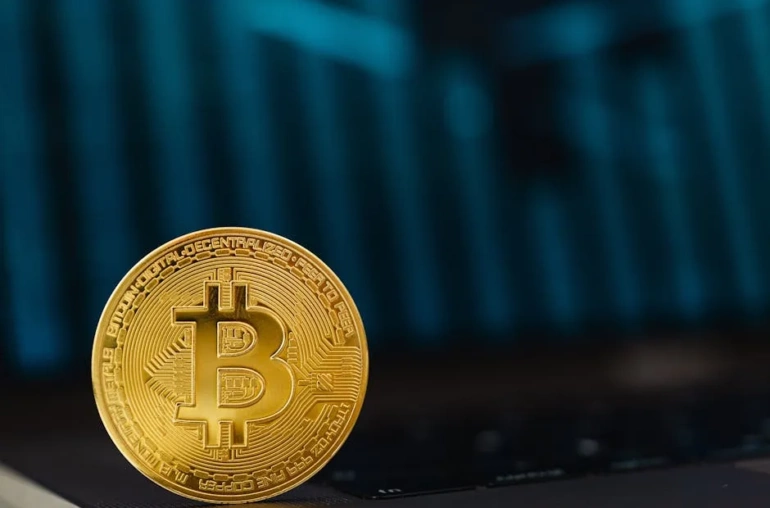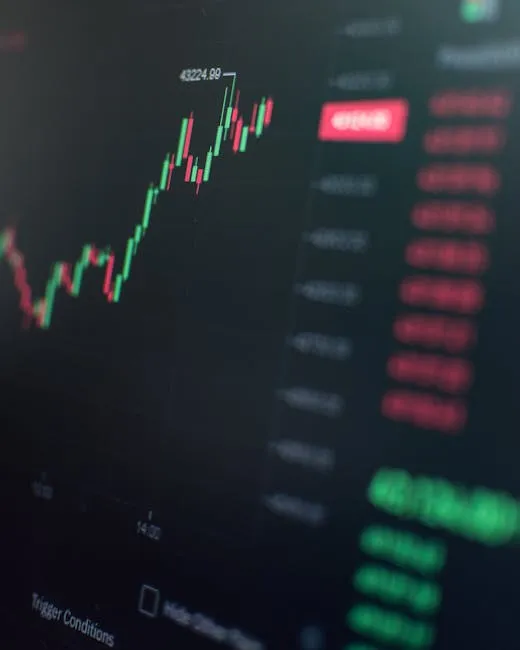
The cryptocurrency market has shown remarkable resilience in recent weeks, rallying to new local highs despite significant headwinds from the broader economy. Bitcoin recently climbed past the $73,000 mark, a move driven primarily by macroeconomic news rather than traditional market sentiment. The catalyst for this surge was a consumer price index (CPI) report from the United States that came in lower than expected. However, this positive news arrived alongside a disturbing trend: a 60-year record increase in gasoline prices. This juxtaposition highlights the complex relationship between inflation metrics, consumer spending power, and the performance of digital assets like Bitcoin.
The Catalyst: US CPI Data Beats Expectations
At the heart of the recent rally lies the US consumer price index (CPI). This report measures the average change over time in the prices paid by urban consumers for a market basket of consumer goods and services. When the CPI data came in cooler than anticipated, it signaled that inflation might be cooling down faster than the Federal Reserve had feared. For risk-on assets like Bitcoin, this is generally considered positive news.
- Lower Inflation Expectations: If inflation is cooling, the Federal Reserve is less likely to raise interest rates aggressively.
- Stronger Dollar Sentiment: While a strong dollar can sometimes pressure crypto, the anticipation of rate cuts or stability often boosts overall market liquidity.
- Risk Appetite: Investors feel safer moving capital into volatile assets when the immediate threat of recessionary policies diminishes.
This specific CPI report gave traders the confidence to push Bitcoin prices higher, as the fear of a harsh monetary tightening campaign eased. The market is forward-looking, and traders are often pricing in future interest rate decisions rather than current price data alone.
What the Numbers Mean for the Market
Understanding the CPI report requires looking at the broader context. A “cool” report suggests that core inflation is stabilizing. This is crucial for the crypto sector because the digital asset space has historically been viewed by some regulators and economists as a hedge against inflation. However, the mechanics of this relationship are nuanced. When CPI data surprises to the downside, it often leads to a strengthening of the dollar in the short term, but the market reaction can vary. In this instance, the relief of avoiding further rate hikes outweighed the initial dollar strength, leading to a net positive outcome for Bitcoin.
The Gas Price Headwind
Despite the good news from Washington, consumers are feeling the pinch on the road. Gasoline prices recently hit a 60-year record high. This is a significant economic drag on the average household, reducing disposable income and increasing the cost of living. In a traditional economy, such high energy costs might lead to a slowdown in consumer spending and a bearish outlook for stocks and commodities.
However, the crypto market has demonstrated a degree of decoupling from these specific traditional inflation metrics. While high gas prices hurt the purchasing power of consumers worldwide, the valuation of Bitcoin has not been directly correlated to the price of a gallon of gas. This separation is important. It suggests that Bitcoin’s price is becoming more dependent on macro-financial data—like CPI and bond yields—rather than direct correlation with the cost of energy or traditional inflation goods.
Bitcoin’s Resilience and Market Dynamics
Why did Bitcoin hold strong while gas prices skyrocketed? The answer lies in the nature of the asset class. Bitcoin is often categorized as a macro-based asset. Its price action is increasingly driven by institutional flows, regulatory clarity, and global monetary policy rather than the whims of daily consumer spending habits. The recent price action suggests that the market is prioritizing the long-term narrative of digital currency adoption over short-term economic pain points like fuel costs.
Furthermore, the narrative of “digital gold” continues to resonate. Investors are seeking stores of value during times of economic uncertainty. When CPI data supports the idea that money supply growth might stabilize, Bitcoin is seen as a superior alternative to fiat currency in the long run. The recent rally to $73,000 reinforces the idea that institutional demand is outpacing the volatility caused by traditional market news.
What This Means for Investors
For those watching the market, this divergence between CPI news and gas prices offers a valuable lesson in reading market sentiment. It indicates that the crypto market is becoming more mature in how it processes economic data. Investors should focus on the broader monetary policy environment rather than getting caught up in every commodity price spike. However, it is important to remain vigilant. High energy costs can eventually ripple through the economy, affecting liquidity. Yet, for now, the path of least resistance for Bitcoin remains tied to the success of the US economy in controlling inflation.
In conclusion, the recent surge in Bitcoin above $73,000 serves as a testament to the evolving maturity of the cryptocurrency market. It shows that digital assets are increasingly reacting to high-level economic indicators like the CPI report, rather than being solely dragged down by traditional inflation costs like gas prices. While the cost of living remains a challenge for many consumers, the financial sector continues to look toward Bitcoin as a stable, forward-looking asset class. As long as inflation expectations remain under control, the market sentiment is likely to remain optimistic, regardless of temporary spikes in commodity prices.