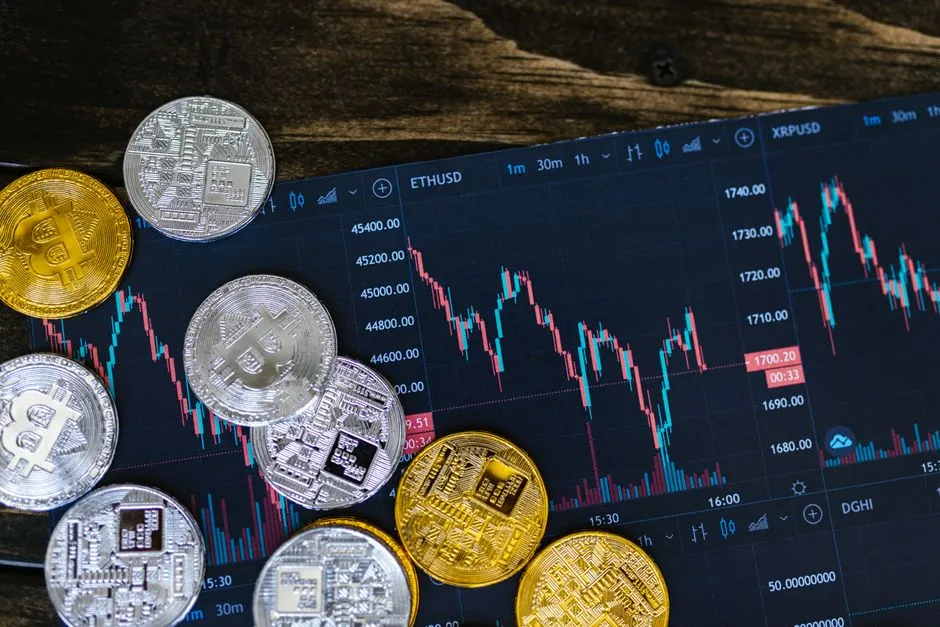
Bitcoin has once again captured the attention of traders and investors alike, breaking through the $65,000 mark in a swift move that has echoed across digital asset markets. The catalyst behind this latest rally isn’t just speculative enthusiasm or a viral social media trend. Instead, it stems from a fundamental shift in macroeconomic expectations, triggered by a surprisingly soft Producer Price Index (PPI) report from the United States. As inflation pressures show signs of easing, the broader financial landscape is adjusting, and Bitcoin is leading the charge.
What the June PPI Report Actually Means
To understand why this matters, it helps to break down what the Producer Price Index actually measures. Unlike the Consumer Price Index (CPI), which tracks what shoppers pay at the checkout counter, the PPI looks at inflation from the perspective of producers and manufacturers. It captures the changes in selling prices that domestic producers receive for their goods and services. When June’s PPI data came in lower than analysts had predicted, it signaled a meaningful cooling in wholesale inflation. For markets that have been bracing for persistent price pressures, this kind of data is a breath of fresh air. It suggests that the supply chain bottlenecks and cost pressures that have plagued businesses over the past few years are finally beginning to ease.
The Federal Reserve’s Dilemma and Shifting Rate Expectations
The Federal Reserve has spent the better part of the last few years navigating a delicate balancing act. Their primary mandate is to keep inflation in check while supporting steady economic growth. When inflation runs hot, the Fed typically responds by raising interest rates to cool down spending and borrowing. Conversely, when inflation data softens, the pressure to hike rates eases. The recent PPI numbers have effectively rattled the so-called “Fed hawks”—those policymakers who favor aggressive rate increases. With lower producer inflation in the mix, market participants are now pricing in a much higher probability that the central bank will hold rates steady, or even pivot toward cuts in the coming months. This shift in sentiment has immediately altered how traders position themselves across equities, bonds, and digital assets.
Why Bitcoin Responds to Macroeconomic Shifts
It might seem counterintuitive at first glance. Why would a decentralized digital currency react so sharply to traditional economic indicators? The answer lies in liquidity and risk sentiment. Bitcoin has increasingly matured into a macro asset. When interest rates are high, borrowing becomes expensive, and capital tends to flow into safer, yield-bearing instruments like Treasury bonds. When rates stabilize or decline, liquidity re-enters the system, and investors are more willing to allocate capital toward higher-growth, higher-volatility assets. Bitcoin, with its fixed supply and growing institutional adoption, sits squarely in that risk-on category. The drop in rate-hike expectations didn’t just calm nerves; it opened the door for renewed buying pressure across digital markets. Historically, periods of easing monetary policy have coincided with strong performance in digital assets, as cheaper money fuels speculative and growth-oriented investment flows.
Navigating the Path Forward
Of course, breaking past $65,000 doesn’t mean the road ahead is entirely smooth. Crypto markets are notoriously sensitive to shifting narratives, regulatory developments, and broader economic data releases. Traders will be watching closely for upcoming CPI reports, Federal Reserve meeting minutes, and employment figures to gauge the true trajectory of inflation and monetary policy. That said, the current alignment of cooling producer prices and stabilizing rate expectations has created a constructive environment for digital assets. Investors who have historically viewed Bitcoin solely through the lens of technology or decentralization are now recognizing its role as a barometer for global liquidity and monetary policy. Understanding this relationship is crucial for anyone looking to navigate the market with confidence.
Conclusion
The recent surge past $65,000 serves as a clear reminder that Bitcoin no longer operates in a vacuum. Its price action is deeply intertwined with traditional macroeconomic forces, central bank policy, and broader market sentiment. As the Federal Reserve continues to navigate an evolving inflation landscape, digital assets will likely remain at the forefront of how capital reallocates in response. For now, the message from the market is clear: when inflation cools and rate fears ease, Bitcoin tends to find its footing—and often, it climbs. Investors who keep a close eye on economic data releases and monetary policy shifts will be better positioned to understand the next major move in the crypto market.