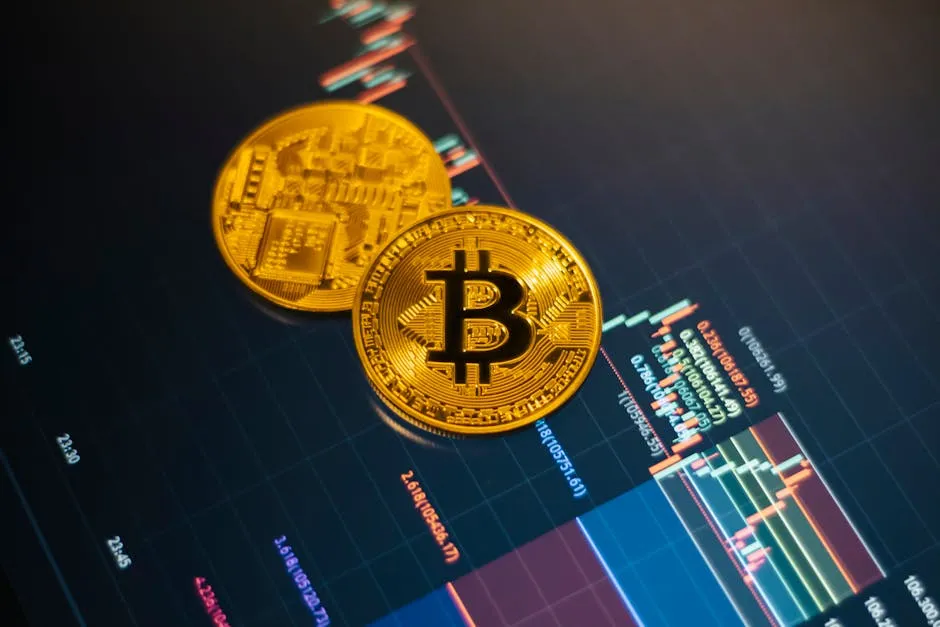
Inflation Data Sends Mixed Signals: Gold Rises, Bitcoin Retreats
The latest economic data from the United States has sent ripples through the financial markets, creating a stark divergence between traditional safe-haven assets and the world’s leading cryptocurrency. The Producer Price Index (PPI), a key measure of wholesale inflation, came in hotter than expected, prompting a flight to assets like gold while putting significant pressure on Bitcoin.
A Tale of Two Reactions
The immediate market reaction told a clear story. Gold, the classic inflation hedge, surged to a one-month high as investors sought stability. Precious metals often benefit from economic uncertainty and fears of persistent inflation, as they are seen as stores of value outside the traditional financial system.
Bitcoin, however, painted a different picture. Often touted as “digital gold,” its price action diverged sharply. Instead of rising alongside its metallic counterpart, BTC faced a swift sell-off, with losses nearing 3% on the day following the data release. This breakdown threatens to push Bitcoin back toward lower support levels, raising concerns among bullish investors.
Why the Divergence?
This contrasting behavior highlights the complex and evolving narrative around Bitcoin. While some proponents view it as a long-term inflation hedge, its price in the short to medium term remains highly sensitive to broader macroeconomic forces and investor risk appetite.
Hotter-than-expected PPI data fuels speculation that the Federal Reserve may maintain a tighter monetary policy for longer, keeping interest rates elevated. This environment typically strengthens the US dollar and increases the appeal of yield-bearing assets, while making speculative assets like cryptocurrencies less attractive. The data likely triggered a risk-off sentiment, where capital flows out of perceived riskier investments.
What This Means for Crypto Markets
The episode serves as a potent reminder that cryptocurrency markets do not operate in a vacuum. They are deeply interconnected with global macroeconomics. Key inflation reports, central bank decisions, and geopolitical events can trigger immediate and volatile reactions.
For traders and investors, this underscores the importance of monitoring traditional economic indicators. Understanding the potential impact of data like PPI and CPI (Consumer Price Index) is crucial for navigating the crypto landscape. While Bitcoin’s long-term thesis may remain intact, its path is likely to be punctuated by periods of high correlation with—and reaction to—mainstream financial news.
As the market digests this inflation data, all eyes will be on Bitcoin’s ability to hold key support levels. Will it decouple and follow gold’s lead as a true hedge, or will it continue to trade as a risk asset in the near term? The coming days will provide critical clues.