Bitcoin Falls Below $83,000 as Macro Pressure Builds
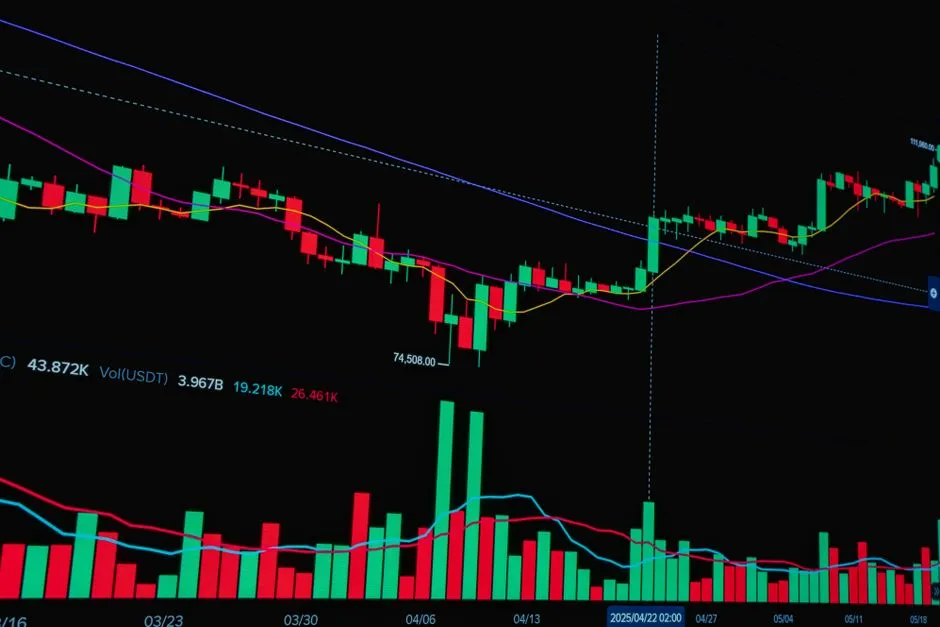
Bitcoin has slipped below the $83,000 level as investors respond to a stronger U.S. dollar, rising bond yields, and renewed uncertainty across global markets. While the decline has placed pressure on risk-sensitive assets, the broader picture remains mixed. Bitcoin and gold have shown relative stability compared with some other parts of the market, even as changing expectations around interest rates continue to influence trading decisions.
The latest move highlights how closely cryptocurrency markets remain connected to wider economic conditions. Digital assets are often viewed as an alternative investment class, but they can still react sharply to developments in currencies, government bonds, inflation expectations, and central-bank policy.
Why Dollar Strength Matters for Bitcoin
A firm U.S. dollar can create headwinds for assets priced in dollars, including Bitcoin. When the dollar gains value against other major currencies, international investors may find dollar-denominated assets more expensive. At the same time, a stronger currency can encourage investors to favor cash and other relatively defensive holdings over more volatile investments.
Dollar strength also reflects broader expectations about the U.S. economy and interest rates. If markets believe borrowing costs could remain elevated for longer, investors may become more selective about assets that do not generate traditional income. Bitcoin does not pay interest or dividends, so its appeal can weaken when safer yields become more attractive.
Rising Bond Yields Add to Market Nervousness
Government bond yields have also been moving higher, adding another layer of pressure to risk assets. Rising yields increase the return investors can potentially earn from fixed-income securities. This can lead to portfolio adjustments, particularly among institutions that balance exposure between bonds, equities, commodities, and digital assets.
Higher yields can also affect how financial markets value future growth. When the cost of money rises, investors often apply greater scrutiny to assets whose value depends heavily on long-term expectations. Bitcoin’s limited supply and decentralized design remain central to its investment case, but short-term trading is still strongly influenced by liquidity and macroeconomic sentiment.
Bitcoin and Gold Show Relative Resilience
Despite the pressure from the dollar and bond markets, both Bitcoin and gold have held comparatively steady. The two assets are different in structure and market history, but both are sometimes considered alternatives to traditional financial instruments during periods of uncertainty.
Gold has a long-established role as a defensive asset, while Bitcoin continues to develop its position within institutional and retail portfolios. Their ability to remain relatively stable during a period of market tension suggests that some investors may still be seeking assets outside conventional currencies and equities.
However, stability should not be confused with the end of volatility. Bitcoin can experience significant price movements in either direction, particularly when traders react to changes in interest-rate expectations or sudden shifts in market liquidity.
IREN Secures Multiyear Cloud Services Agreement with Anthropic
Alongside the broader market developments, IREN has secured a multiyear cloud services agreement with Anthropic. The deal adds an important business and technology story to a market environment otherwise dominated by currency movements and bond yields.
Cloud infrastructure agreements of this kind can be significant because they connect computing capacity with the rapid expansion of artificial intelligence services. Demand for advanced computing resources has increased as companies develop and deploy larger AI models. For infrastructure providers, multiyear contracts may offer greater revenue visibility and help support long-term investment in data centers, energy, and specialized computing equipment.
The agreement also reflects the growing relationship between digital infrastructure, artificial intelligence, and the broader technology economy. Investors may continue watching how companies such as IREN balance opportunities in high-performance computing with the demands of their existing operations.
What Investors May Watch Next
- U.S. dollar direction: Continued dollar strength could keep pressure on Bitcoin and other risk-sensitive assets.
- Bond yields: Further increases may encourage investors to reduce exposure to higher-volatility markets.
- Interest-rate expectations: Changes in central-bank policy forecasts can quickly influence crypto sentiment.
- Bitcoin trading volume: Stronger volume may help confirm whether the move below $83,000 is temporary or part of a broader trend.
- Technology infrastructure deals: Agreements such as IREN’s contract with Anthropic may offer insight into the continued growth of AI-related computing demand.
The Bottom Line
Bitcoin’s move below $83,000 reflects the continuing influence of macroeconomic conditions on cryptocurrency markets. A stronger dollar and rising bond yields have made investors more cautious, but Bitcoin and gold have not shown a complete breakdown in confidence. At the same time, IREN’s multiyear cloud services agreement with Anthropic underscores how rapidly the technology and infrastructure landscape is evolving.
For now, market participants are likely to remain focused on currency movements, bond yields, and interest-rate expectations. Bitcoin’s longer-term outlook will depend on adoption, liquidity, and investor demand, while its short-term performance may continue to be shaped by the same global forces affecting markets across the financial system.
Related read: Binance Launches 400 BNB Meteora Spot Trading Competition: How to Qualify