Bitcoin Pulls Back From Recent Peak Amidst Global News Cycle
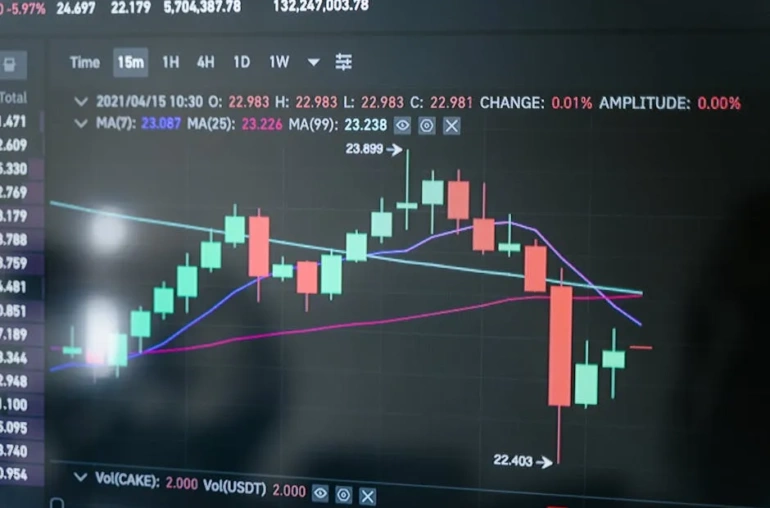
The cryptocurrency market experienced a notable shift in momentum recently, as Bitcoin failed to sustain its climb above the psychological $72,000 mark. Following a three-week rally that pushed prices to these significant highs, the asset has since corrected. This retreat coincided with broader geopolitical developments, specifically rumors and reports concerning a potential ceasefire agreement between the United States and Iran. While peace in the Middle East is generally viewed as a positive development for global risk sentiment, traders appear to have moved quickly to discount this impact before it fully unfolded.
Understanding The $72,000 Resistance Level
For weeks, bulls have been attempting to push Bitcoin beyond the $72,000 threshold. This level serves as a critical support and resistance zone on many technical charts. When price action fails to hold above this level for an extended period, it often signals a lack of immediate buying pressure at that specific price point. In this instance, the inability to maintain momentum above $72,000 suggests that market participants were already adjusting their positions in anticipation of external factors. Traders often sell into strength when they believe a major catalyst is already being priced into the asset, leading to a subsequent pullback.
How Geopolitical News Influences Crypto Assets
Bitcoin and the broader digital asset market are increasingly sensitive to macroeconomic events and geopolitical stability. Historically, high-risk assets like cryptocurrencies can suffer when global uncertainty spikes due to conflict. Conversely, a reduction in conflict, such as a ceasefire, usually lowers risk premiums across traditional equities and digital assets alike. However, the market reaction here was immediate. The price action began to discount the impact of the ceasefire agreement before it was fully confirmed or implemented. This phenomenon is known as “pricing in,” where investors adjust their expectations based on credible rumors or early signals rather than waiting for official announcements.
When news of a ceasefire emerges, the initial reaction depends on the market’s perception of whether the news is already reflected in current prices. If traders believe the market has already accounted for the potential de-escalation, they may not see Bitcoin as a hedge against the news anymore. Instead, profit-taking becomes the dominant strategy, leading to price dips. This highlights the sophisticated nature of modern crypto markets, where information flow is instantaneous, and sentiment can pivot rapidly within minutes.
Market Sentiment And Risk Off Dynamics
The retreat from the three-week high also underscores the volatility inherent in risk-on markets. While a ceasefire is fundamentally a “risk-off” event for global assets, the crypto market often behaves differently than traditional safe havens like gold or the US dollar. Investors might initially fear that any geopolitical tension could spill over into digital markets, causing them to sell before a major event. When the tension subsides, the relief rally might be limited if the market feels the news was already anticipated. In this specific scenario, the relief was not strong enough to push Bitcoin back to its recent highs, indicating a need for stronger technical momentum to drive the price higher.
What Investors Should Watch Next
As the dust settles on this specific price action, market participants should remain vigilant regarding the broader trend of Bitcoin. The failure to hold above $72,000 is a significant technical event that requires monitoring. If the price consolidates around the $70,000 to $72,000 range, it will determine the next major move. Furthermore, investors should continue to monitor geopolitical developments, as they remain a primary driver of short-term volatility. The crypto market is maturing, and while news events still cause swings, the correlation between traditional market sentiment and digital assets is becoming more pronounced. Traders should focus on long-term fundamental value rather than chasing short-term headlines driven by war or peace news.
In conclusion, the recent pullback in Bitcoin serves as a reminder that market sentiment is often ahead of news cycles. The failure to sustain gains above $72,000 suggests that traders were already reacting to the potential for a US-Iran ceasefire before the full details were public. For the digital asset community, this highlights the importance of risk management and not overreacting to every geopolitical headline. As Bitcoin navigates these waters, it will be interesting to see if a new consolidation range forms or if the price finds a path back to its recent highs once the geopolitical headlines fade into the background.