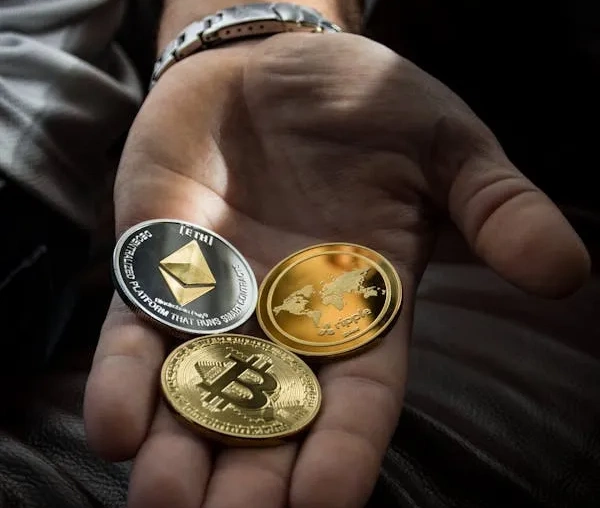
The cryptocurrency landscape is currently defined by a stark dichotomy. On one side, we see a resilient resurgence in the price of Bitcoin, bolstered by significant capital movement. On the other, the Decentralized Finance (DeFi) sector is grappling with internal conflicts and security concerns. This week highlighted how different sectors of the digital asset economy are responding to shifting market tides.
The Bitcoin Comeback
This week marked a noticeable bounce back for Bitcoin (BTC). The primary driver behind this momentum has been a surge in stablecoin inflows. When investors move funds into stablecoins, they often do so with the intention of entering the market or hedging against volatility before making purchases. This rotation of capital signals growing confidence in the broader ecosystem, even as uncertainty lingers regarding institutional adoption and regulatory frameworks.
The rise of Bitcoin ETFs continues to play a pivotal role here. As these financial products gain traction among traditional investors, they bring new liquidity into the market. However, it is important to note that this inflow does not necessarily imply a lack of risk; rather, it suggests a diversification strategy where stablecoins serve as the bridge between fiat currency and digital assets.
DeFi Faces Fresh Headwinds
While Bitcoin enjoyed a rally, the DeFi sector faced fresh pressure. The ecosystem is currently under scrutiny due to governance strife, particularly surrounding the lending protocol Aave. Recent disagreements within the community have deepened the rift between developers and stakeholders. This isn’t just administrative noise; it highlights fundamental challenges regarding decision-making in decentralized organizations.
Beyond governance, security remains a paramount concern. The industry has recently seen exploits and exchange security moves that have shaken investor confidence. When major protocols face scrutiny over potential vulnerabilities or when exchanges tighten their security measures following hacks, the ripple effect is felt across the entire market. These events serve as reminders that decentralized finance is still maturing.
What This Means for Investors
The simultaneous success of Bitcoin ETFs and the struggles in DeFi suggest a maturing but segmented market. Retail investors might find themselves navigating a complex environment where traditional assets like BTC are gaining institutional favor, while newer protocols fight to prove their utility without compromising security.
For those watching the space closely, the message is clear: diversification remains key. Capital should not be placed solely in one basket of risk. As stablecoin inflows continue to support price action, investors must remain vigilant regarding governance disputes and potential exploits that could impact asset safety.
In summary, while Bitcoin shows signs of recovery driven by institutional interest and capital rotation, the DeFi sector continues to battle internal friction and external security threats. The coming weeks will likely test whether these two sectors can coexist without one dragging the other down.