

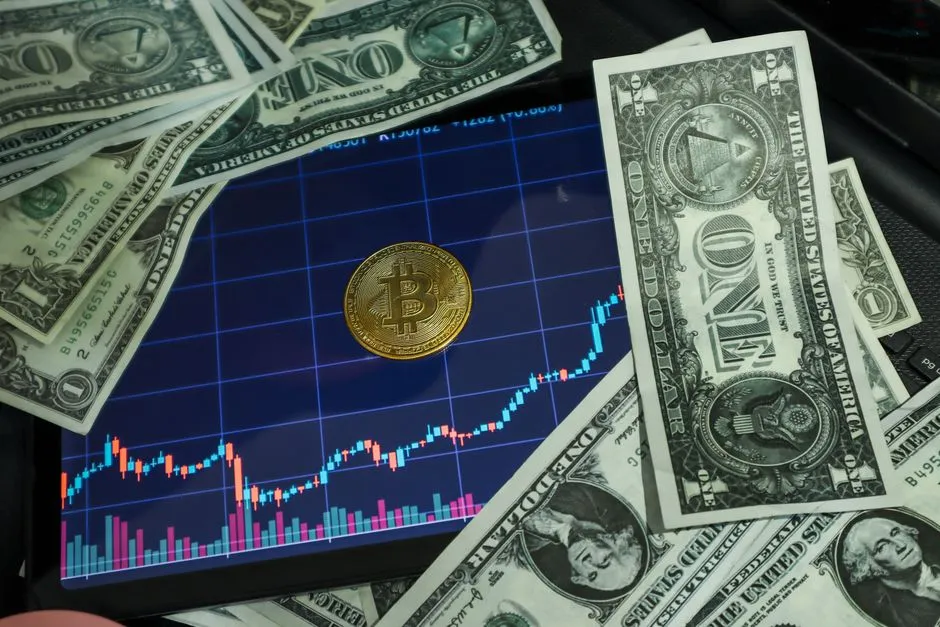
Bitcoin Climbs as Economic Data Surprises to the Upside
Bitcoin price action regained momentum as BTC climbed toward $81,500, with traders responding to stronger-than-expected US gross domestic product data. The latest move highlights how closely cryptocurrency markets remain connected to broader economic conditions, investor sentiment, and developments in traditional financial markets.
The rise came as markets assessed fresh evidence about the health of the US economy. Better-than-expected GDP data can influence expectations around interest rates, liquidity, and risk appetite. When economic growth appears more resilient than anticipated, investors may become more willing to hold volatile assets such as cryptocurrencies. However, strong economic data can also create uncertainty if traders believe it could encourage central banks to maintain tighter monetary policy for longer.
BTC Returns to a Key Weekly Resistance Level
Although Bitcoin’s move toward $81.5K offered a boost to bulls, the price also returned to an important weekly resistance area. Resistance levels are price zones where selling pressure has previously emerged. Traders often monitor these areas closely because a sustained move above them can signal renewed bullish momentum, while a rejection may lead to consolidation or a short-term pullback.
Bitcoin’s approach to this level suggests that market participants are testing whether demand is strong enough to support another leg higher. A clean breakout would likely require consistent buying volume and improving confidence across the wider crypto market. Without that confirmation, BTC could continue moving sideways as traders wait for a clearer signal.
Why Resistance Matters to Traders
Technical resistance is not a guarantee that a reversal will occur. Instead, it represents an area where market psychology and previous trading activity may influence future price behavior. Traders may look for several signs before treating a breakout as reliable, including:
- A daily or weekly close above the resistance zone.
- Higher trading volume during the move.
- Follow-through buying after the initial breakout.
- Support forming at the former resistance level.
If Bitcoin breaks above resistance and successfully turns that area into support, the move could strengthen the broader bullish structure. On the other hand, a sharp rejection may encourage profit-taking among traders who entered at lower prices.
US Stock Markets Add to the Market’s Uncertainty
Bitcoin’s latest advance occurred while US stock markets processed Alphabet’s third-quarter earnings miss. Large technology companies have a significant influence on overall market sentiment because their results can affect expectations for corporate growth, advertising demand, artificial intelligence spending, and the direction of major stock indexes.
A disappointing earnings report from a company as widely followed as Alphabet can create a more cautious atmosphere across financial markets. Investors may reassess valuations and reduce exposure to riskier assets while they evaluate whether the weakness reflects company-specific issues or a broader slowdown. Even when Bitcoin rises during such periods, the cryptocurrency remains sensitive to changes in stock market sentiment.
This relationship does not mean Bitcoin and equities always move in the same direction. Crypto can outperform stocks when investors view it as an alternative source of opportunity, but it can also decline when market-wide risk aversion increases. For that reason, traders are watching both Bitcoin’s technical structure and the performance of major US indexes.
Liquidity and the Next Bitcoin Price Move
Liquidity is another important factor behind the current market setup. Liquidity refers to the amount of capital available to enter and exit positions without causing major price changes. When liquidity improves, Bitcoin can attract stronger buying interest and move quickly through resistance levels. When liquidity becomes thinner, even relatively modest buying or selling can produce sharp price swings.
Traders are therefore paying attention to areas where large groups of buy and sell orders may be concentrated. A move toward higher liquidity could help BTC extend its gains, while a clash between buyers and sellers around major price levels could create heightened volatility.
What Traders Should Watch Next
The $81,500 area is likely to remain an important short-term reference point. Traders may focus on whether Bitcoin can maintain its upward momentum after the initial reaction to the GDP figures. They will also monitor additional economic releases, interest-rate expectations, the US dollar, and the performance of technology stocks.
Strong economic data may support risk appetite, but it can also shift expectations about future monetary policy. That creates a delicate balance for Bitcoin. Investors want evidence of economic stability and available capital, but they may become cautious if stronger growth leads to expectations of restrictive policy.
Conclusion
Bitcoin’s move toward $81.5K shows that buyers remain active as markets digest stronger US GDP data and fresh corporate earnings news. The return to weekly resistance gives bulls an opportunity to demonstrate strength, but it also places BTC at a technically important decision point. A confirmed breakout could open the door to further gains, while a rejection may lead to consolidation as traders reassess momentum. For now, Bitcoin’s next major move will likely depend on the interaction between technical resistance, economic expectations, liquidity, and broader investor sentiment.
Related read: France Moves Closer to Automatic Crypto Tax Data Sharing as Senate Adopts Bill

