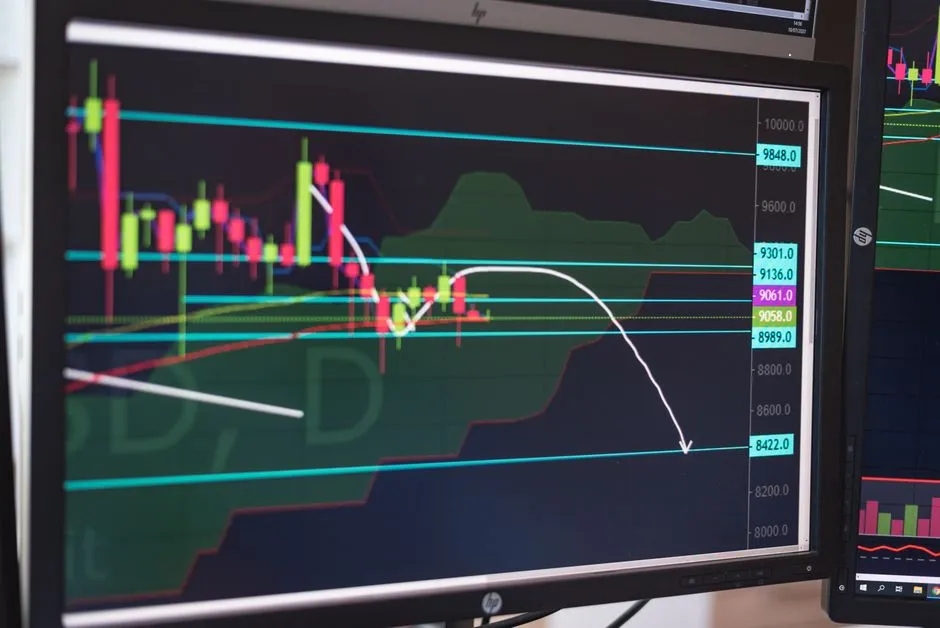
Bitcoin Finds Stability Above $80,000
Bitcoin steadied around the $82,000 level after a period of market uncertainty, supported by improving sentiment in Asian equities and a shift in expectations surrounding Federal Reserve policy. The cryptocurrency remained above the psychologically important $80,000 threshold as traders assessed whether interest rates could stay higher for longer or begin moving in a more supportive direction.
Although Bitcoin continues to experience sharp daily price swings, its ability to hold above $80,000 suggests that buyers remain active. The market’s attention has increasingly turned toward macroeconomic developments, particularly signals from the Federal Reserve and changes in expectations for future interest-rate decisions.
Traders Reassess the Outlook for Interest Rates
One of the main factors influencing Bitcoin’s recent performance has been the changing outlook for U.S. monetary policy. Higher interest rates typically place pressure on risk-sensitive assets because investors can earn more attractive returns from cash and government bonds. When expectations for rate increases decline, speculative and growth-oriented assets such as cryptocurrencies can become more appealing.
Comments associated with Kevin Warsh did not provide traders with fresh indications that the Federal Reserve was preparing to raise rates. That absence of hawkish guidance helped reduce concerns that monetary policy could become even tighter. As a result, market participants lowered their expectations for an immediate rate hike, providing some support for Bitcoin and other higher-risk assets.
Rate expectations can influence cryptocurrency prices well before a central bank makes an official decision. Traders closely monitor speeches, economic data, bond yields and changes in futures markets to estimate the direction of policy. Even a subtle change in tone can trigger rapid repositioning across financial markets.
Asian Equities Add to the Positive Mood
Bitcoin’s stability also coincided with a recovery in South Korean technology stocks following an earlier sell-off. Technology shares are often viewed as a useful indicator of broader investor appetite for risk because they tend to perform well when traders are comfortable holding assets with higher growth potential.
A rebound in South Korea’s technology sector helped improve the wider market mood. When equity markets recover from a sharp decline, investors may become less defensive and more willing to re-enter volatile areas, including digital assets. This does not guarantee a sustained cryptocurrency rally, but it can create a more supportive environment for Bitcoin.
The relationship between Asian stocks and crypto markets is not always direct. However, both are sensitive to liquidity, interest rates and global risk appetite. A stronger performance from technology companies can therefore reinforce the view that investors are becoming more comfortable with risk after a period of caution.
Why the $80,000 Level Matters
Bitcoin’s ability to remain above $80,000 is important from both a technical and psychological perspective. Round-number levels often attract significant attention because traders use them as reference points for support, resistance and risk management.
Holding above this level may encourage some investors to maintain existing positions rather than sell into weakness. It can also give momentum-focused traders greater confidence that the broader trend remains intact. On the other hand, a sustained move below $80,000 could increase selling pressure and prompt traders to reassess whether the market has entered a deeper correction.
Price stability near $82,000 does not eliminate the risk of volatility. Bitcoin remains sensitive to sudden changes in bond yields, currency markets, economic data and investor positioning. A calm session can quickly be followed by a sharp move if new information changes expectations about Federal Reserve policy.
What Investors Are Watching Next
Market participants are likely to focus on upcoming central-bank commentary and economic indicators that could influence the rate outlook. Inflation trends, employment data and consumer activity will remain particularly important because they help determine whether policymakers have room to keep rates steady or need to maintain a tighter stance.
Investors will also watch trading activity in major equity markets. Continued strength in technology stocks could support broader risk appetite, while another sharp sell-off might weigh on Bitcoin even if its long-term fundamentals remain unchanged.
In addition, traders will pay attention to whether Bitcoin can build a stable base above $80,000 rather than simply touching the level during a short-lived rebound. Sustained consolidation could provide the foundation for a new advance, while repeated failures to move higher may signal that buyers are becoming more cautious.
Conclusion
Bitcoin’s move around $82,000 reflects a market balancing macroeconomic uncertainty with improving risk sentiment. The absence of new rate-hike hints from Kevin Warsh helped ease immediate concerns about tighter Federal Reserve policy, while a recovery in South Korean technology stocks added support to the broader investment landscape.
For now, Bitcoin remains above $80,000, but its next major move will likely depend on interest-rate expectations, economic data and the strength of global equity markets. Investors should continue to expect volatility and avoid treating short-term price stability as a guarantee of a lasting rally.
Related read: Strategy Declares Conditional Daily Dividends as STRC Hovers Below $100