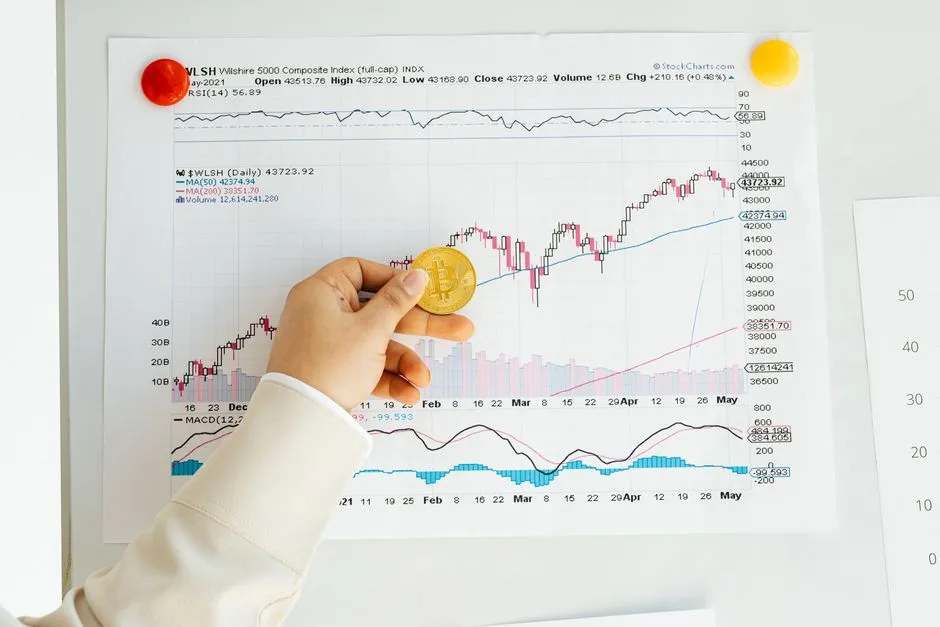
Bitcoin has recently slipped below the $66,000 mark, marking a notable retreat for the leading cryptocurrency. While short-term price fluctuations are common in digital asset markets, this latest move is not happening in a vacuum. Instead, it reflects a broader convergence of macroeconomic pressures, geopolitical uncertainty, and shifting expectations around central bank policy. For traders and investors alike, understanding the forces behind this dip is essential to navigating what lies ahead.
The Immediate Market Reaction
According to recent market data, Bitcoin (BTC) has traded near $65,700, representing a decline of just over 1 percent from recent highs. On the surface, a single-digit percentage drop might seem modest, but in the context of crypto markets, it often signals a shift in short-term sentiment. Traders are quickly adjusting positions as liquidity tightens and risk appetite cools. This kind of pullback typically triggers a wave of technical selling, where algorithmic traders and stop-loss orders accelerate the downward momentum until a new support level is established.
Geopolitical Friction and the Oil Price Connection
One of the primary catalysts behind this recent price action stems from escalating tensions between the United States and Iran. Renewed diplomatic threats and the potential for heightened military posturing have sent shockwaves through global energy markets. As geopolitical risk rises, oil prices tend to climb in response to fears of supply disruptions or shipping route vulnerabilities. This is particularly relevant for Bitcoin because energy markets and risk assets often move in tandem during periods of global uncertainty.
When oil prices surge, the broader market interprets it as a warning sign for inflationary pressures and economic instability. Historically, crypto assets have shown sensitivity to these macro shifts. While Bitcoin is often marketed as a hedge against traditional financial systems, its short-term price action frequently mirrors risk-off sentiment. Investors tend to rotate out of volatile assets like digital currencies and into safer havens such as government bonds or gold when geopolitical headlines intensify.
Why Federal Reserve Policy Matters for Crypto
The ripple effects of rising energy costs quickly translate into expectations around Federal Reserve policy. Higher oil prices generally feed into broader inflation metrics, which in turn increase the likelihood of additional interest rate hikes. Market participants have already begun pricing in a higher probability of another rate increase this year, and that shift is having a tangible impact on Bitcoin.
Interest rates and crypto markets often share an inverse relationship. When the Federal Reserve raises rates, borrowing becomes more expensive, liquidity tightens, and the U.S. dollar tends to strengthen. For Bitcoin, which operates without yields or cash flow, higher rates increase the opportunity cost of holding the asset. Institutional investors and retail traders alike may look toward traditional fixed-income instruments that now offer more attractive risk-adjusted returns. This dynamic helps explain why rate hike expectations have contributed to Bitcoin’s recent retreat below $66,000.
Market Sentiment and Technical Levels to Watch
Beyond macroeconomic drivers, market structure and trader psychology play a crucial role in how Bitcoin responds to external shocks. Technical analysts are closely monitoring key support zones around the $65,000 to $64,500 range. A decisive break below this area could trigger further selling pressure, while a successful defense might set the stage for a short-term recovery. Volume patterns, funding rates in the derivatives market, and on-chain activity all provide additional clues about whether this dip is a temporary correction or the beginning of a broader consolidation phase.
It is also worth noting that crypto markets are increasingly interconnected with traditional finance. Exchange-traded products, institutional custody solutions, and macro-driven trading desks mean that Bitcoin no longer moves in isolation. When global equities waver or bond yields spike, digital assets often feel the impact almost immediately.
Looking Ahead: Navigating Volatility in a Macro-Driven Market
The current environment highlights a fundamental truth about modern cryptocurrency markets: they are deeply intertwined with global economics. Geopolitical developments, energy markets, and central bank decisions all feed into price discovery. While this can create short-term turbulence, it also reflects Bitcoin’s growing maturity as an asset class that commands attention from traditional financial markets.
For investors, the key lies in maintaining a balanced perspective. Short-term volatility should not overshadow longer-term structural trends, but it does demand careful risk management and a clear understanding of macroeconomic indicators. Keeping an eye on inflation data, Federal Reserve communications, and geopolitical developments will provide valuable context as the market searches for its next directional move. In an era where digital assets and traditional finance increasingly overlap, staying informed is just as important as staying invested.