Bitcoin Pushes Above $72,500 as Geopolitical Tensions Shake Markets
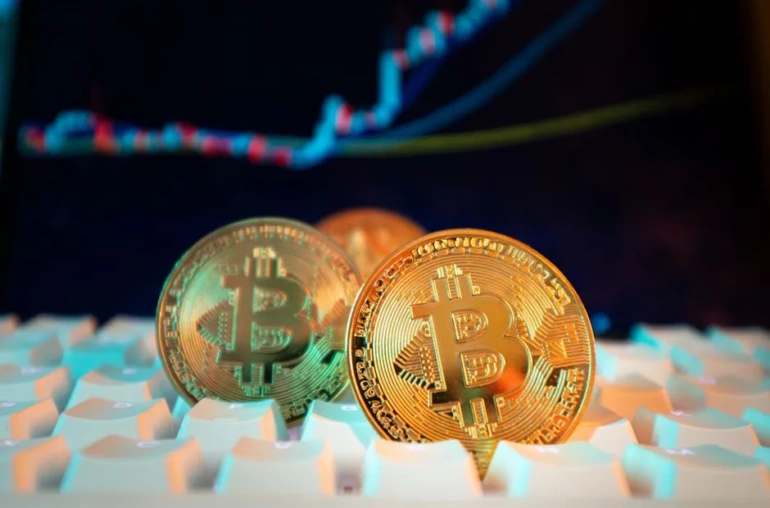
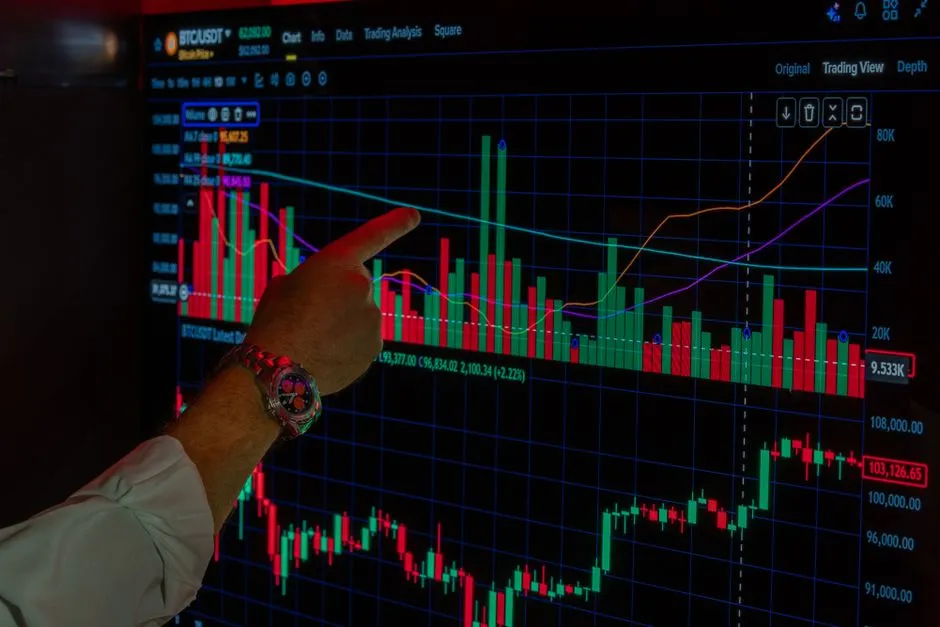
Bitcoin climbed to new multimonth highs above $72,500 as investors responded to rising tensions between the United States and Iran. The move came at a time when US stocks were losing momentum, highlighting the different ways traditional and digital assets can react to geopolitical uncertainty.
The cryptocurrency’s latest advance places it firmly back in the spotlight after a period of uneven trading. While Bitcoin remains sensitive to interest rates, liquidity, and investor sentiment, its performance during periods of global stress continues to fuel debate over whether it can serve as an alternative asset when confidence in traditional markets begins to weaken.
US-Iran Conflict Adds to Market Uncertainty
The Bitcoin rally developed as the United States issued warnings of potential “economic warfare” against Iran. The language intensified concerns about possible disruptions to trade, energy markets, financial activity, and international relations.
Geopolitical developments often create sudden shifts in investor behavior. Markets may initially move toward cash, government bonds, or other traditionally defensive assets. However, digital assets can also attract attention when traders anticipate currency weakness, capital controls, or greater demand for assets that operate outside conventional banking systems.
That does not mean Bitcoin is immune to risk. In the short term, cryptocurrency markets can be highly volatile, and geopolitical headlines may cause sharp moves in either direction. Still, Bitcoin’s ability to hold above key psychological levels during a period of uncertainty suggests that demand remained strong enough to absorb selling pressure.
Why the $72,500 Level Matters
Breaking above $72,500 represents more than a headline figure. Round numbers and previous highs often become important reference points for traders because they influence market psychology and technical analysis.
A sustained move above this level could encourage additional buying from momentum traders and investors who had been waiting for confirmation of renewed strength. It may also lead short sellers to close their positions, potentially adding further upward pressure to the price.
At the same time, a rapid advance can increase the risk of profit-taking. Investors who purchased Bitcoin at lower prices may decide to lock in gains, particularly if broader markets remain unsettled. For that reason, the cryptocurrency’s ability to maintain its gains—not simply touch a new high—will be an important indicator of whether the rally has lasting momentum.
Key factors traders may be watching
- Trading volume: Strong volume during an advance can suggest broader participation and improve the credibility of a breakout.
- US dollar performance: Changes in the dollar can affect demand for Bitcoin and other risk-sensitive assets.
- Stock market direction: A continued divergence between Bitcoin and equities could reinforce the argument that crypto is attracting separate sources of demand.
- Geopolitical headlines: Further escalation involving the US and Iran could increase volatility across markets.
- Investor positioning: Overcrowded bullish trades can make the market vulnerable to sudden pullbacks.
Bitcoin and the Debate Over Safe-Haven Assets
Bitcoin’s response to the latest tensions has revived the long-running debate about its role as a safe-haven asset. Supporters argue that Bitcoin’s fixed supply and decentralized structure make it attractive during periods of monetary or political instability. Unlike traditional currencies, it is not issued directly by a government or controlled by a central bank.
Critics, however, point out that Bitcoin has historically experienced large price swings during periods of market stress. Its performance can depend heavily on liquidity conditions, investor confidence, and access to risk capital. As a result, it may behave like a defensive asset in one episode and a high-risk technology investment in another.
The latest move does not settle that debate, but it does demonstrate how quickly Bitcoin can respond to a changing global narrative. Investors who previously viewed cryptocurrency only through the lens of technology or speculation may increasingly consider its connection to monetary policy, international conflict, and capital flows.
What Could Happen Next?
Bitcoin’s next phase will likely depend on whether buyers can defend the recent gains. If the price remains above the breakout area and trading activity continues to expand, the market may begin targeting new record levels. A failure to hold the move, on the other hand, could result in a pullback as traders take profits and reassess risk.
Traditional markets will also remain important. If US stocks continue to cool while Bitcoin holds firm, the divergence could draw more attention from portfolio managers seeking diversification. Conversely, a broader risk-off move across stocks, commodities, and digital assets could put pressure on Bitcoin despite its recent strength.
Conclusion
Bitcoin’s rise above $72,500 marks a significant moment for the cryptocurrency market, particularly because it occurred alongside renewed US-Iran tensions and softer momentum in US equities. The move underscores Bitcoin’s growing role in conversations about global finance, risk, and alternative stores of value.
Whether the rally develops into a sustained breakout will depend on market liquidity, investor positioning, and the direction of geopolitical events. For now, Bitcoin has demonstrated notable resilience, but traders should remember that new highs can bring both fresh opportunity and heightened volatility.
Related read: Keel Infrastructure Shuts Down US Bitcoin Mining Sites to Repurpose Data Centers for AI