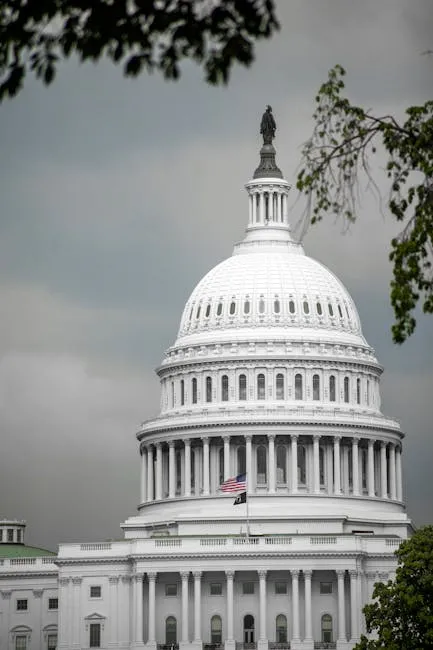
In the rapidly evolving landscape of cryptocurrency regulation and global finance, a significant development has emerged from Washington. Binance, one of the world’s largest digital asset exchanges, has publicly addressed a recent inquiry from the U.S. Senate regarding its operations in relation to sanctions on Iran.
The Senate Inquiry Explained
Recently, members of the U.S. Senate raised concerns about potential violations of economic sanctions involving Iranian entities within the cryptocurrency sector. Such inquiries are not uncommon given the heightened scrutiny crypto firms face when dealing with geopolitical hotspots. The core issue revolves around whether digital assets can be used to bypass traditional banking restrictions placed on sanctioned countries.
The Senate committee sought information to determine if Binance or other platforms were facilitating transactions that violated U.S. law. This type of investigation carries weight, as it could lead to stricter compliance requirements or legal repercussions for non-compliant exchanges operating within the American jurisdiction or affecting American citizens.
Binance’s Firm Response
Binance moved quickly to respond to these allegations. In their statement, the exchange took a firm stance against the claims made during the probe. They emphasized that they maintain strict adherence to global sanctions regulations. Crucially, Binance stated, “no Binance account transacted directly with an Iran-based entity.”
This declaration is significant because it challenges the premise of the Senate’s investigation regarding direct transactions. By clarifying their position, Binance aims to protect its reputation and reassure investors that they are committed to legal compliance. The exchange also described the reports circulating around these allegations as “defamatory,” suggesting they see a disconnect between the claims and the actual data held within their systems.
Why This Matters for the Industry
The tension between cryptocurrency innovation and government regulation is at an all-time high. Exchanges like Binance operate in a complex environment where technology often outpaces legal frameworks. When a major player like Binance is pulled into a U.S. Senate probe, it signals to the broader market that regulatory bodies are actively monitoring cross-border transactions.
Crypto investors and businesses are watching closely to see how this situation resolves. If Binance can successfully prove its compliance without penalties, it sets a precedent for other firms. However, if sanctions violations are found, it could lead to tighter restrictions on DeFi protocols and centralized exchanges alike.
Looking Ahead
As the Senate continues its investigation, the focus remains on transparency. Users often wonder how exchanges can balance their global operations with local laws. Binance’s response indicates a willingness to engage with regulators directly rather than avoiding the issue. This approach is generally viewed positively in the industry.
The situation highlights the importance of “know your customer” (KYC) and anti-money laundering (AML) protocols. As geopolitical tensions remain volatile, exchanges will need to be even more vigilant. For now, Binance stands by its claim of non-involvement with Iran-based entities, awaiting further developments in the legislative process.