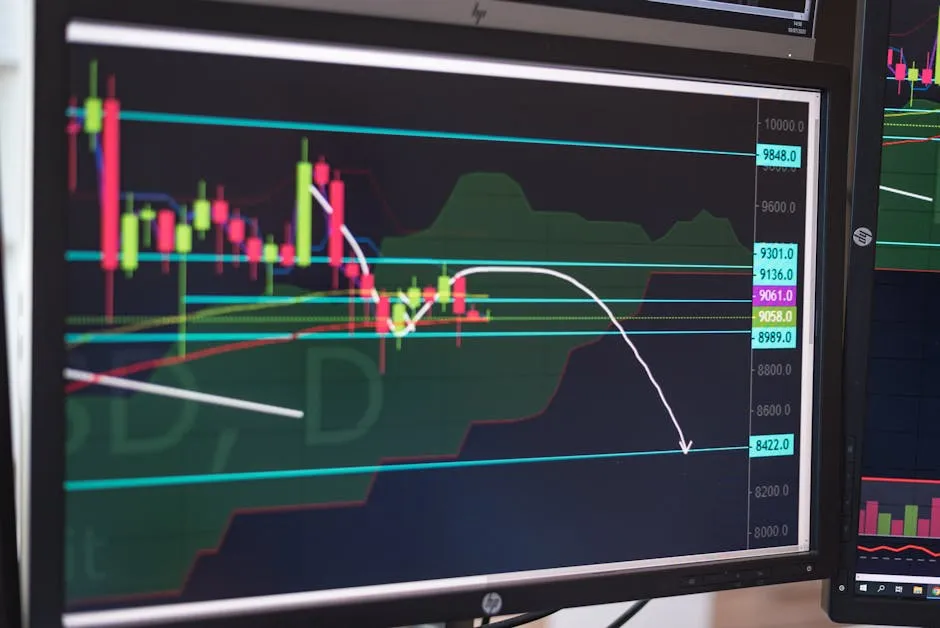
Bitcoin’s Sharp Decline Triggers Major Sell-Off
The cryptocurrency market has been rocked by one of its most significant sell-off events in recent years. Bitcoin, the flagship digital asset, has experienced a dramatic price drop, leading to realized losses exceeding $2.3 billion. This event, described by analysts as a major capitulation, rivals the intensity of the market crash seen in 2021, signaling a period of extreme stress and fear among investors.
What is Capitulation and Why Does It Matter?
In financial markets, “capitulation” refers to the point where investors, overwhelmed by pessimism and declining prices, give up hope and sell their holdings at a loss. This mass exodus often marks a potential turning point, where weak hands are flushed out of the market. The current Bitcoin sell-off is being driven primarily by short-term holders—investors who purchased coins within the last few months. As prices fell sharply, these holders opted to cut their losses rather than wait for a recovery, leading to the record-breaking realized loss figure.
Echoes of the Past: Comparing to the 2021 Crash
The scale of this event draws direct comparisons to the major downturn in mid-2021. During that period, Bitcoin’s price was cut nearly in half, cascading down from all-time highs. Similar to today, that crash was characterized by panic selling and significant liquidations across the market. While painful in the short term, historical patterns show that such intense capitulation phases have sometimes preceded periods of consolidation and eventual recovery, as selling pressure exhausts itself.
The Road Ahead for Bitcoin
For long-term observers, this volatility is a stark reminder of the inherent risks and cyclical nature of cryptocurrency markets. While the immediate outlook may seem bleak, capitulation events are closely watched for signs of a market bottom. Analysts will be monitoring on-chain data, exchange flows, and derivative market indicators to gauge whether the worst of the selling is over. For investors, periods like this underscore the importance of risk management, a long-term perspective, and a deep understanding of market cycles beyond the daily price fluctuations.
The coming weeks will be critical in determining whether this $2.3 billion loss event represents a final purge of excess optimism or the beginning of a more prolonged bearish trend. As always in crypto, the only certainty is uncertainty.