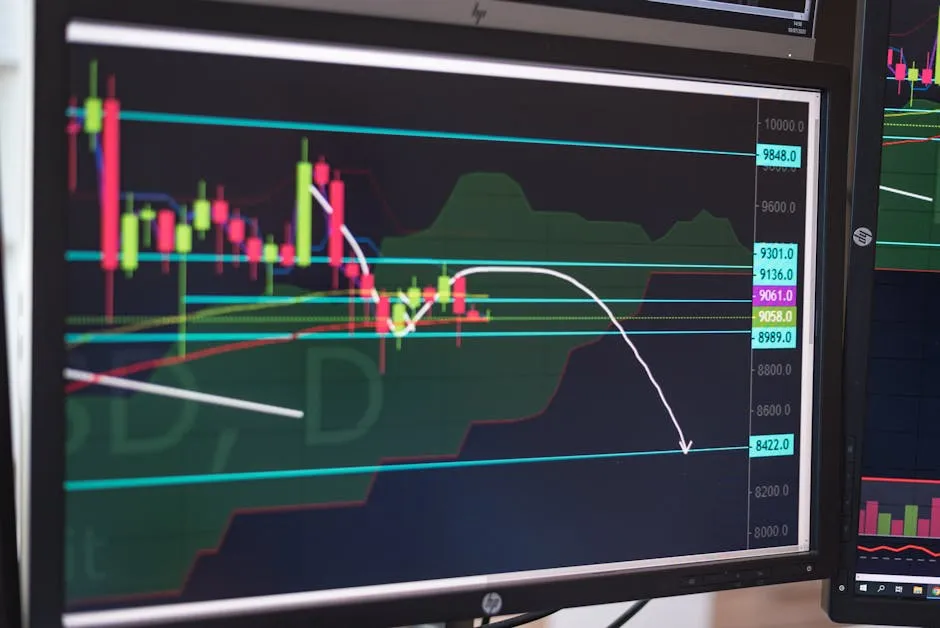
What’s Behind Bitcoin’s Recent Slide?
The cryptocurrency market has been on a rollercoaster, with Bitcoin’s price taking a notable tumble below the psychologically important $60,000 level. This sharp, month-long correction has left many investors searching for answers. While market movements are rarely due to a single cause, several compelling theories have emerged to explain the recent pressure on BTC. Let’s dive into the three leading narratives behind the sell-off.
Theory 1: Hong Kong Hedge Funds and Leveraged Bets
A prominent theory points to activity from hedge funds based in Hong Kong. According to market analysts, these institutions had placed significant leveraged bets on Bitcoin’s price, using borrowed funds to amplify their positions. When the market began to show weakness, these highly leveraged positions became vulnerable. To meet margin calls and avoid liquidation, these funds were forced to sell their Bitcoin holdings, creating a cascade of selling pressure that accelerated the downturn. This scenario highlights the inherent risks and volatility that leverage can inject into the crypto markets.
Theory 2: Broader Macroeconomic Headwinds
Bitcoin does not exist in a vacuum. The second theory connects the crypto sell-off to wider macroeconomic concerns. Persistent inflation data, shifting expectations around central bank interest rate policies, and general risk-off sentiment in traditional markets have all played a role. When investors grow nervous about economic stability, they often pull capital from perceived riskier assets, including cryptocurrencies. This “flight to safety” can lead to outflows from Bitcoin and other digital assets, contributing to price declines even if the crypto-specific fundamentals remain strong.
Theory 3: Profit-Taking and Market Cycle Dynamics
The third perspective views the correction as a natural and healthy part of Bitcoin’s market cycle. Following a strong rally, it is common for traders and early investors to take profits. This profit-taking activity, especially after Bitcoin approached its all-time highs, can trigger a pullback as selling volume increases. Furthermore, the market often undergoes phases of consolidation and correction to establish stronger support levels before attempting another upward move. This theory suggests the dip may be a standard market reset rather than a reaction to a specific negative catalyst.
Looking Ahead: Navigating Market Volatility
Understanding these potential drivers is crucial for any crypto participant. Whether the primary cause was leveraged unwinding, macro fears, or simple profit-taking, the event serves as a reminder of the market’s volatility. For long-term investors, such corrections can present opportunities, but they also underscore the importance of risk management, avoiding excessive leverage, and maintaining a perspective aligned with broader market cycles. As always, staying informed and prepared for volatility is key to navigating the crypto landscape.