Understanding Iran’s Currency Crisis
Recently, Iran has witnessed widespread protests in its capital as the national currency, the rial, plummeted to record lows. This economic turmoil has stirred public outrage, prompting citizens to take to the streets in demonstrations against the deteriorating financial situation. As the value of the rial continues to decline, many are searching for solutions to safeguard their savings and financial futures.
Bitcoin as a Protective Measure
In light of these events, Hunter Horsley, the CEO of Bitwise, emphasized the potential role of Bitcoin in helping Iranians manage their economic challenges. He argues that Bitcoin offers a viable alternative for individuals looking to protect their assets amidst the instability of their national currency.
The Case for Bitcoin
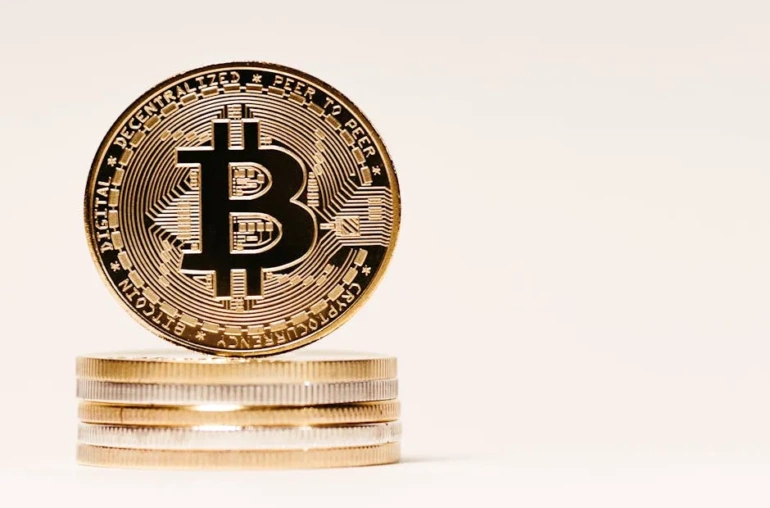
Bitcoin, a decentralized digital currency, operates independently from traditional banking systems. This characteristic is particularly appealing in regions facing severe economic crises, where government policies may exacerbate financial instability. For many Iranians, turning to Bitcoin could provide a means to preserve wealth and engage in transactions without the risk of currency devaluation.
Accessing Bitcoin in Iran
Despite the potential benefits, accessing Bitcoin in Iran may not be straightforward. The Iranian government has had a complicated relationship with cryptocurrencies, often oscillating between regulation and outright bans. However, the increasing need for financial alternatives may push more citizens to explore Bitcoin and other digital currencies, even in a restrictive regulatory environment.
The Importance of Financial Independence
Horsley’s insights highlight a broader theme of financial independence through cryptocurrency. In times of economic uncertainty, individuals across the globe are recognizing the value of alternative assets like Bitcoin. The ability to transact and store value outside of traditional financial systems empowers citizens to take control of their financial destinies.
Looking Ahead
As the situation in Iran continues to evolve, the conversations surrounding cryptocurrency will likely gain momentum. Whether it’s through Bitcoin or other digital currencies, the desire for financial stability and security is universal. For many Iranians facing the realities of a collapsing currency, the exploration of cryptocurrency may not just be an option but a necessity.
In conclusion, the protests in Iran serve as a stark reminder of the fragility of traditional financial systems and the increasing relevance of Bitcoin as a tool for economic resilience. As more individuals consider their options, the role of cryptocurrencies in providing a safeguard against currency collapse will remain a critical topic of discussion.