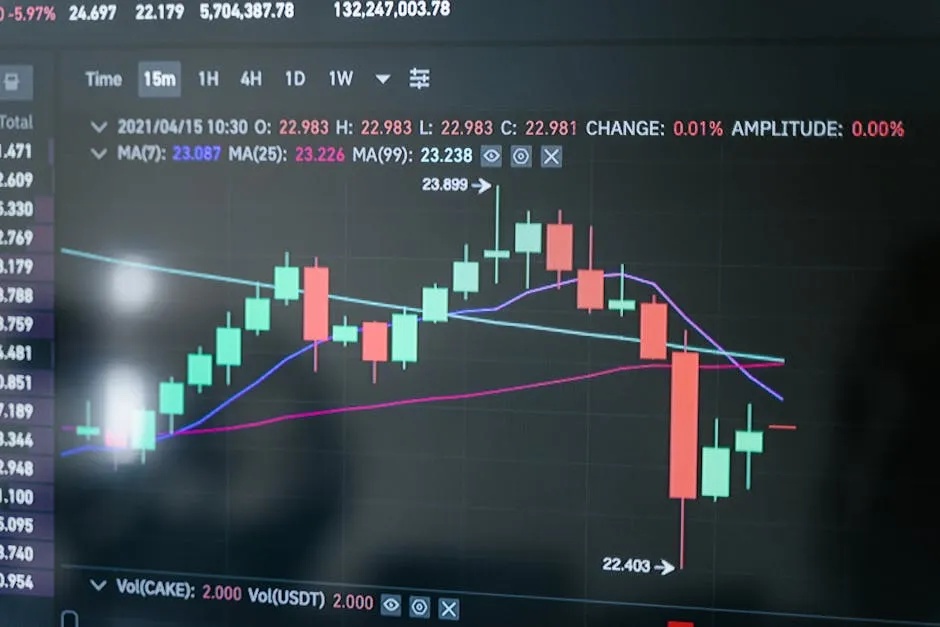
Polymarket Secures Regulatory Approval to Launch U.S. Trading Platform
In a significant development for the cryptocurrency and trading landscape, Polymarket has received regulatory approval to operate its trading platform in the United States. This milestone marks a crucial step for the company as it expands its services in a market that has been increasingly scrutinized by regulators.
What This Means for Polymarket
Polymarket, a popular prediction market platform, allows users to wager on the outcomes of various events, from politics to entertainment. Gaining regulatory approval is not just a win for Polymarket but also a signal of the evolving regulatory environment for cryptocurrency platforms in the U.S. This development comes at a time when many companies are navigating a complex landscape of compliance and regulation.
Context of the Approval
The timing of this approval is noteworthy, especially with the U.S. Senate poised to vote on the nomination of Michael Selig as the new chair of the Commodity Futures Trading Commission (CFTC). Selig’s appointment would fill the role left by acting chair Caroline Pham, and his leadership could significantly influence how trading platforms like Polymarket operate in the future.
The Future of Cryptocurrency Regulation
As the landscape for cryptocurrency trading continues to evolve, the approval of Polymarket stands as a beacon of hope for other companies looking to navigate the regulatory waters. The CFTC has been increasingly focused on establishing clear guidelines for the operation of trading platforms. With Selig at the helm, there is potential for more comprehensive frameworks that could benefit both consumers and businesses.
Conclusion
Polymarket’s recent regulatory approval is a promising development for both the platform and the broader cryptocurrency ecosystem. As the Senate prepares to make a key decision regarding leadership at the CFTC, the implications of this approval could resonate throughout the industry, paving the way for future innovations and regulatory clarity. This could ultimately lead to a more robust and secure trading environment for all participants in the market.