The Last US Penny: A Lesson on Inflation and the Need for Bitcoin
In a striking reflection of our current economic climate, the last US penny has been minted, serving as a symbol of the ongoing struggle between the value of fiat currency and the rising tide of inflation. This small, seemingly insignificant coin, valued at just $0.01, now costs approximately 3.7 times its face value to produce. This situation raises important questions about the future of money and the role of cryptocurrencies like Bitcoin in safeguarding savings.
The Cost of Minting Money
The reality that it costs more to mint a penny than the penny is worth is a glaring indication of inflation’s impact on the economy. As prices rise for goods and services, the purchasing power of traditional currency diminishes. For savers, this means that holding cash may not be the safest strategy for preserving wealth. Instead, the erosion of value in fiat currency has led many to explore alternative assets that can offer better protection against inflation.
Why Bitcoin Matters
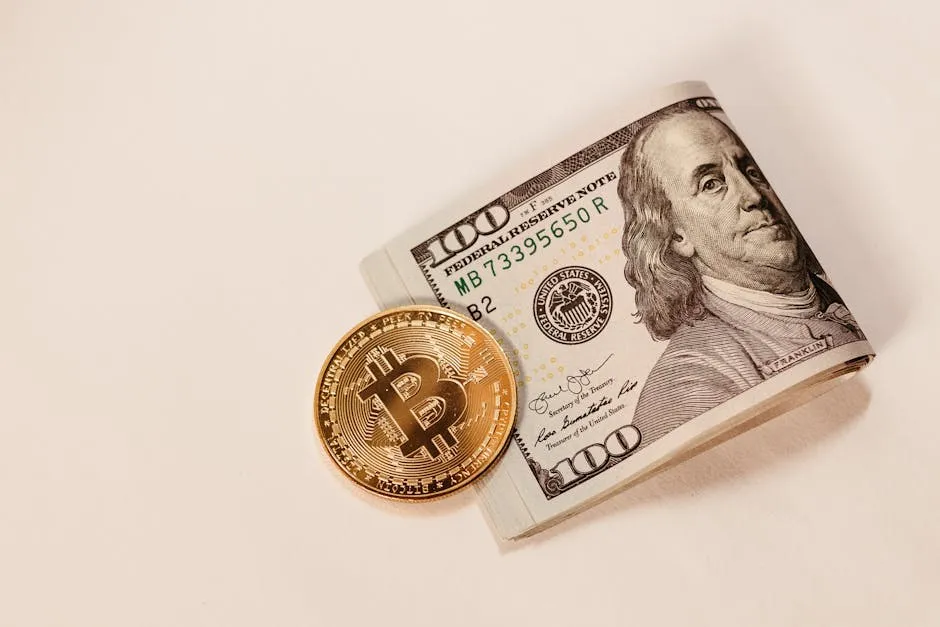
Bitcoin and other cryptocurrencies have emerged as potential solutions for those looking to safeguard their assets from inflation. Unlike traditional currencies, which can be printed at will by governments, Bitcoin operates on a fixed supply model. There will only ever be 21 million Bitcoins, making it a deflationary asset. This scarcity is what attracts many investors seeking a store of value that can withstand the pressures of inflation.
The Shift in Perspective
As we witness the last US penny being minted, it serves as a reminder of the limitations of our current financial system. The rising cost of producing such low-value coins exemplifies how inflation can render even the most basic forms of currency obsolete. In contrast, Bitcoin stands as a beacon of hope for savers. Its decentralized nature and resistance to inflation can provide a refuge for those worried about the future of their money.
Conclusion
In conclusion, the minting of the last US penny is not just a financial footnote; it is a wake-up call for savers everywhere. As inflation continues to erode the value of fiat currency, the importance of understanding alternative assets like Bitcoin becomes increasingly clear. For those looking to preserve their wealth in an uncertain economic environment, exploring cryptocurrencies may be a prudent step forward.
As we move towards a future where traditional currencies may lose their relevance, embracing innovations in finance and investing wisely could be the key to safeguarding our financial futures.