

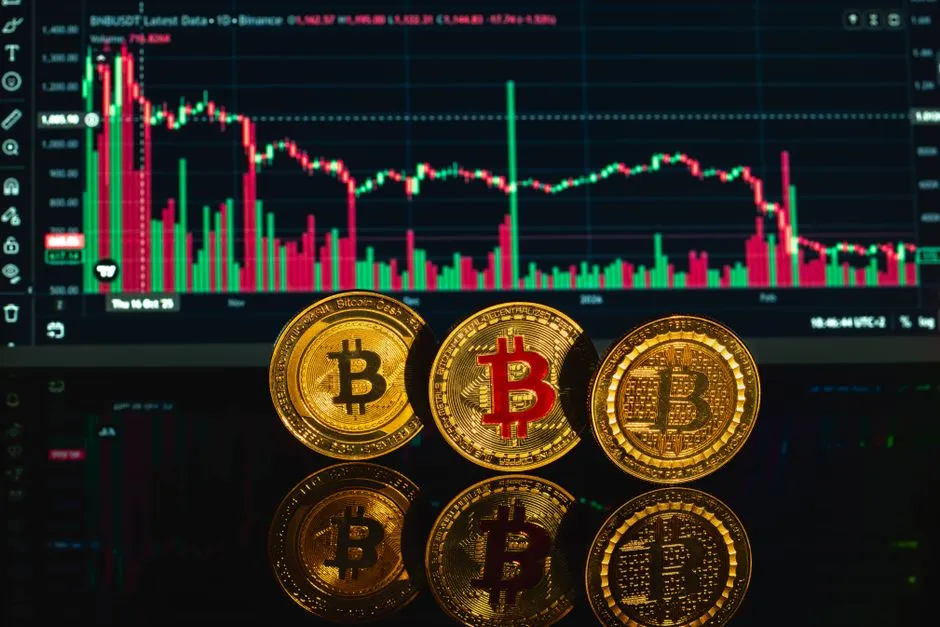
Bitcoin Falls to $68,000 as Investors Reassess Risk
Bitcoin has slipped toward the $68,000 level as investors respond to a shifting market environment marked by caution, profit-taking, and renewed excitement surrounding the potential initial public offering of artificial intelligence company Anthropic. The decline highlights how quickly capital can move between major investment themes when traders become more selective about risk.
Although the cryptocurrency’s drop occurred alongside weakness in technology-related markets, analysts do not see a direct connection between Nvidia and Bitcoin’s decline. Instead, they point to a broader change in investor positioning, with some market participants potentially redirecting capital toward fast-growing artificial intelligence opportunities and others reducing exposure to volatile assets altogether.
Why the Anthropic IPO Is Drawing Investor Attention
Anthropic has become one of the most closely watched companies in the artificial intelligence sector. Interest in a possible public listing reflects the enormous enthusiasm surrounding AI businesses, particularly those developing large language models and other advanced computing technologies.
When investors anticipate a major IPO, capital can begin moving before shares ever become available to the public. Venture investors, institutions, and traders may adjust their portfolios in preparation for the opportunity. In some cases, this can lead to reduced demand for other assets, including cryptocurrencies, high-growth stocks, and speculative technology investments.
This does not necessarily mean that money is moving directly from Bitcoin into Anthropic. The relationship is more indirect. Investor attention, available capital, and risk appetite are limited, and a highly publicized opportunity can influence how market participants allocate funds across their portfolios.
No Clear Nvidia-Bitcoin Connection
Nvidia remains a central company in the AI investment story because of its role in supplying the chips and computing infrastructure used by data centers and artificial intelligence developers. However, analysts have cautioned against treating Nvidia’s market performance as the primary explanation for Bitcoin’s latest decline.
The two assets can sometimes move in the same direction because both appeal to investors seeking exposure to growth and innovation. That correlation, however, is not fixed. Bitcoin is influenced by a different set of factors, including liquidity, interest-rate expectations, institutional demand, derivatives positioning, regulation, and overall sentiment toward risk.
As a result, a decline in Bitcoin should not automatically be interpreted as a reaction to Nvidia or the broader semiconductor industry. In this case, the more convincing explanation appears to be a combination of capital rotation and a wider risk-off move.
What a Risk-Off Market Means for Bitcoin
A risk-off environment develops when investors become more concerned about uncertainty and begin favoring assets perceived as safer or more stable. This can happen because of changing economic expectations, market volatility, geopolitical developments, interest-rate concerns, or fears that asset prices have risen too quickly.
During these periods, speculative assets often experience heavier selling pressure. Bitcoin, despite its growing institutional presence, is still widely viewed as a volatile investment. When traders reduce risk, they may sell cryptocurrency positions, lock in profits, or move into cash and other defensive holdings.
The effect can be especially pronounced when leveraged positions are involved. If Bitcoin falls through important technical levels, traders using borrowed funds may face margin calls or automatic liquidations. These forced sales can intensify a decline and create additional short-term volatility.
Key Factors Bitcoin Investors Are Watching
Bitcoin holders and prospective buyers will likely monitor several factors as the market attempts to determine whether the decline is temporary or part of a broader correction.
- Institutional demand: Continued interest from asset managers and large financial institutions could help support the market during periods of weakness.
- Liquidity conditions: Easier financial conditions may encourage investment in risk assets, while tighter liquidity can increase selling pressure.
- Interest-rate expectations: Changes in expectations for monetary policy can influence the appeal of both Bitcoin and technology stocks.
- Trading volume: A high-volume selloff may signal stronger conviction than a decline occurring on relatively light activity.
- Leverage levels: Excessive borrowing can make price movements sharper in either direction.
- Investor sentiment: Fear, uncertainty, and rapidly shifting narratives can drive short-term market behavior.
What the Decline Could Mean for the Broader Crypto Market
Bitcoin often sets the tone for the wider cryptocurrency market. When it falls sharply, traders may become more cautious about altcoins and other digital assets, many of which have smaller market capitalizations and lower liquidity. This can result in broader declines across the sector.
At the same time, a pullback does not automatically invalidate the long-term investment case for Bitcoin. Markets regularly move through periods of enthusiasm, consolidation, and correction. The important distinction is between a short-term reaction to changing sentiment and a fundamental deterioration in the factors supporting demand.
Investors should also avoid relying on a single headline to explain a complex market move. Bitcoin’s price is shaped by numerous overlapping forces, and the influence of any one factor can change quickly.
Looking Ahead
The immediate outlook for Bitcoin will depend on whether risk appetite returns or whether investors continue shifting capital toward more defensive positions and high-profile AI opportunities. Anthropic’s IPO momentum may continue to attract attention, but it is only one part of a much larger market picture.
For now, the move toward $68,000 serves as a reminder that Bitcoin remains highly sensitive to changes in liquidity, sentiment, and portfolio allocation. Traders may focus on price stability, trading volume, and signs of renewed demand before deciding whether the decline represents a buying opportunity or the beginning of a deeper correction.
Regardless of the next move, disciplined risk management remains essential. Bitcoin can offer significant upside, but its volatility means that investors should consider their time horizon, exposure size, and tolerance for losses before making decisions in an uncertain market.
Related read: Bitcoin Falls to $68,000 as Anthropic IPO Excitement Fuels a Broader Risk-Off Market
