Paraguay’s Cheap Power Became a Bitcoin Mining Magnet
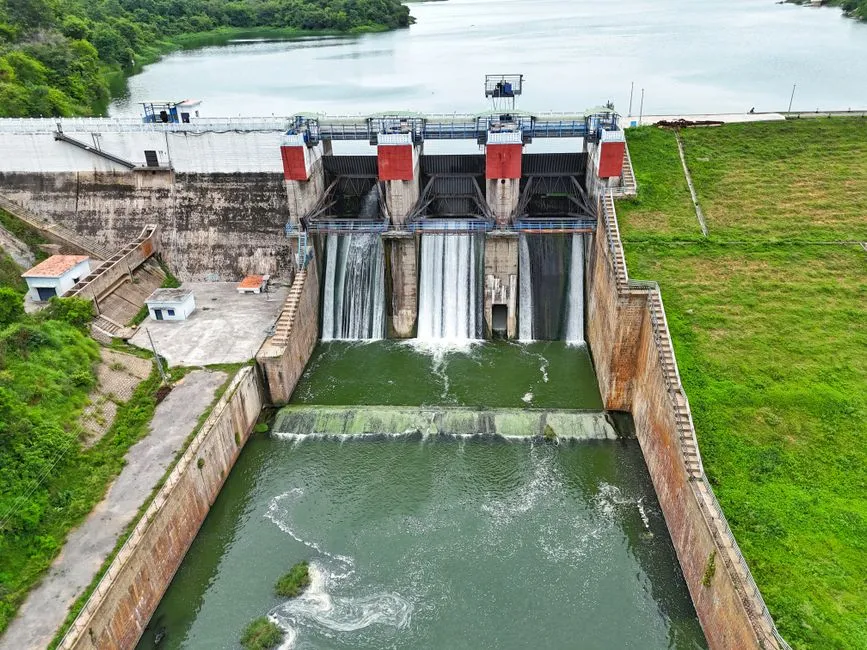
Paraguay has emerged as one of the world’s most attractive destinations for Bitcoin mining, thanks largely to its abundant electricity and relatively low power prices. For years, mining companies have taken advantage of contracts that provide electricity at approximately $44 per megawatt-hour, helping the country support a mining industry responsible for an estimated 4% of global Bitcoin production.
The arrangement has been financially significant for Paraguay. Bitcoin miners are estimated to contribute around $350 million annually through electricity payments, creating a valuable source of revenue for the country’s state-owned utility and supporting a growing digital-asset industry.
However, Paraguay’s position as a major Bitcoin mining hub may be entering a period of uncertainty. The contracts underpinning much of the industry are scheduled to expire on December 31, 2027. According to the state utility, that deadline is final, raising questions about whether miners will be able to secure similar rates or continue operating at the same scale.
AI Infrastructure Is Increasing Competition for Electricity
The changing outlook is closely connected to the rapid expansion of artificial intelligence. AI data centers require enormous amounts of electricity to operate advanced computing systems, and demand for these facilities has surged as companies invest in training and deploying increasingly powerful models.
Paraguay has now signed a 15-year agreement to supply electricity to an AI campus backed by Founders Fund. The deal highlights a major shift in how the country may choose to allocate its energy resources. Bitcoin mining can generate substantial electricity revenue, but AI infrastructure is often viewed as a longer-term technology investment that could bring additional data-center development, skilled jobs, and international attention.
For utilities and governments, the decision is not simply about which industry consumes more power. It is also about the value created by each customer, the length of the commitment, and the broader economic benefits associated with new infrastructure. A long-term AI contract may offer greater predictability than short-term or expiring mining agreements.
Why the 2027 Contract Deadline Matters
Electricity is one of the most important costs in Bitcoin mining. Mining machines operate continuously, and even small changes in power prices can significantly affect profitability. When energy costs rise, older or less efficient machines may no longer generate enough Bitcoin to cover electricity, maintenance, and operating expenses.
The expiration of the current agreements could therefore force miners to make difficult choices. Some may negotiate new contracts at higher rates, while others could reduce their operations, move equipment to another country, or invest in more efficient mining hardware. Companies that have built their business models around Paraguay’s current pricing will need to plan well before 2027.
The utility’s position also gives it leverage. If demand from AI companies continues to grow, Paraguay may have less incentive to offer heavily discounted electricity to Bitcoin miners. Miners could find themselves competing not only with other mining firms but also with data centers willing to sign much longer agreements.
What This Means for Paraguay’s Crypto Industry
Paraguay’s Bitcoin mining sector has brought meaningful economic activity, but its future will depend on how the country balances immediate revenue with strategic development. The industry has helped monetize the nation’s power resources and establish Paraguay as a recognizable player in the global crypto economy.
At the same time, concentrating large amounts of electricity in mining facilities can create policy challenges. Governments may want to encourage industries that produce jobs, attract technology investment, and support broader economic growth. AI campuses could appear more attractive if they bring additional businesses, research activity, telecommunications investment, and long-term employment.
That does not necessarily mean Bitcoin mining will disappear from Paraguay. Mining companies may remain competitive if they can demonstrate reliable operations, invest in highly efficient equipment, and offer contracts that provide stable demand for excess power. The industry could also adapt by focusing on periods when electricity supply is plentiful rather than competing directly for the same long-term capacity sought by AI operators.
A Broader Warning for Bitcoin Miners
Paraguay’s situation reflects a broader trend affecting the global Bitcoin mining industry. Energy is becoming increasingly valuable as data centers, cloud computing providers, and AI developers compete for access to reliable electricity. Mining companies that once benefited from low-cost power may face greater competition as governments prioritize other forms of digital infrastructure.
The lesson for miners is clear: access to cheap electricity cannot be treated as permanent. Contracts, regulatory policies, grid capacity, and national development priorities can all change. Companies must consider not only today’s power price but also the durability of their agreements and the possibility that another industry may offer utilities a more attractive long-term partnership.
The Road Ahead
By the end of 2027, Paraguay could look very different from the Bitcoin mining hub it is today. Miners may continue to play an important role, but AI infrastructure is already changing the value placed on electricity and long-term data-center investment.
For Paraguay, the challenge will be deciding how to balance the $350 million in annual mining revenue with the potential economic benefits of AI development. For Bitcoin miners, the country’s changing priorities serve as a reminder that energy strategy is just as important as hardware, market prices, and network difficulty. The competition for Paraguay’s power is only beginning, and AI may ultimately determine who gets access to it.
Related read: Metaplanet Reports $170 Million Loss as Bitcoin Sales and Valuation Declines Weigh on Earnings