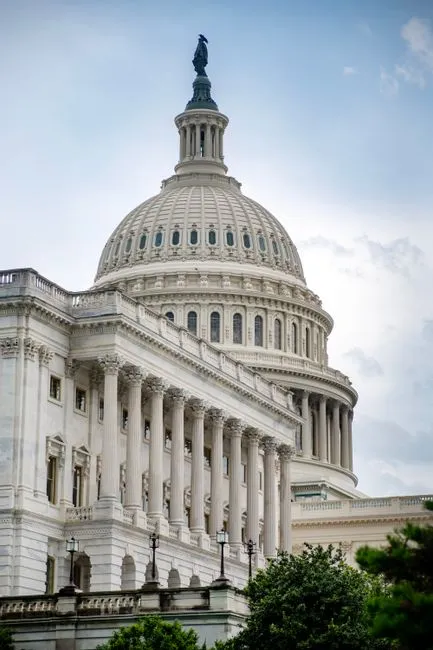
The U.S. Senate Banking Committee is moving quickly to review President Donald Trump’s nominees for the Securities and Exchange Commission, setting the stage for a potentially important hearing next week. The committee plays a central role in the confirmation process, making its response an early indication of how swiftly the administration’s picks could advance.
Although a committee hearing is only one step in the broader confirmation process, it can shape the direction of the debate surrounding the nominees. Senators are expected to examine the candidates’ professional backgrounds, regulatory philosophies, and views on the role of the SEC in overseeing financial markets.
Why the Senate Banking Committee Matters
The Senate Banking Committee is responsible for reviewing presidential nominees connected to banking, financial services, securities regulation, and other major areas of economic policy. Before SEC nominees can be considered by the full Senate, they generally must first receive scrutiny from the committee.
That review gives senators an opportunity to question nominees directly and assess whether they have the expertise and independence needed for the positions. It also allows members of the committee to raise concerns about proposed approaches to enforcement, investor protection, market structure, and corporate disclosure.
The committee’s decision to schedule the nominees for review so soon suggests that the confirmation process may become an early priority. A fast-moving schedule does not guarantee approval, but it can reduce delays and move the nominations toward a vote more efficiently.
Key Issues Likely to Shape the Hearing
SEC nominations often attract significant attention because the agency oversees a wide range of activities affecting investors, public companies, broker-dealers, exchanges, and other financial market participants. The nominees’ positions on several issues are therefore likely to receive close attention.
- Investor protection: Senators may ask how the nominees would protect retail investors and address misleading or incomplete information in the marketplace.
- Enforcement priorities: The hearing could explore whether the SEC should emphasize aggressive enforcement, clearer compliance guidance, or a different balance between the two.
- Market regulation: Committee members may question how the nominees would approach trading practices, public-company reporting, market transparency, and the structure of U.S. exchanges.
- Regulatory certainty: Businesses and financial institutions will likely be interested in whether the nominees support predictable rules and consistent implementation.
- Agency independence: Senators may also examine how the nominees would maintain the SEC’s institutional independence while carrying out the administration’s policy objectives.
Potential Impact on Financial Markets
Investors frequently watch SEC leadership changes because the agency’s priorities can influence market behavior and corporate decision-making. A new leadership team may alter the pace of rulemaking, enforcement actions, disclosure requirements, and guidance for regulated firms.
Markets do not always react immediately to a nomination hearing, but investors may look for clues about the direction of future policy. Comments from the nominees could provide insight into how the SEC might approach emerging financial products, technological developments, public listings, and the responsibilities of companies operating in highly regulated sectors.
For public companies, the confirmation process may also signal whether reporting and compliance expectations are likely to become more demanding or more flexible. Financial firms, meanwhile, may focus on any discussion of supervision, penalties, and the agency’s relationship with other regulators.
What Happens After the Hearing?
Following the hearing, committee members may submit additional questions or request further information from the nominees. The committee could then decide whether to advance the nominations to the full Senate. The timing of that next step can depend on committee deliberations, political negotiations, and the level of support each nominee receives.
Even when a nominee has broad backing, the process can involve significant debate. Senators may use the hearing to highlight concerns about regulatory policy, question the administration’s broader economic agenda, or seek commitments on issues affecting their constituents and financial markets.
A Closely Watched Early Test
The committee’s rapid decision to place President Trump’s SEC nominees on the agenda makes the upcoming hearing an important early test for the administration’s financial regulatory priorities. It will also offer investors, companies, and market professionals a first opportunity to evaluate the nominees’ views in a public setting.
As the hearing approaches, attention will likely center on the candidates’ qualifications, their approach to enforcement and investor protection, and the extent to which they plan to pursue regulatory change. The committee’s review may be only the beginning of the confirmation process, but it could establish the tone for the SEC’s future direction and the administration’s relationship with the financial sector.
Related read: Bitcoin Treasury Firm Nakamoto Faces $165 Million Kraken Debt as BTC Holdings Lose Value