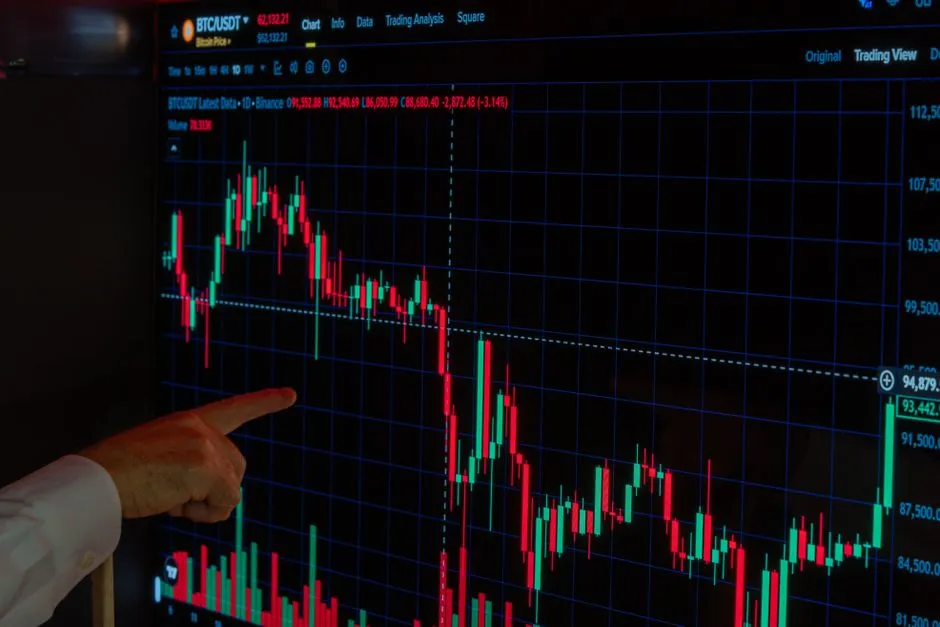
Bitcoin exchange-traded funds are experiencing a sharp reversal in investor demand, with total net outflows for the year now exceeding $1.5 billion. The rapid redemptions have added pressure to an already fragile market and helped push Bitcoin’s spot price below $70,000 on Friday, its lowest level since August.
For investors, the move represents more than a routine pullback. Spot Bitcoin ETFs were widely viewed as a major bridge between traditional finance and the cryptocurrency market. Their strong early demand helped support Bitcoin’s price and contributed to the broader narrative that institutional participation could reduce volatility over time. The recent wave of withdrawals, however, shows that ETF investors remain highly sensitive to market conditions, interest-rate expectations, and changes in risk appetite.
Why Bitcoin ETF Outflows Matter
Spot Bitcoin ETFs hold Bitcoin directly, allowing investors to gain exposure through traditional brokerage accounts rather than using a cryptocurrency exchange or managing digital wallets themselves. When investors purchase shares of these funds, the fund providers generally need to acquire Bitcoin to support the new shares. Conversely, when investors redeem shares, the funds may need to sell Bitcoin or reduce their holdings.
That relationship makes ETF flows an important market indicator. Sustained inflows can signal strong demand and create an additional source of buying pressure. Large outflows can have the opposite effect, particularly when they occur during a period of weak sentiment and declining prices.
The latest figures suggest that redemptions have accelerated quickly. While a single day of outflows does not necessarily indicate a lasting trend, a series of withdrawals can affect market psychology. Investors may interpret persistent redemptions as evidence that institutional demand is weakening, which can encourage further selling from traders and short-term holders.
Bitcoin Drops Below $70,000
Bitcoin’s decline below $70,000 marked a significant psychological and technical event. Round-number price levels often attract considerable attention because they are used by both retail and professional traders as reference points. Once a major threshold is broken, stop-loss orders and additional profit-taking can intensify the move.
The fall also brought Bitcoin to its lowest price since August, highlighting the scale of the recent weakness. Bitcoin markets are known for sharp price swings, but declines can become especially pronounced when several factors align: reduced ETF demand, cautious macroeconomic expectations, declining trading activity, and a broader move away from riskier assets.
Still, the price drop should be viewed in context. Bitcoin has historically experienced substantial corrections even during longer-term bullish cycles. A decline below a widely watched level does not, by itself, confirm that a new long-term bear market has begun. Investors will likely focus on whether Bitcoin can stabilize, recover key price areas, and attract renewed ETF demand in the coming weeks.
What Is Driving the Redemptions?
Several forces may be contributing to the recent outflows. First, investors who entered earlier in the year may be locking in profits or reducing exposure after a period of strong performance. ETF ownership makes this process easier because shares can be sold through ordinary investment accounts during regular market hours.
Second, changing expectations around interest rates can influence demand for Bitcoin and other speculative assets. When investors expect higher rates or tighter financial conditions, they may shift toward cash, bonds, or defensive equities. Bitcoin, despite its growing institutional presence, is still often treated as a high-volatility asset and can react quickly to changes in liquidity expectations.
Third, market sentiment can become self-reinforcing. Falling prices may lead investors to delay new purchases, while existing holders become more inclined to exit. The resulting outflows can create further selling pressure, which then reinforces concerns about the market’s direction.
ETF Flows Are Important, but Not the Only Factor
Although Bitcoin ETF flows are closely watched, they are only one part of the market structure. Bitcoin’s price is also influenced by futures positioning, options activity, cryptocurrency exchange balances, mining economics, global liquidity, regulatory developments, and investor behavior outside the ETF market.
For example, a period of ETF outflows could be offset by stronger demand from direct buyers, companies, long-term holders, or international markets. Likewise, ETF inflows may not always lead to immediate price gains if sellers elsewhere in the market are distributing large amounts of Bitcoin.
This is why investors should avoid treating daily flow data as a standalone trading signal. A more useful approach is to examine the trend over several weeks and compare it with price action, trading volume, and broader economic conditions.
What Investors May Watch Next
The next stage of the market will likely depend on whether redemptions slow and whether Bitcoin can establish support after falling below $70,000. A stabilization in ETF flows could help rebuild confidence, particularly if it is accompanied by improving liquidity and stronger spot-market demand.
Investors may also watch whether the funds begin recording consecutive days of net inflows. A shift from heavy withdrawals to steady buying would not guarantee an immediate recovery, but it could suggest that institutional investors are becoming more comfortable with current prices.
On the other hand, continued outflows combined with additional breaks below support levels could keep pressure on Bitcoin. In that scenario, volatility may remain elevated as traders reassess valuations and risk exposure.
The Bigger Picture for Bitcoin ETFs
The recent withdrawals do not erase the importance of spot Bitcoin ETFs. These products have changed how many investors access the cryptocurrency market and have made Bitcoin easier to include in diversified portfolios. However, their performance also demonstrates that institutional access does not eliminate volatility. ETF investors can sell quickly when market conditions change, just as they can buy during periods of optimism.
The $1.5 billion in annual net outflows is therefore both a market warning and a reminder of how sentiment-driven Bitcoin remains. Strong products and expanded access can attract capital, but demand can reverse rapidly when investors become cautious.
For now, the key questions are whether Bitcoin can hold above important support zones, whether ETF redemptions begin to ease, and whether broader financial conditions become more favorable for risk assets. Until those signals improve, investors should expect continued volatility and evaluate Bitcoin exposure according to their individual risk tolerance and investment horizon.
Related read: Kalshi and Donald Trump Jr. End Advisory Relationship After Polymarket Investment