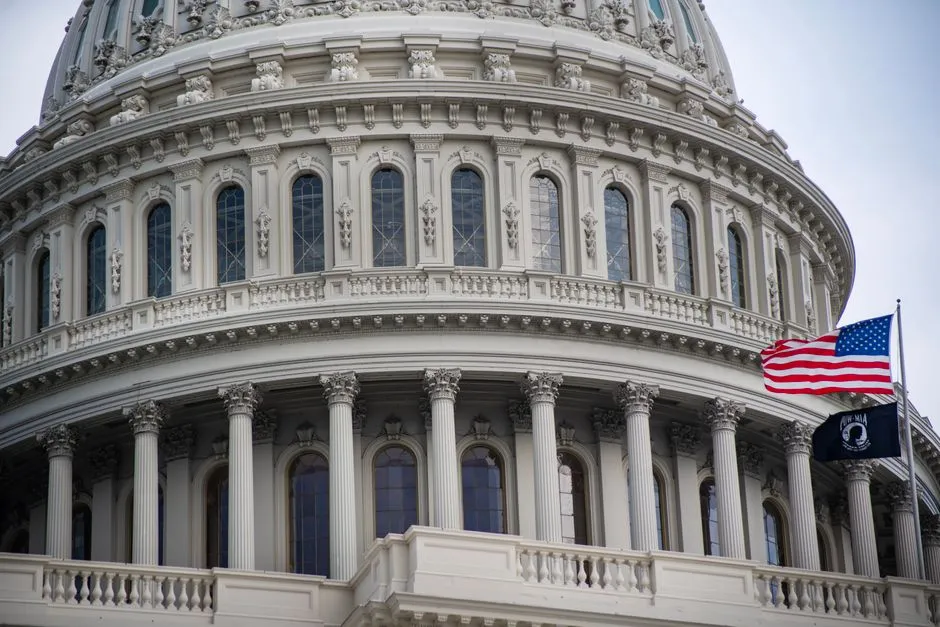
The CLARITY Act is facing a new political test after Democrats took control of Congress. For the cryptocurrency industry, the shift could determine whether the bill moves forward unchanged, undergoes major revisions, or becomes part of a broader debate over consumer protection, market oversight and government ethics.
The legislation has attracted attention because it seeks to bring greater clarity to the rules governing digital assets. However, regulatory clarity does not mean the same thing to every stakeholder. Crypto companies generally want predictable definitions and a clear division of authority between regulators. Democratic lawmakers may be more focused on preventing consumer harm, improving transparency and ensuring that new rules do not create loopholes for poorly supervised financial activity.
Why the CLARITY Act Matters
One of the crypto sector’s longest-running complaints is that the rules for digital assets remain difficult to interpret. Projects, exchanges and investors often face uncertainty over how different tokens should be classified and which federal agency has jurisdiction over them.
The CLARITY Act is designed to address some of that uncertainty by establishing a more structured framework for digital asset markets. Its supporters argue that clearer legislation could help responsible businesses operate with greater confidence, encourage innovation in the United States and reduce the need for companies to rely on enforcement actions or informal guidance.
For investors, a more defined framework could also make it easier to understand the risks associated with buying and trading digital assets. Clearer standards may help distinguish between legitimate market activity, speculative products and projects that fail to provide adequate information.
A Democratic Majority Could Change the Bill’s Priorities
With Democrats controlling Congress, the CLARITY Act is likely to face closer scrutiny over how effectively it protects consumers and limits conflicts of interest. Lawmakers may seek stronger requirements related to disclosures, custody, market surveillance and the treatment of customer assets.
Consumer protection could become one of the most important areas of negotiation. A revised bill may need to address what happens when a crypto platform becomes insolvent, how customer funds are separated from company assets and what information trading platforms must provide before listing a token.
Democratic lawmakers may also examine whether the proposed framework gives digital asset firms too much flexibility. While the industry is seeking rules that do not suppress innovation, regulators and consumer advocates may argue that flexibility without strong oversight could expose ordinary users to manipulation, fraud and excessive risk.
Ethics and Political Influence Will Be Part of the Debate
The politics surrounding crypto regulation extend beyond technical questions about securities, commodities and digital markets. Ethics may also become a central issue as lawmakers assess the relationship between public officials, private companies and influential figures within the crypto industry.
Questions about lobbying, campaign contributions, personal investments and potential conflicts of interest can shape how the public views the legislation. Even provisions that are broadly supported could attract criticism if lawmakers believe the process has been influenced too heavily by industry interests.
As a result, the crypto sector may be asked to accept stronger transparency standards as part of any agreement. These could include more detailed disclosures, tougher controls on insider trading and clearer restrictions on activities that create conflicts between platform operators and their customers.
What the Crypto Industry May Need to Concede
The industry may not be able to secure every provision it originally wanted. To preserve the bill’s broader goals, crypto companies could be required to accept a more demanding compliance structure than expected.
- Stronger consumer safeguards: Platforms may face greater responsibility for protecting customer assets and disclosing risks.
- Tighter market oversight: Exchanges and other intermediaries could be subject to enhanced monitoring and reporting requirements.
- More transparency: Token issuers may need to provide clearer information about ownership, governance, supply and financial interests.
- Greater accountability: Companies could face more direct consequences for misleading users or failing to maintain adequate controls.
These concessions could increase operating costs, particularly for smaller businesses. However, supporters may argue that stronger standards would benefit the industry over time by improving trust and reducing the damage caused by high-profile failures.
Possible Outcomes for the CLARITY Act
Several outcomes are possible. Congress could advance a revised version of the bill with stronger consumer and ethics provisions. Lawmakers could also delay the legislation while they negotiate disagreements over regulatory authority and enforcement powers. A third possibility is that the bill becomes part of a larger financial reform package rather than moving independently.
The final result will depend on whether lawmakers can find common ground between innovation and oversight. Crypto advocates will likely push for rules that prevent regulatory agencies from applying inconsistent standards. Democrats, meanwhile, may insist that clarity must be accompanied by meaningful accountability.
What Investors and Businesses Should Watch
Investors should pay attention to changes involving custody protections, token classifications, exchange registration and enforcement authority. These details could have a direct effect on which digital asset businesses are able to operate and how certain products are offered to the public.
Businesses should also prepare for the possibility that compliance expectations will rise even if the CLARITY Act advances. Companies that maintain accurate records, disclose risks clearly and separate customer funds from corporate assets will be better positioned under almost any future regulatory framework.
The political shift in Congress does not necessarily end the CLARITY Act’s prospects, but it does change the terms of the debate. The bill’s future will depend on whether its supporters can demonstrate that regulatory clarity will not come at the expense of consumer safety. For the crypto industry, the path forward may require accepting more oversight in exchange for the legal certainty it has been seeking for years.
Related read: Bitcoin Reclaims $76,000 as Crypto ETFs Lose $430 Million Amid Tech Market Rout