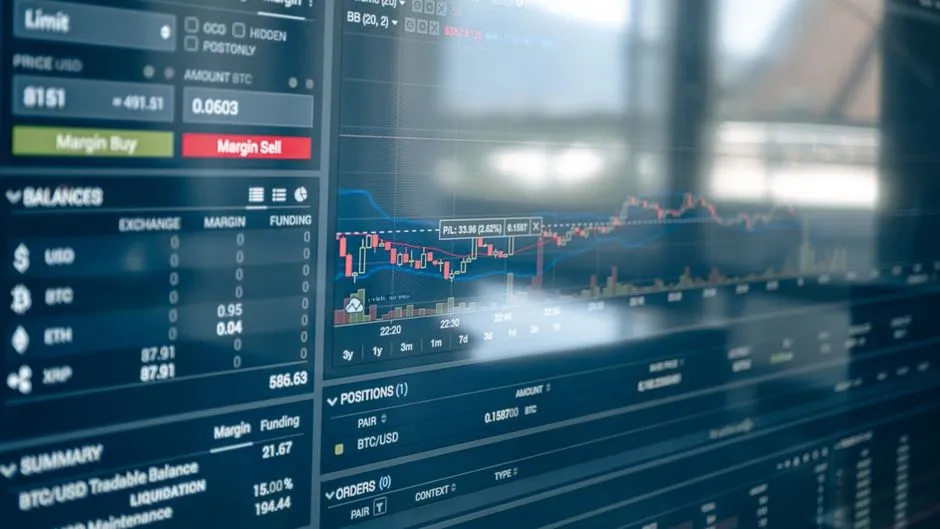
Cryptocurrency markets faced a sharp bout of volatility after reports of a $6.3 billion hack involving Binance sent Bitcoin and Ether lower, triggering a wave of forced liquidations across the derivatives market. Total crypto futures liquidations climbed to approximately $1.57 billion as leveraged traders rushed to reduce exposure or saw their positions automatically closed.
Bitcoin was trading near $77,350 during the sell-off, reflecting renewed pressure across the broader digital asset market. While the decline was significant, the most immediate impact was felt among traders using borrowed funds. When prices move quickly against leveraged positions, exchanges can automatically liquidate those trades to prevent losses from exceeding the collateral deposited by the trader.
Why the Binance Hack Sparked a Market Reaction
Security incidents involving major cryptocurrency platforms often have an outsized effect on market sentiment. Binance is one of the most widely used names in the digital asset industry, so reports of a large-scale breach can raise concerns about exchange security, fund availability, and the stability of trading infrastructure.
The reported $6.3 billion loss intensified selling pressure in Bitcoin and Ether as investors reassessed risk. Even traders who were not directly exposed to the incident may have reduced their positions to protect capital. In highly connected markets, this kind of reaction can spread quickly from one asset to another, particularly when prices are already extended or trading volumes are elevated.
It is important to distinguish between reported losses, confirmed on-chain movements, and final estimates. Large figures can sometimes include the estimated value of stolen assets, affected balances, or broader market losses rather than a direct withdrawal of customer funds. Investors typically wait for official statements, blockchain analysis, and exchange disclosures before drawing firm conclusions.
How Crypto Futures Liquidations Work
The $1.57 billion liquidation figure highlights the risks associated with leveraged trading. In a futures position, traders can control a larger amount of an asset than the cash they have deposited. Leverage can increase gains when a trade moves in the expected direction, but it also magnifies losses when prices turn against the position.
For example, a trader using high leverage may only need Bitcoin to fall a few percentage points before the exchange closes the position. Once a liquidation threshold is reached, the platform sells or buys assets automatically, depending on whether the trader held a long or short position.
- Long liquidations: These occur when traders betting on higher prices are forced out after the market declines.
- Short liquidations: These happen when traders expecting a fall are caught off guard by a sudden rally.
- Liquidation cascades: Forced trades can accelerate price movements, causing additional positions to reach their liquidation levels.
During the latest market move, the scale of liquidations indicated that many traders had positioned for continued strength. As Bitcoin and Ether weakened, those long positions were closed, adding further selling pressure to the market.
Bitcoin and Ether Remain Sensitive to Sentiment
Bitcoin trading near $77,350 shows that the leading cryptocurrency remained at a relatively high level despite the sudden shock. However, price strength alone does not eliminate short-term risk. Digital assets can experience rapid swings when news events, leverage, and thin liquidity combine.
Ether was also pressured as investors moved away from riskier positions. Although Bitcoin and Ether have different technical and fundamental characteristics, they often trade in the same broad direction during periods of market stress. A major security incident can therefore affect the entire sector, including decentralized finance tokens, exchange-related assets, and smaller cryptocurrencies.
What Traders Should Watch Next
Market participants will likely focus on several factors as the situation develops. The first is whether Binance provides a detailed explanation of the incident and confirms the status of customer funds. The second is whether blockchain investigators can verify the movement of the reported assets. The third is whether liquidation activity begins to slow.
A reduction in liquidations could suggest that the most heavily leveraged positions have already been cleared. On the other hand, continued volatility may indicate that traders remain overexposed or that uncertainty is still spreading through the market. Trading volume, open interest, funding rates, and stablecoin flows may offer additional clues about whether investors are rebuilding positions or remaining cautious.
Risk Management Becomes Especially Important
The latest liquidation wave is a reminder that leverage can turn an ordinary market decline into a major account loss. Traders should understand their liquidation price, use position sizes appropriate for their risk tolerance, and avoid assuming that a major cryptocurrency will always recover quickly after a sell-off.
Security events also reinforce the importance of evaluating where digital assets are held. Exchange users may consider the platform’s security record, withdrawal procedures, proof-of-reserves disclosures, and the risks associated with leaving large balances online. No single measure removes all risk, but informed decisions can reduce unnecessary exposure.
The Binance incident and resulting $1.57 billion liquidation wave demonstrate how quickly fear can move through crypto markets. Bitcoin and Ether may remain volatile while investors seek clarity, and traders will be watching official updates closely. For now, the episode serves as both a market warning and a practical lesson: in a highly leveraged environment, sudden news can affect not only prices but also the survival of individual trading positions.
Related read: Crypto Today: Key Trends Shaping Bitcoin, DeFi, Web3, and Regulation