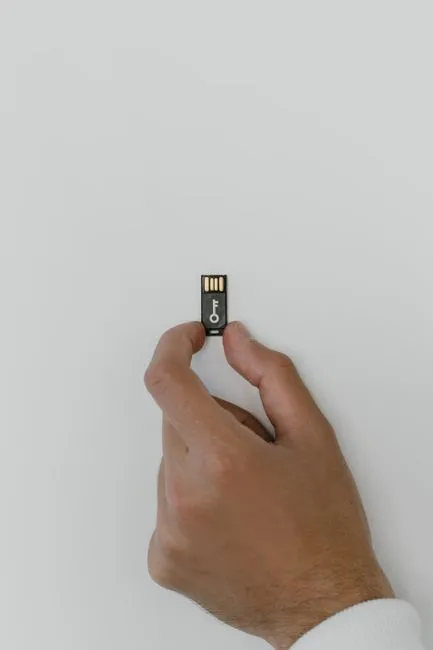
Tampered Ledger Devices Appeared in Singapore Before the Story Broke
Reports from Singapore suggest that tampered Ledger devices began appearing in the country on September 10, weeks before the wider public learned about the issue. The development has raised fresh questions about the security of cryptocurrency hardware wallets, the speed of incident reporting, and the challenges authorities face when tracking suspected tampering across borders.
According to Singapore police, the first signs of compromised or altered Ledgers were identified locally on September 10. The information became significant because it reportedly surfaced before news of the broader incident reached the public. While the available details remain limited, the timeline indicates that suspicious devices may have been circulating for some time before users and the wider crypto industry were fully alerted.
Why Tampered Hardware Wallets Are a Serious Concern
Hardware wallets are widely used by cryptocurrency holders who want to keep private keys away from internet-connected devices. In principle, this type of wallet can reduce exposure to malware, phishing attacks, and online account breaches. However, the security of a hardware wallet depends not only on its software but also on the integrity of the device itself.
A tampered wallet can create risks before a user even begins using it. Alterations may affect the device’s firmware, packaging, recovery process, or other components involved in generating and protecting private keys. If a user receives a compromised product and follows what appears to be a normal setup procedure, sensitive information could potentially be exposed without obvious warning signs.
This is why buyers are generally advised to purchase hardware wallets through official channels, inspect packaging carefully, verify device authenticity, and avoid entering recovery phrases into websites, mobile applications, or messages that request them. A recovery phrase should be treated as the master key to a wallet and should never be shared with another person.
The Importance of the September 10 Timeline
The reported September 10 sightings in Singapore are important because they may help establish when affected devices began circulating in the region. Early reports can assist investigators in identifying distribution routes, affected retailers, and common characteristics shared by suspicious products.
They can also help determine whether the problem was isolated or part of a broader supply-chain issue. Investigators may need to examine how devices were obtained, where they were shipped, whether packaging was altered, and whether users received unusual instructions during setup. These details can be crucial in separating isolated scams from coordinated attempts to target cryptocurrency holders.
For users, the delay between the first reported sightings and public awareness highlights the importance of maintaining healthy skepticism. Security warnings do not always reach every customer immediately, particularly when an investigation is still developing. Crypto holders should therefore treat unexpected requests, unusual device behavior, and unsolicited support messages as potential warning signs.
South Korea’s Crypto Tax Debate Continues
The Asia-Pacific crypto landscape is also being shaped by regulatory uncertainty in South Korea. Lawmakers there appear likely to delay the country’s cryptocurrency tax law for a fourth time, extending a period of uncertainty for investors, exchanges, and financial advisers.
Repeated postponements can make it difficult for market participants to plan. Investors may be unsure how future gains will be treated, while exchanges and financial platforms may have to prepare for rules that could change again before implementation. The delays also reflect the challenge governments face when attempting to regulate a rapidly evolving market without discouraging legitimate innovation.
Crypto taxation is not simply a question of setting a rate. Authorities must also define how gains are calculated, how losses are handled, how transactions across multiple platforms are tracked, and what reporting responsibilities apply to investors and service providers. These practical details can take considerable time to develop, especially in markets where digital assets are actively traded.
What Crypto Users Should Do Now
- Buy hardware wallets from trusted sources: Avoid unverified marketplaces and secondhand sellers.
- Inspect packaging and device condition: Look for broken seals, unexpected labels, or signs that a product has been opened.
- Use official setup instructions: Be cautious of instructions sent through social media, private messages, or unfamiliar websites.
- Protect the recovery phrase: Store it offline and never photograph, email, or upload it to cloud storage.
- Monitor official security announcements: If a device appears suspicious, stop using it until its authenticity can be verified.
- Keep accurate transaction records: Clear records can make it easier to respond to future tax and reporting requirements.
A Broader Lesson for the Crypto Industry
The Singapore reports and South Korea’s tax delays point to two different but connected realities in digital assets. On one side, users continue to face highly technical security threats that can begin before a product reaches their hands. On the other, regulators are still working to create practical frameworks for an industry that changes faster than traditional policymaking processes.
For now, caution remains one of the strongest defenses available to crypto users. Verifying devices, protecting recovery phrases, following credible security updates, and maintaining thorough financial records can reduce unnecessary risk while investigations and regulatory discussions continue. The reported Ledger incidents serve as a reminder that cryptocurrency security involves more than protecting an online account—it also requires paying attention to the physical products, supply chains, and procedures behind digital asset ownership.
Related read: Public Companies Have Doubled Their Slice of Blockchain Revenue Since 2022, Report Finds