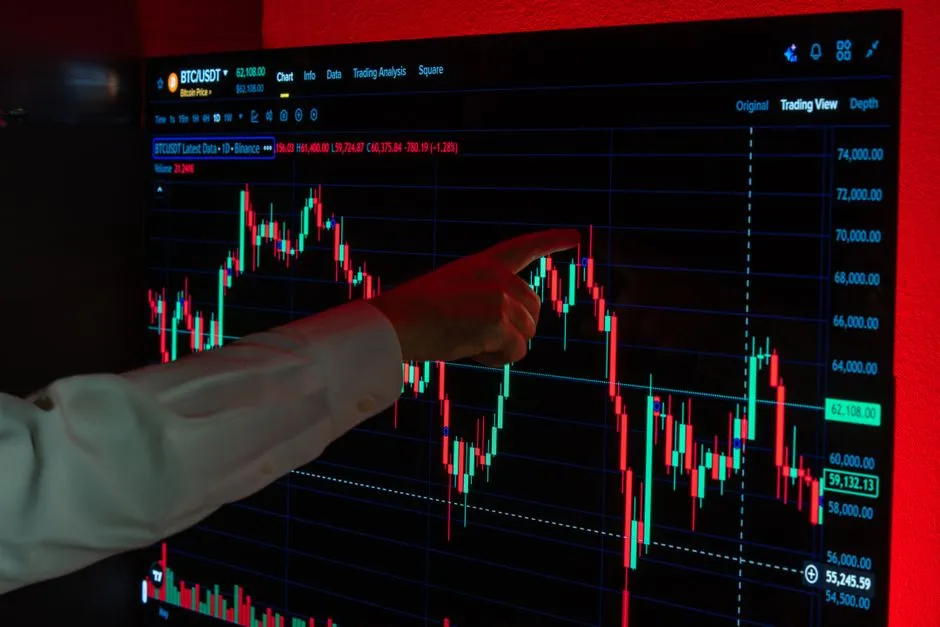
Bitcoin has rebounded to a key level that has been on traders’ radar in recent sessions, rising above $81,000 as risk appetite improved across global markets. The move came as Asian semiconductor and chip-related stocks posted a strong rally, reminding investors once again that crypto assets rarely move in isolation. When momentum builds in high-beta technology names, crypto often follows, particularly when liquidity improves and sentiment shifts toward growth and speculative assets.
The latest price action saw Bitcoin trade above $81,400, a level that helped confirm a short-term recovery after earlier weakness. For many market participants, that move was not just a crypto-specific event. It reflected a broader risk-on tone, with investors rotating back into assets that tend to perform well when economic data looks constructive, equity markets stabilize, and speculative appetite returns.
Why Bitcoin moved above $81,000
The rebound above $81,000 is significant because that area has often acted as a battleground between bulls and bears. When Bitcoin can hold above that threshold, it can help improve market structure and encourage traders to reassess their positions. In simpler terms, a successful move above a known resistance zone can attract momentum buyers, reduce short-term uncertainty, and create a more favorable setup for continued upside.
That said, the move was not happening in a vacuum. It was supported by a broader market environment where investors were more willing to take risk. When equity markets rally, especially in technology-heavy regions, crypto often benefits from the same sentiment. Bitcoin, in particular, has increasingly been treated as a macro-liquid asset, meaning it can react to the same forces that move growth stocks, tech indices, and speculative markets.
Asian chip stocks and the crypto spillover
One of the clearest drivers behind the latest risk mood was the strength seen in Asian chip stocks. Semiconductor and AI-related names have become some of the most watched sectors in global markets, and when they rally, it often signals that investors are comfortable with higher-risk, higher-reward assets. That is exactly the environment where crypto tends to thrive.
The connection is not always direct, but it is real. Strong chip stocks can reflect optimism about AI, cloud computing, data centers, and the broader technology economy. When that optimism spreads, it can lift sentiment across the market. Crypto, which has long been associated with innovation, digital infrastructure, and speculative growth, can benefit from that same narrative.
For traders watching the tape, the Asian session often sets the tone for the day. If chip stocks are strong early, it can help remove some of the fear that may have weighed on crypto during the previous session. In this case, the spillover was visible: as equity risk improved, Bitcoin found support and pushed back above the psychologically important $81,000 level.
What this means for broader risk sentiment
The broader takeaway is that crypto is increasingly trading in line with global risk sentiment. That means Bitcoin is not just moving on its own fundamentals, but also on macro conditions, equity market tone, and the behavior of other correlated assets. When chip stocks rally, it can suggest that investors are not in defensive mode. Instead, they are looking for places to deploy capital into assets with higher upside potential.
That matters because crypto markets can be volatile, but they are also highly sensitive to liquidity and confidence. When the broader financial system looks more optimistic, speculative assets often gain steam. When confidence fades, they tend to suffer. In the latest move, the message from Asian tech and chip names was clearly one of improved appetite for risk.
Pepe jumps 9% as memecoin interest returns
While Bitcoin led the major move, the rally also had a noticeable effect in the memecoin corner of the market. Pepe, the frog-themed token, jumped about 9% as traders chased higher-beta opportunities. This is a familiar pattern: when risk appetite improves, attention often flows not only into Bitcoin but also into smaller, more volatile tokens that can move quickly on sentiment alone.
Pepe has long been one of the most recognizable memecoins, and it often benefits when broader crypto sentiment turns positive. Its move was not necessarily driven by a single project-specific catalyst, but rather by the improved market tone and the fact that traders were again looking for outsized gains in the speculative side of the market.
That is one of the defining features of memecoins. They can be highly correlated with market mood, and when investors feel confident, these tokens can attract fast flows of capital. In a risk-off environment, they tend to fade. In a risk-on session, they can become some of the most active names in the crypto market.
What to watch next
The next steps for Bitcoin will depend on whether the rebound can hold. If price remains above $81,000 and risk sentiment stays constructive, the move could gain more momentum. If, however, the strength in Asian chip stocks fades or broader markets wobble, crypto could once again come under pressure.
For now, the latest session is a useful reminder that Bitcoin does not trade in a silo. It is influenced by macro flows, equity market behavior, and the same risk appetite that drives speculative assets around the world. The rise above $81,000, paired with the strength in Asian chip stocks and the pop in memecoins like Pepe, points to a market that is at least temporarily more willing to take chances again.
In short, this was not just a Bitcoin story. It was a broader risk-on story with crypto at the center, showing once more how closely digital assets can move with the mood of the wider financial system.
Related read: DTCC Unit Launches Tokenization Services: A Practical Path for Tokenized Securities