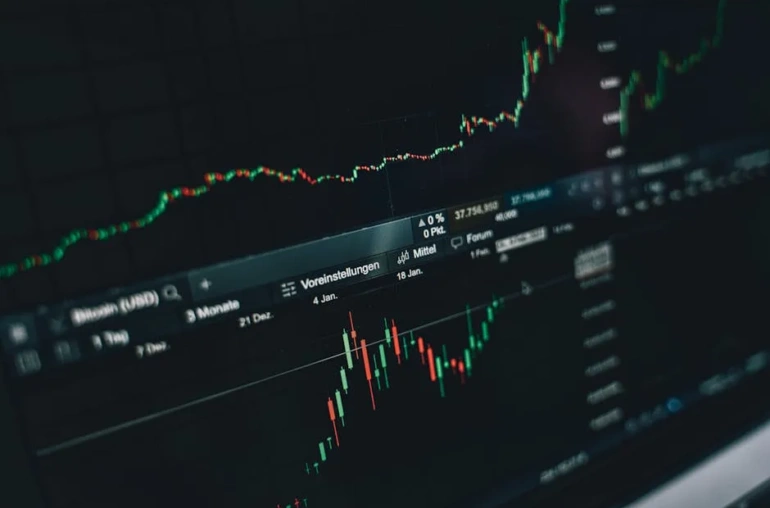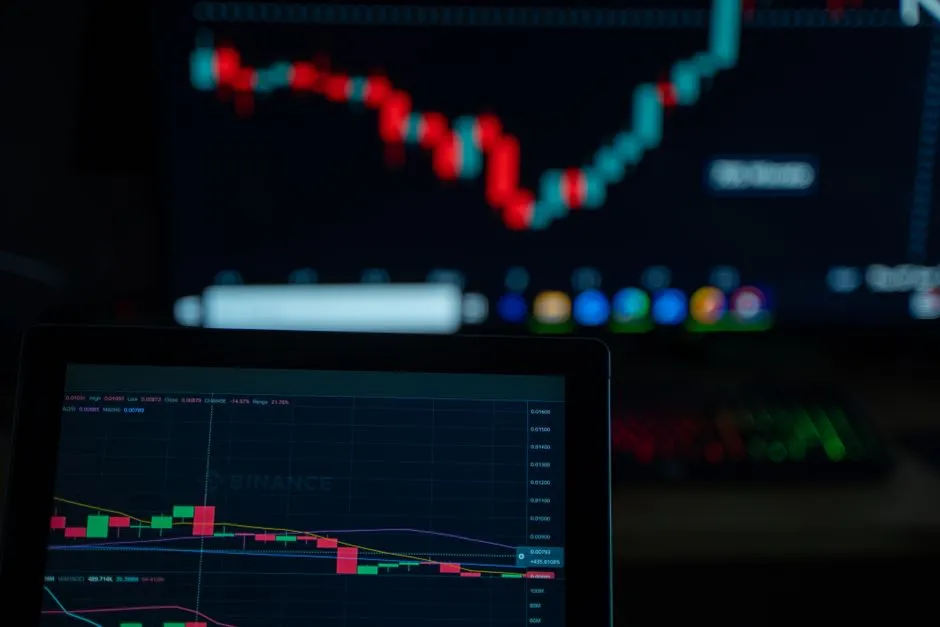
The crypto market is heading into October 27, 2026, with a mood that is less about excitement and more about caution. Bitcoin, which has long served as the market’s gravitational center, appears to be showing signs of weakness at a moment when traders are searching for the next meaningful directional move. At the same time, Ripple’s recent win involving a bank partnership has not delivered the XRP rally many had hoped for. Together, these two developments highlight a broader theme in today’s digital asset market: headlines alone are not enough to sustain price strength.
Why Bitcoin’s Softness Matters
Bitcoin remains the benchmark asset for much of the crypto economy. When it shows weakness, the effect tends to ripple outward. Altcoins often follow, liquidity can thin out, and risk appetite may cool as traders become more selective about where they deploy capital. In many cases, a weaker Bitcoin price action does not instantly signal a full-blown bear market, but it does suggest that buyers are not aggressive enough to push prices higher with confidence.
For traders, this type of environment often brings a few common dynamics. First, momentum traders may step aside, waiting for clearer signals before committing. Second, holders may become more defensive, tightening stops or reducing exposure. Third, the market may become more sensitive to macroeconomic data, regulatory headlines, and shifts in institutional positioning. In other words, when Bitcoin is not leading, the broader market tends to trade more sideways and more nervously.
The XRP Challenge: A Strong Headline Without a Strong Reaction
Ripple’s bank win is a significant development in its own right. For a company that has spent years fighting legal uncertainty and working to prove its relevance in financial infrastructure, any credible bank partnership can be viewed as a meaningful milestone. It suggests that Ripple’s technology and compliance framework are being taken seriously by traditional financial institutions.
Yet the XRP market reaction tells a different story. The fact that the news failed to bolster the token in a meaningful way points to a few important realities. One is that positive news may already have been partially priced in. Markets often move ahead of headlines, especially when speculation has already built up around a potential announcement. Another factor is investor skepticism. Even when a company signs a high-profile partnership, traders often ask the more difficult questions: How large is the deal? What is the real utility? Will it drive meaningful token demand, or is it more symbolic than operational?
This is not unusual for XRP. The token has often moved on headlines, legal developments, and regulatory clarity, but those moves have not always translated into sustained upside. In many cases, XRP rallies quickly on optimism and then fades when there is not enough fresh demand to support the move. That pattern can be frustrating for holders, but it also reflects a market that has become more demanding and less easily impressed by narrative alone.
What This Means for the Broader Crypto Market
The combination of Bitcoin weakness and XRP’s muted response to good news suggests that the market may be in a phase of consolidation rather than expansion. In such phases, traders often focus less on moonshot narratives and more on structure, liquidity, and risk management. It is a time when patience can matter more than speed.
There are several factors that could shape the next move. The first is Bitcoin dominance. If Bitcoin continues to weaken while altcoins also fail to lead, it may point to broader risk-off behavior. If, however, altcoins start outperforming, that could indicate a rotation in which traders are seeking higher-risk opportunities. The second factor is liquidity. Thin trading conditions can amplify moves in both directions, making the market more unpredictable even when the news flow appears calm.
The third factor is institutional behavior. In today’s crypto market, large players are not just speculators; they are also treasuries, funds, banks, and long-term investors. Their positioning can matter just as much as retail sentiment. If institutional participation slows, price action may struggle to break out of range-bound conditions. If participation increases, even modest positive news could gain more traction.
What Traders Should Watch
As the market moves forward, there are a few areas worth monitoring closely:
- Bitcoin price structure: Whether Bitcoin can stabilize and reclaim key levels will likely determine the tone for the broader market.
- Altcoin performance: If XRP and other high-profile tokens remain weak despite positive headlines, it may signal a broader lack of conviction.
- Liquidity conditions: A thin market can produce sharp swings, so traders should be mindful of volatility and position size.
- Macro and regulatory news: External factors can still move crypto markets quickly, especially when internal momentum is weak.
The Takeaway
The latest market signals are a reminder that crypto trading is rarely as simple as “good news equals price up.” Bitcoin’s softness and XRP’s failure to rally on Ripple’s bank win both point to a market that is selective, cautious, and increasingly focused on execution rather than headlines. For traders, that means the edge may come not from chasing every announcement, but from understanding context, managing risk, and waiting for the market to confirm its direction. In the short term, patience may be one of the most valuable traits in the room.
Related read: Why Crypto Could Outperform AI Stocks as Autonomous Agents Drive Digital Asset Demand