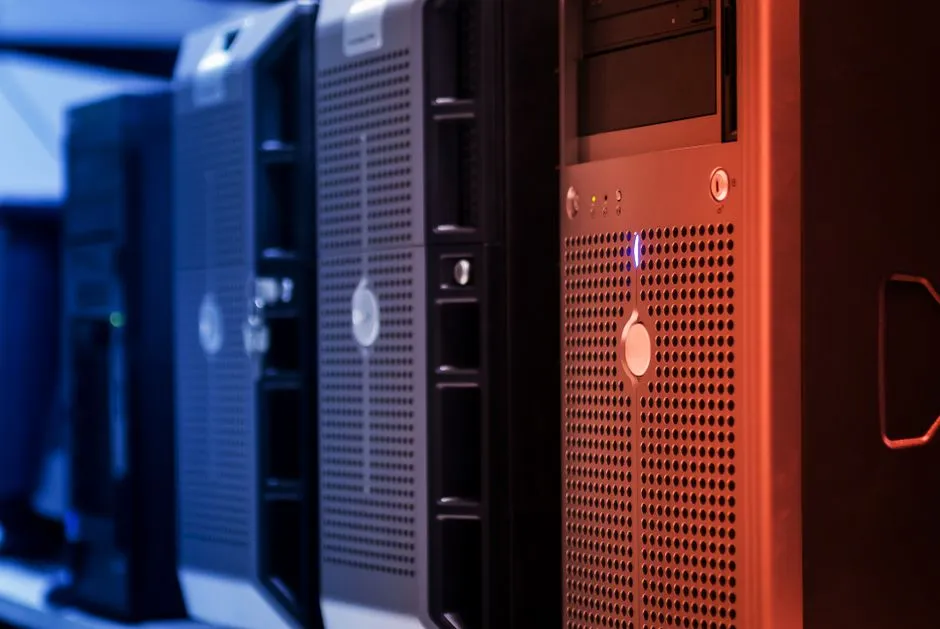
Arthur Hayes has outlined an ambitious vision for FLOP Network, a project designed to connect artificial intelligence infrastructure with decentralized finance. Following the sale of his altcoin holdings, Hayes turned attention to the potential of FLOP’s native token and its role in creating a derivatives market for AI compute.
The central idea is straightforward but potentially far-reaching: computing power could become a tradable commodity. Just as markets allow participants to buy, sell, and hedge exposure to oil, electricity, or agricultural products, FLOP aims to create financial instruments linked to the supply and demand for the processing capacity used to train and operate AI models.
Why AI Compute Is Becoming a Financial Asset
Artificial intelligence depends on enormous amounts of computing power. Training sophisticated models requires access to specialized chips, large data centers, reliable electricity, and high-speed networking. As AI adoption expands, access to this infrastructure is becoming one of the most important constraints in the technology sector.
Today, compute is generally purchased through private contracts, cloud service agreements, or direct ownership of hardware. These arrangements can be difficult to compare and are often unavailable to smaller participants. They also provide limited tools for managing price volatility. If demand for AI infrastructure rises sharply, businesses may face higher costs or difficulty securing capacity.
A derivatives market could introduce a different structure. Standardized contracts might allow participants to gain exposure to future compute prices, lock in costs, or speculate on changing demand. In theory, this could make the market more transparent while giving infrastructure providers and users additional ways to manage risk.
FLOP’s Proposed Market Design
Hayes described FLOP’s derivatives market as a system focused on translating AI compute into a financial product that can be priced and traded. The model would seek to connect real-world computing capacity with an on-chain marketplace, using blockchain technology to support settlement and market access.
The native FLOP token could serve as a central component of this ecosystem. Depending on the final design, it may be used to facilitate transactions, provide collateral, support liquidity, or represent exposure to compute-related contracts. The broader goal is to create an environment in which participants can trade positions connected to AI infrastructure without needing to own or operate a data center themselves.
Such a market could include several types of participants:
- Compute providers: Data centers and hardware operators could use derivatives to hedge future revenue or secure demand.
- AI developers: Companies training models could seek more predictable access to computing power and costs.
- Traders: Market participants could speculate on the growth or decline of AI compute demand.
- Investors: Digital-asset holders could gain exposure to a sector that is normally difficult to access directly.
From Physical Infrastructure to On-Chain Markets
The concept reflects a broader trend in crypto: bringing real-world economic activity onto blockchain-based financial rails. Tokenization has traditionally focused on assets such as currencies, commodities, securities, and property. FLOP applies a similar approach to a service rather than a physical asset.
Compute is especially interesting because it is consumed over time. A unit of processing capacity is not simply held in a wallet; it is delivered, used, and measured. That makes accurate pricing, verification, and settlement essential. For FLOP to succeed, its market would need reliable methods for confirming that contracted compute was actually available and delivered according to agreed standards.
Liquidity would also be critical. A derivatives market only becomes useful when buyers and sellers can enter or exit positions without excessive costs. Without sufficient trading activity, contracts may be difficult to price and vulnerable to sharp volatility.
Risks and Challenges Ahead
The vision is ambitious, but several obstacles remain. AI compute markets are still developing, and the underlying infrastructure is highly concentrated among a limited number of hardware manufacturers, cloud providers, and data-center operators. This concentration could affect pricing and make it difficult to create a truly open marketplace.
Regulation is another major consideration. Derivatives linked to commodities, services, or digital tokens may face complex legal requirements in different jurisdictions. The classification of FLOP’s token and the contracts built around it could influence how the platform is allowed to operate.
There are also technical risks. Smart-contract vulnerabilities, inaccurate data feeds, network congestion, and collateral failures could all disrupt trading. In addition, AI hardware evolves quickly. A contract based on one type of chip or performance standard may become outdated as newer technology enters the market.
What Hayes’s Vision Could Mean for Crypto
Hayes’s proposal highlights how the crypto industry is moving beyond simple token speculation and exploring financial markets tied to technological infrastructure. If FLOP can successfully connect physical compute supply with on-chain derivatives, it could offer a new way to invest in the expansion of artificial intelligence.
However, the project’s long-term success will depend on execution rather than the strength of the narrative alone. Transparent pricing, dependable verification, deep liquidity, responsible risk controls, and regulatory clarity will all be necessary for the market to gain credibility.
FLOP’s AI compute derivatives concept remains an ambitious experiment at the intersection of cryptocurrency, finance, and artificial intelligence. If the model works, computing power could become a more accessible and tradable financial asset. For now, Hayes’s vision offers a glimpse into how future markets may be built around the infrastructure powering the next generation of technology.
Related read: CalPERS Reconsiders Big Tech as AI Valuation Concerns Shake Markets