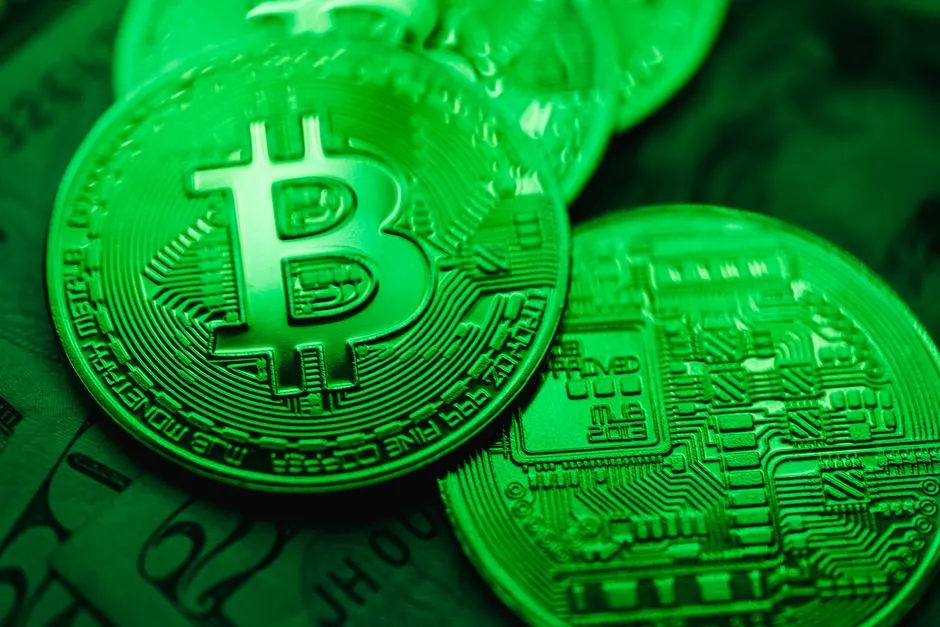
Bitcoin traded near the $82,500 level as cryptocurrency markets attempted to recover from Thursday’s decline. While price action showed signs of stabilization, investor confidence remained sensitive to reports of another potential security incident involving Ledger hardware wallets.
The combination of a market pullback and fresh concerns about wallet security created a cautious atmosphere across digital assets. Traders appeared willing to support Bitcoin near current levels, but the recovery remained measured as participants evaluated whether the reported theft represented an isolated event or a broader warning for the hardware-wallet sector.
Bitcoin Attempts to Stabilize After Thursday’s Drop
Bitcoin’s movement around $82,500 suggested that buyers were still active after Thursday’s sell-off. Periods of consolidation often develop when traders are waiting for clearer signals before committing to a larger position. In this case, the market was balancing two opposing forces: the possibility of a technical rebound and renewed concerns about crypto security.
A recovery following a sharp decline does not necessarily confirm that a new uptrend has begun. Bitcoin may need to hold above nearby support levels and attract stronger trading volume before market participants regard the move as more than a short-term bounce. Until then, the market could continue to experience sudden swings as traders respond to headlines, liquidity changes, and broader economic developments.
The $82,500 area is therefore important not only as a psychological price point but also as a measure of market resilience. If buyers can defend the level, it may encourage traders who view the recent decline as a temporary correction. However, a failure to maintain support could increase the likelihood of additional selling pressure.
Ledger Theft Reports Add to Market Anxiety
The latest concerns centered on reports of another possible exploit or theft involving Ledger hardware wallets. Hardware wallets are designed to keep private keys isolated from internet-connected devices, making them a popular choice among investors who want to hold their assets outside centralized exchanges.
However, “cold storage” does not eliminate every security risk. Users can still be exposed through compromised software, malicious applications, phishing campaigns, fraudulent updates, leaked personal information, or mistakes made during the setup and recovery process. Reports of a theft connected to a major wallet provider can therefore have an impact beyond the individual incident, prompting users to reassess how they store and manage digital assets.
It is important to distinguish between a confirmed vulnerability, a compromised third-party service, and an isolated user-side attack. Early reports can be incomplete, and the exact cause of a theft may take time to establish. Investors should avoid rushing to conclusions and should rely on verified statements from the company involved and reputable security researchers.
Practical Security Measures for Crypto Holders
Regardless of the final explanation behind the reports, the situation serves as a reminder that wallet security requires several layers of protection. Crypto holders should consider the following precautions:
- Verify software updates carefully: Download wallet applications and firmware only through official channels, and be cautious of links shared through unsolicited messages or social media.
- Protect recovery phrases: A seed phrase should never be stored in a cloud document, sent by email, or photographed on an internet-connected phone.
- Check transaction details: Before approving a transfer, confirm the destination address and amount directly on the trusted hardware device.
- Use strong account protections: Where available, enable multifactor authentication and use a unique password for associated accounts.
- Limit exposure: Investors may choose to keep only the amount needed for active use in a hot wallet and store longer-term holdings separately.
Why Security News Can Move Crypto Prices
Security incidents often influence crypto markets because they challenge one of the sector’s core promises: giving users direct control over their assets. When a wallet provider or exchange is linked to a theft, investors may temporarily reduce risk, move funds, or delay new purchases. That behavior can amplify selling pressure, particularly when the broader market is already under stress.
Still, one reported incident does not automatically invalidate the entire hardware-wallet model. Hardware wallets remain widely used because they can reduce exposure to many online threats when configured properly. The key issue is understanding what failed, how many users may be affected, and whether the problem can be contained.
What Traders May Watch Next
In the short term, market participants are likely to focus on whether Bitcoin can remain above its recent support zone and whether trading volume improves during any recovery attempt. Sustained buying, improving sentiment, and calmer security headlines could help the market regain momentum.
Conversely, renewed reports of theft, a breakdown in technical support, or weakness in major altcoins could make the recovery more fragile. Bitcoin’s performance may also remain connected to broader financial-market conditions, including interest-rate expectations, liquidity, and investor appetite for risk.
Conclusion
Bitcoin’s consolidation near $82,500 reflects a market searching for stability after Thursday’s decline. Buyers have shown interest in defending current levels, but confidence remains tempered by reports of another potential Ledger-related theft. For traders, the next phase will depend on price support, volume, and the credibility of further security disclosures. For crypto holders, the episode is a timely reminder that protecting digital assets requires careful device management, secure recovery-phrase storage, and disciplined verification of every transaction.
Related read: Binance Launches Meteora Trading Competition With 400 BNB Prize Pool