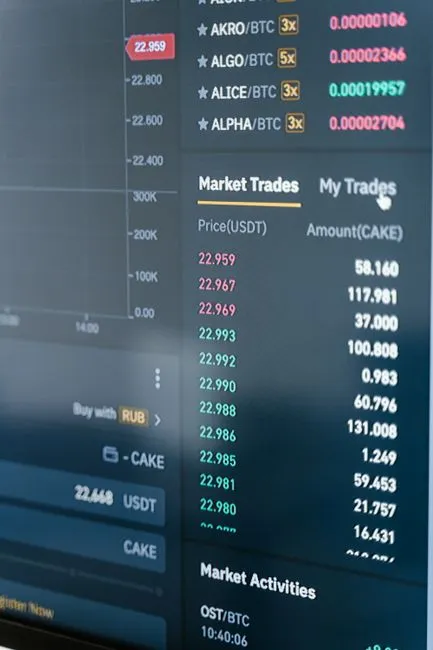
Moomoo is making a meaningful move in the U.S. crypto trading space by integrating Crossover Markets’ CROSSx electronic communication network into its digital asset offering. The partnership is not just another infrastructure upgrade. It points to a broader shift in how retail traders are being given access to execution tools that were once reserved for larger, more sophisticated participants in the market.
In crypto, execution quality can matter just as much as the asset itself. Price moves fast, liquidity can shift quickly, and even small differences in how an order is matched can have a real impact on trading outcomes. That is why Moomoo’s decision to bring CROSSx into its U.S. crypto platform is worth paying attention to.
Why execution quality matters in crypto trading
For many retail traders, the focus often lands on price charts, entry and exit points, and portfolio strategy. But underneath all of that is the execution layer: how orders reach the market, how quickly they are matched, and how much depth is available to support them.
This matters because crypto markets can be fragmented. Liquidity is spread across multiple venues, and the quality of a trade can vary depending on where and how it is routed. In fast-moving markets, even milliseconds can matter. In more extreme cases, differences in execution speed can affect slippage, fill quality, and the overall cost of trading.
That is where institutional-grade infrastructure comes in. It is not about making trading look more advanced. It is about making it work more efficiently.
What CROSSx brings to Moomoo
CROSSx is an electronic communication network, or ECN, built to match orders quickly and connect different participants in the digital asset market. According to the details of the integration, the infrastructure offers sub-10-microsecond matching, which is an extremely low-latency performance standard.
To put that in perspective, a microsecond is one-millionth of a second. Sub-10-microsecond matching means the system is designed to process and match orders at a speed that is far beyond what most retail traders will consciously notice, but that can still have a practical effect on execution quality.
The other major part of the integration is connectivity. Moomoo’s retail interface would be connected to a broader network of digital asset liquidity providers. In simpler terms, this means traders are not just relying on a single pool of orders. They may gain access to a wider set of market participants, which can improve price discovery and help support more consistent execution.
What this could mean for retail traders
The most direct benefit for Moomoo users is potentially better access to liquidity. When an exchange or trading platform can connect to a broader network of providers, it can often offer a more competitive trading environment. That may show up in several ways:
- Improved order matching through a faster, more efficient infrastructure.
- Better access to liquidity from a wider set of digital asset market participants.
- Potentially reduced slippage in volatile or fast-moving conditions.
- Stronger execution consistency as the platform scales with user activity.
For active traders, these improvements can be especially relevant. Someone trading on momentum, reacting to breaking news, or managing a larger number of positions is more likely to feel the difference between a platform that executes smoothly and one that struggles under pressure.
Even for less active traders, the benefit is indirect but still important. A stronger execution layer can support a more stable trading experience, cleaner pricing, and a platform that feels more reliable over time.
The broader trend: institutional tools moving toward retail access
What makes this integration notable is not just the technology itself, but what it represents. Crypto markets have long been associated with fast innovation, but execution infrastructure has often been uneven. Some participants had access to highly optimized systems, while others traded in environments that did not offer the same level of performance.
That gap is narrowing. Retail-facing platforms are increasingly investing in the kind of infrastructure that was once common mainly among institutional desks. Faster matching, deeper liquidity connectivity, and more advanced order routing are becoming part of the competitive landscape.
For Moomoo, this move helps strengthen its U.S. crypto offering in a market where differentiation is increasingly coming down to execution quality. In other words, it is not enough to simply offer crypto trading. The experience behind the trade is becoming a major factor in how platforms compete.
What to watch next
The integration itself is the first step. The real test will be how it performs in live trading conditions. Users may want to watch for a few key signs:
- How well the platform performs during periods of high volatility.
- Whether execution quality remains consistent as volume grows.
- How the broader liquidity network affects pricing and fill quality.
- Whether the infrastructure upgrade is reflected in the overall user experience.
There are also operational factors that matter, including reliability, security, compliance, and the ability to maintain performance at scale. In crypto, infrastructure is only as good as its consistency under real-world conditions.
Still, the direction is clear. Moomoo is not just adding another feature. It is investing in the backbone of its crypto trading experience. By bringing CROSSx into its U.S. offering, Moomoo is signaling that it wants its retail users to benefit from a more institutional-style execution environment.
For traders, that can be a positive development. In a market where speed, liquidity, and execution quality can all affect outcomes, having access to a stronger infrastructure layer is one more reason why the retail trading experience is becoming more sophisticated with each passing year.
Related read: Winklevoss-Backed Zcash ETF Files With SEC for Proposed Nasdaq Listing