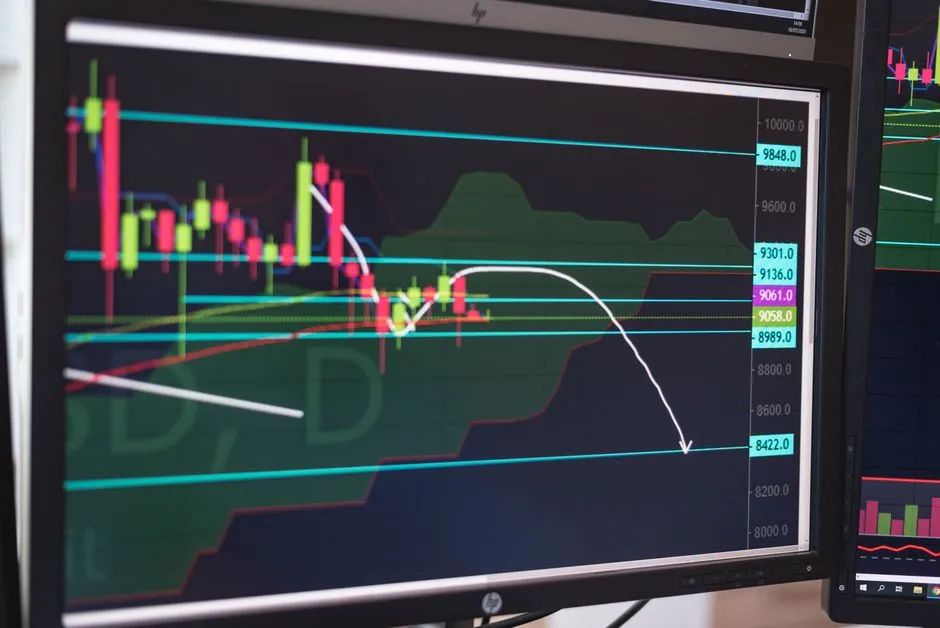
Bitcoin has long been marketed as a modern store of value, a digital asset that can stand apart from traditional markets during periods of uncertainty. But when interest rates are climbing and the Federal Reserve keeps its focus firmly on inflation, the story often looks less romantic and more practical. The key question for investors right now is not whether Bitcoin can eventually grow, but whether the current macroeconomic environment is supportive enough to help it rally with conviction.
Friday’s soft employment report added to the debate, but it was not enough to change the dominant narrative. A weaker jobs number can signal that the economy is cooling, which is exactly what the Fed may be hoping for. Yet it does not automatically mean the central bank will pause. In fact, the market reaction suggested that investors still expect the Fed to remain on its rate-hike cycle, at least for the time being. That expectation is putting pressure on Bitcoin, along with other risk-sensitive assets.
Why Higher Rates Matter for Bitcoin
At first glance, it may seem counterintuitive that Bitcoin would care about interest rates. After all, it is not a cash-flow asset. It does not pay dividends, issue bonds, or generate earnings. But the reason rates matter is that they affect the overall cost of money and the appeal of safer alternatives.
When the Fed raises rates, short-term government securities become more attractive because they offer higher yields with little risk. For many investors, that changes the calculus. If a Treasury bill can provide a reliable return with minimal volatility, the incentive to chase a volatile asset like Bitcoin becomes less compelling. This is especially true for institutional portfolios, where risk management is a priority.
Higher rates also strengthen the U.S. dollar, which often moves in the opposite direction from Bitcoin. A stronger dollar can weigh on commodity prices, emerging-market assets, and speculative investments. Since Bitcoin has increasingly become viewed as a high-beta asset in some market conditions, it often reacts to changes in liquidity and dollar strength in ways that resemble tech stocks more than a traditional safe-haven commodity.
The Fed Is Still Data-Dependent
The Fed has spent months emphasizing that its decisions will depend on incoming data. That means no single report is likely to dictate the entire path. A soft jobs number can raise questions about the pace of tightening, but if inflation remains sticky or labor conditions remain firm, the Fed may still lean toward keeping policy restrictive.
This is where the market gets tricky. Investors often want a clear signal: either the economy is weakening enough to justify a pause, or inflation is under control enough to allow a shift in tone. When the data is mixed, uncertainty rises. And uncertainty usually does not play well with speculative assets that rely on optimism and liquidity.
Bitcoin’s Identity Crisis in a Higher-Rate Environment
One of the more interesting questions surrounding Bitcoin today is how to classify it. Is it digital gold? Is it a risk asset? Is it a payment system? Is it a speculative technology trade? The honest answer is that it can behave like different things at different times.
In periods of loose monetary policy and abundant liquidity, Bitcoin often rallies as a high-risk, high-reward asset. In periods of tight policy and rising rates, it can trade more like a leveraged bet on future growth. Right now, the rate environment is leaning toward the latter.
This does not mean Bitcoin is doomed to underperform in every scenario. There are still structural reasons for its long-term appeal, including limited supply, growing institutional interest, and expanding use cases. But the short-term price action is often driven by macro conditions, and those conditions are not currently friendly to rapid upside.
What Could Change the Outlook
There are several factors that could alter the current pressure on Bitcoin:
- Softer inflation data could reduce the urgency for further rate hikes and improve the outlook for risk assets.
- A clearer Fed pivot in communication, even before rates are cut, could help lift sentiment across equities and crypto markets.
- Improving liquidity conditions would likely support Bitcoin, especially if money market yields become less attractive relative to risk assets.
- Strong adoption news could help Bitcoin decouple from macro trends, though that would likely require sustained demand rather than a single headline.
Until those conditions improve, Bitcoin may continue to face headwinds. The asset is not immune to the broader economic cycle, and investors who treat it as a standalone bubble detached from fundamentals may find themselves surprised by how closely it follows the Fed’s policy path.
The Bottom Line for Investors
Bitcoin is still an asset with long-term potential, but the near-term environment is challenging. The Federal Reserve is not likely to be rushed into a pause by a single soft employment report, especially if inflation remains a concern. As long as rates are rising and the dollar remains firm, Bitcoin will likely face pressure from risk-off sentiment and the relative appeal of safer yield-bearing assets.
For investors, the practical takeaway is patience. The current setup may not be ideal for aggressive positioning, but it is also not a reason to ignore the asset entirely. The key is to understand that Bitcoin’s price action is now deeply tied to macroeconomic forces. When the Fed tightens, crypto often feels the squeeze. When policy eventually eases, Bitcoin may once again become a favorite among risk-takers. Until that shift arrives, the path of least resistance is likely to remain choppy and cautious.
Related read: Metaplanet’s New Bitcoin Strategy: How Allocating Up to 15% of Assets Could Fuel Long-Term Accumulation