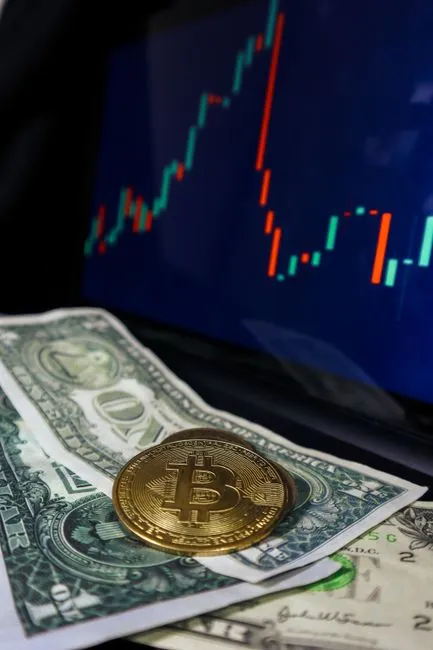
Bitcoin moved sharply higher and reclaimed the $80,000 level after gaining about 5% in a session that once again highlighted how sensitive crypto markets have become to macroeconomic signals. The rally came as the U.S. dollar weakened, with the Dollar Index falling amid renewed speculation about possible yen intervention by Japan. That combination of a softer dollar and suspected currency market activity gave traders another reminder that Bitcoin is no longer being traded in a vacuum. It is increasingly moving in response to liquidity, monetary policy, and currency flows that shape global risk appetite.
Why the dollar move mattered
For much of the past two years, Bitcoin has shown a notable inverse relationship with the strength of the U.S. dollar. When the dollar weakens, investors often become more willing to allocate into risk assets, including equities, commodities, and crypto. When the dollar strengthens, liquidity conditions can tighten and speculative markets may come under pressure. That dynamic helped explain why Bitcoin’s move back above $80,000 was so closely tied to the dollar’s performance.
The Dollar Index is a broad measure of the value of the U.S. dollar against a basket of major currencies. A decline in that index suggests that the dollar is becoming less dominant relative to other currencies. For crypto markets, that can be a bullish signal because a weaker dollar often makes dollar-denominated assets more attractive to international buyers and can improve the liquidity environment for speculative trades. In other words, when the dollar loses some of its strength, risk-on sentiment tends to return, and Bitcoin often benefits from that shift.
What suspected yen intervention means for markets
The second part of the story was the suspected intervention in the yen. While official statements can be cautious or delayed, market participants often infer currency intervention from sudden shifts in exchange rates, unusual trading volumes, or coordinated moves that appear difficult to explain purely by market fundamentals. If Japanese authorities are indeed stepping in to support the yen, that can have broader implications for global markets.
Japan has long been a key player in global currency markets, and the yen often plays a special role in international finance. One important reason is that Japanese investors and institutions have historically had access to relatively low-cost funding. When the yen is weak, it can encourage carry trades, where investors borrow in yen and invest in higher-yielding assets around the world. If intervention makes the yen stronger, it can affect those positioning flows and influence how capital moves across asset classes.
For Bitcoin, that matters because crypto has become part of the broader risk-on, risk-off cycle. Traders are not just buying or selling Bitcoin based on blockchain adoption, exchange inflows, or network activity. They are also watching currency markets, central bank behavior, and global liquidity conditions. A suspected intervention in the yen can therefore act as a catalyst even if it does not directly involve Bitcoin at all.
Why Bitcoin is trading more like a macro asset
One of the most important takeaways from this move is that Bitcoin continues to trade less like a niche digital asset and more like a macroeconomic instrument. That shift has been visible in several ways. Bitcoin often moves with risk sentiment in technology stocks, responds to changes in interest rate expectations, and reacts to dollar strength or weakness. It also benefits when global liquidity improves and comes under pressure when that liquidity tightens.
This does not mean Bitcoin is simply a copy of traditional markets. It still has its own structure, its own speculative dynamics, and its own community-driven narratives. But the fact that a dollar move and suspected yen intervention helped push Bitcoin back above $80,000 shows that macro forces are now central to its price action. In many ways, Bitcoin is being treated as a high-beta expression of global liquidity. When investors expect more capital to be available, it tends to rise. When they expect tighter conditions, it can fall more quickly.
That also explains why analysts remain divided on the outlook. Some see the weaker dollar as a sign that risk appetite is returning and that Bitcoin could continue to gain momentum. Others argue that the rally is driven by short-term positioning rather than a durable change in the macro environment. The split is understandable because currency markets can be noisy, and a single move in the dollar or yen does not always translate into a sustained trend in crypto.
What traders should watch next
Going forward, the key question is whether the dollar weakness continues or whether it proves to be a temporary reaction. If the Dollar Index keeps drifting lower, Bitcoin may find additional support from broader risk-on sentiment. If the dollar stabilizes or rebounds, the upside could stall, especially if other markets begin to show signs of caution.
Traders should also watch for any official commentary from Japanese authorities or further unusual moves in the yen. Suspicion of intervention can move markets quickly, but confirmation or denial can change the narrative just as fast. In addition, U.S. economic data, interest rate expectations, and global equity performance will likely remain important context. Bitcoin may have reclaimed $80,000, but the next move may depend less on crypto-specific news and more on the direction of global currency and liquidity flows.
Bottom line
Bitcoin’s return above $80,000 was not just a crypto story. It was a macro story wrapped in a currency backdrop. The weaker dollar and suspected yen intervention helped create the conditions for a stronger risk-on move, and Bitcoin responded in a way that reflects its evolving role in global markets. The next few sessions will matter because they will show whether this rally is part of a broader shift in sentiment or simply another example of how quickly Bitcoin can react to changes in the dollar, the yen, and the wider financial system.
Related read: Aave Governance Approves Base Parameter Update for v3 Markets: What It Means for Users and Risk