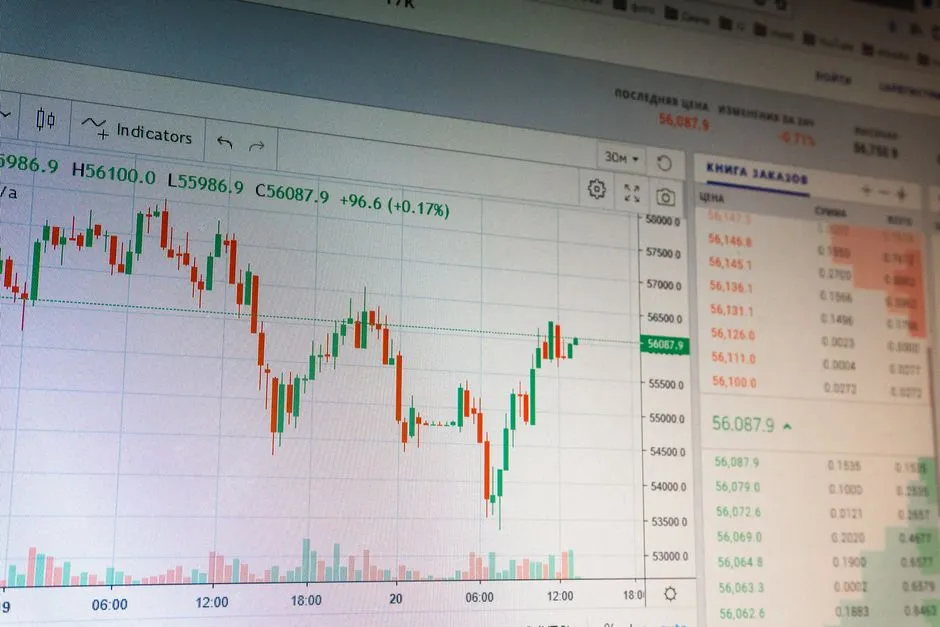
For years, cryptocurrency trading in Russia has often operated in a gray zone, caught between strong retail interest, restrictive regulation, and a financial system that has been cautious about embracing digital assets. That environment is changing. According to a new report, regulated cryptocurrency exchanges could see more than $46 billion in trading volume during the first year after legalization, based on estimates from the country’s largest bank. If those projections even partially materialize, the shift would be significant—not just for Russian investors, but for the broader global crypto market as well.
What the $46 billion estimate really means
The number itself is striking, but the context matters even more. A $46 billion first-year trading volume would not simply mean that people are buying and selling more crypto. It would suggest a structural shift: a move from informal, fragmented, or offshore activity toward a more organized domestic market with regulated exchanges, clearer rules, and greater institutional participation.
When a market is legalized, it often becomes more visible. That visibility can attract retail investors who were previously hesitant, encourage businesses to explore crypto-related services, and allow financial institutions to operate with more confidence. In other words, legalization does not just remove barriers—it creates a framework that can make the market larger, faster, and more liquid.
Why legalization could change the trading landscape
The biggest change would be the reduction of uncertainty. In many jurisdictions, crypto markets grow fastest when participants understand the rules. If Russia introduces a clearer legal framework for crypto trading, regulated exchanges may benefit from several advantages at once.
From informal activity to regulated venues
One of the most likely effects is the migration of trading activity from unregulated or offshore platforms to domestic, compliant exchanges. Once legal status is established, traders are often more willing to use official venues because they offer greater security, clearer dispute resolution, and a more predictable operating environment. For a market that has already shown significant retail enthusiasm, that shift could translate into a rapid increase in trading volume.
A clearer path for investors and businesses
Legalization also tends to reduce the friction around onboarding, payments, compliance, and account access. When exchanges can operate under a defined legal framework, they can build more sophisticated products, improve user trust, and expand their service offerings. That can create a feedback loop: better platforms attract more users, more users increase liquidity, and higher liquidity makes the market more attractive to additional participants.
What could drive the projected trading volume
The $46 billion estimate likely reflects more than just curiosity. Several factors could combine to push trading activity to new levels.
- Strong existing retail demand: Russia has historically shown high interest in digital assets, particularly among younger and tech-savvy investors. Legalization could channel that demand into formal markets.
- Improved exchange infrastructure: Regulated platforms are likely to invest in better trading tools, security systems, and customer support, making the experience more appealing to a wider audience.
- Greater institutional participation: If banks, asset managers, or other financial institutions gain a clearer legal path, they may begin offering crypto-related services or custody solutions, adding depth to the market.
- Increased liquidity and trading frequency: As more participants enter the market, spreads can tighten, execution can improve, and overall trading volume can rise quickly.
In a market with high momentum, even small regulatory improvements can produce outsized results. The first year after legalization may be especially important because it could set the tone for how quickly the ecosystem matures.
The role of compliance and market confidence
One of the most important pieces of this puzzle is trust. Crypto markets have long struggled with concerns around security, transparency, and consumer protection. A regulated environment could help address some of those concerns by introducing clearer oversight, stronger compliance standards, and more accountable market participants.
That does not mean risk disappears. Crypto remains a volatile asset class, and regulated markets can still experience sharp price swings, liquidity gaps, and operational challenges. But legalization can help separate legitimate market activity from more speculative or opaque behavior, potentially making the ecosystem more resilient over time.
What this could mean for the broader economy
If the estimates hold up, the impact could extend well beyond trading volumes. A more formalized crypto market could contribute to several broader economic outcomes, including:
- Higher financial participation: More people may gain access to digital asset markets through regulated channels.
- Increased transaction activity: A larger exchange ecosystem often supports a wider range of financial services, from payments to custody and trading tools.
- Greater visibility for policymakers: A regulated market is easier to monitor, study, and adjust over time.
- Potential growth in related industries: Technology, cybersecurity, compliance, and fintech services could all benefit from a more formal market structure.
In that sense, the $46 billion figure is not just a crypto market statistic. It is a signal of how much economic activity could be reshaped if digital assets move closer to the center of the financial system.
Important caveats to keep in mind
While the projection is impressive, it should not be treated as a guarantee. Several variables could influence whether the market reaches that level of activity.
First, the exact details of the legal framework will matter. The speed and scope of implementation, licensing requirements, tax treatment, and restrictions on certain products or transactions could all affect participation. Second, macroeconomic conditions, market sentiment, and global crypto prices will also play a major role. A strong bull market can amplify trading volume, while a prolonged downturn can suppress it even in a newly legalized environment.
Third, international factors may remain relevant. Sanctions, cross-border payment constraints, and the broader geopolitical environment can all influence how easily Russian investors and businesses participate in global crypto markets. Even with domestic legalization, some parts of the ecosystem may still face practical limitations.
Bottom line
The potential for $46 billion in regulated crypto trading during the first year after legalization is a strong indicator of how much latent demand exists in Russia’s digital asset market. If the country moves toward a clearer regulatory framework, the result could be a more formalized, more liquid, and more transparent trading environment. That would represent a major step for crypto in Russia and could reshape how the market develops in the years ahead. The next phase will likely be defined not just by the legal change itself, but by how quickly exchanges, investors, and regulators build the infrastructure needed to turn that projected growth into reality.
Related read: Tokenized Stock Transfers Jump 415% in 30 Days: What the $29.5B Surge Means for Crypto and Traditional Markets