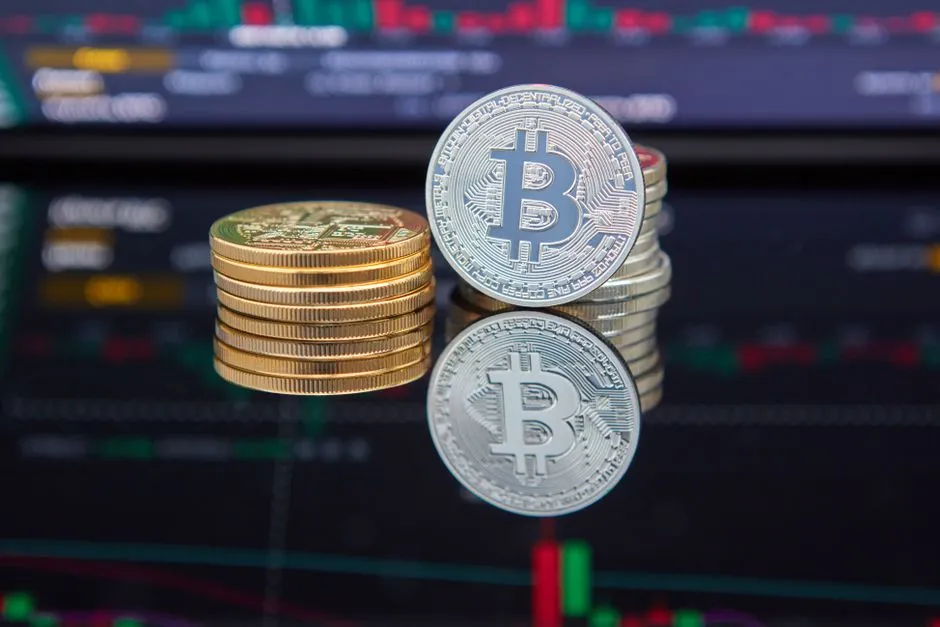
Bitcoin has been one of the most closely watched assets in global markets, often moving in response to shifts in liquidity, interest rates, and investor sentiment. The latest rally has been tied to a growing market narrative: the U.S. Treasury’s bond buybacks are fueling what traders are calling the “not-QE” trade. In simple terms, it is a move that does not look like traditional quantitative easing on paper, but is starting to behave a lot like it in the way it affects financial markets.
At the same time, corporate and mining activity in the crypto space continues to evolve. Metaplanet’s expansion into the United States and Cypherpunk’s reported $33 million Zcash mining bet show that institutional interest and proof-of-work investment are not slowing down. Together, these developments suggest that Bitcoin’s next phase may be shaped not only by macroeconomic policy, but also by the growing role of companies and miners in the asset’s ecosystem.
What Is the “Not-QE” Trade?
Quantitative easing, or QE, is a well-known monetary policy tool in which a central bank buys government bonds to inject liquidity into the financial system. It often lowers borrowing costs, supports asset prices, and can boost risk appetite across equities, credit, and crypto. Bitcoin, in particular, has historically benefited from periods of monetary easing because it tends to behave like a highly elastic, inflation-sensitive asset.
The “not-QE” trade is a bit different. It does not involve the Federal Reserve directly buying Treasuries on a large scale. Instead, it centers on the U.S. Treasury conducting bond buybacks, effectively reducing the supply of outstanding government debt. While this is a fiscal operation rather than a monetary one, market participants are increasingly treating it as a form of indirect financial support.
When the Treasury buys back its own bonds, it can help stabilize the debt market, reduce pressure on yields, and improve conditions for broader financial assets. That matters because Bitcoin often responds strongly to changes in real rates and liquidity expectations. If investors believe that fiscal actions are making the financial environment more supportive, even without a formal QE program, Bitcoin can rally as traders reposition into risk assets.
Why Bitcoin Is Responding So Strongly
Bitcoin’s sensitivity to macro conditions is one of its defining traits. When the dollar weakens, Treasury yields cool, or liquidity expectations improve, Bitcoin often gains momentum. The “not-QE” narrative gives traders another reason to view the asset as a beneficiary of softer financial conditions, even in the absence of a traditional central bank stimulus program.
This is important because it shifts the conversation from “Will the Fed ease policy?” to “Are fiscal actions doing enough to support financial stability?” That is a broader question, and one that may keep Bitcoin in focus for longer. If markets continue to interpret Treasury operations as a stabilizing force, Bitcoin could remain one of the most reactive assets in the risk complex.
There is also a behavioral element. Crypto traders are often early to detect subtle changes in liquidity flows. When a trade gets a name—like “not-QE”—it tends to spread quickly, reinforcing positioning. In that sense, the rally is not only about the fundamentals of Treasury buybacks, but also about the narrative forming around them.
Metaplanet’s U.S. Expansion Adds a Corporate Dimension
Another development worth noting is Metaplanet’s expansion into the United States. The company has become one of the most recognizable names in the corporate Bitcoin treasury movement, and its move into the U.S. market signals a deeper integration between corporate strategy and digital assets.
For Bitcoin, this matters for two reasons. First, it broadens the potential investor base beyond retail traders and hedge funds. Second, it adds a longer-term structural dimension to demand. Companies that hold Bitcoin on their balance sheets are not just trading the asset; they are treating it as part of a broader financial strategy. That can create more stable, less speculative demand over time.
The U.S. is also a critical market for crypto adoption, due to its depth, capital access, and regulatory visibility. If firms like Metaplanet can operate more effectively in the U.S., it could help normalize Bitcoin as a corporate asset class rather than a niche alternative.
Cypherpunk’s $33 Million Zcash Mining Bet
Not all crypto activity is centered on Bitcoin. Cypherpunk’s reported $33 million commitment to Zcash mining is a clear reminder that proof-of-work networks still attract serious capital, even as market attention often gravitates toward Bitcoin and major altcoins.
Zcash has long been associated with privacy-focused design, and sustained mining investment can be a sign that developers, miners, and infrastructure providers still see value in maintaining a secure, competitive network. For miners, large commitments like this are not just about short-term price moves; they are about securing long-term positions in hash rate, energy access, and network stability.
This kind of activity also helps diversify the broader crypto narrative. Bitcoin may dominate headlines, but the ecosystem includes a wide range of projects, mining operations, and infrastructure plays. When companies put meaningful capital into proof-of-work networks, it reinforces the idea that crypto is not just a trading market, but an evolving technological and industrial space.
What This Means for Investors
The bigger picture is that Bitcoin’s current strength is being driven by a mix of macro positioning, corporate adoption, and continued investment across the crypto infrastructure stack. The “not-QE” trade gives traders a fresh framework for understanding how fiscal policy and liquidity expectations can influence digital assets. Meanwhile, moves by companies like Metaplanet and Cypherpunk show that demand is not limited to speculative trading.
For investors, the key takeaway is that Bitcoin may continue to respond to subtle shifts in Treasury policy, rate expectations, and market positioning. But it is also becoming increasingly embedded in corporate balance sheets and mining economics. That combination could make the asset more resilient, even if macro conditions remain uncertain.
In other words, the rally is not just about one headline or one trade. It is about a broader realignment in how markets view liquidity, corporate strategy, and the role of crypto in the modern financial system. If that trend continues, Bitcoin may keep finding new ways to move higher—not just when the Fed eases, but when the wider financial system starts to behave as if it already has.
Related read: Laser Digital Wins Japan’s First New Crypto Exchange Approval in Four Years