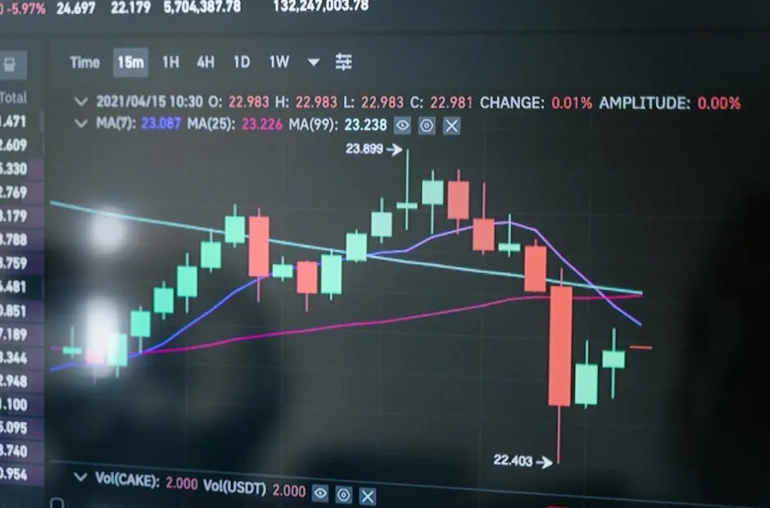
The cryptocurrency market never sleeps, but that does not mean trading is always smooth. Even in 2026, traders face a growing list of friction points that can disrupt their strategies and expose sensitive data. From sudden exchange bans to relentless API rate limits, the digital trading landscape has become increasingly complex. This is why a growing number of professional and retail traders are turning to proxy servers as a fundamental part of their trading infrastructure.
At its core, a proxy server acts as an intermediary between your computer and the internet. When you route your trading traffic through a proxy, your real IP address is hidden, and your requests appear to come from a different location. While this might sound like a simple technical workaround, the practical applications are reshaping how traders operate in today’s highly regulated and competitive environment.
6 Practical Scenarios Where Proxies Give Traders an Edge
1. Bypassing Regional Exchange Restrictions
Regulatory landscapes vary drastically across the globe. An exchange that is fully operational in one country might be completely blocked in another due to local compliance rules. Traders living in restricted jurisdictions often find themselves locked out of major platforms. By routing their connection through a proxy located in a permitted region, traders can legally access these exchanges, execute trades, and manage their portfolios without interruption.
2. Circumventing API Rate Limits and IP Bans
Algorithmic and high-frequency traders rely heavily on exchange APIs to automate their strategies. However, most platforms enforce strict rate limits to prevent server overload. If your trading bot sends too many requests from a single IP address, the exchange will temporarily or permanently ban that IP. Using a rotating proxy pool allows traders to distribute their requests across multiple IP addresses, ensuring uninterrupted data flow and preventing costly downtime during volatile market swings.
3. Enhancing Privacy and Shielding Against DDoS Attacks
Security remains a top priority for anyone holding digital assets. High-profile traders and successful trading groups often become targets for malicious actors looking to intercept data or disrupt operations. Distributed Denial of Service (DDoS) attacks can crash a trader’s connection at the worst possible moment. A robust proxy setup masks your true location and distributes incoming traffic, making it significantly harder for attackers to pinpoint and overwhelm your trading terminal.
4. Unlocking Localized Pricing and Arbitrage Opportunities
Cryptocurrency prices can vary slightly between different regional exchanges due to liquidity differences and local demand. Professional traders look for these micro-discrepancies to execute arbitrage trades. By using proxies located in different countries, traders can view localized pricing data in real-time, spot profitable gaps, and execute trades before the market corrects itself. This geographic flexibility provides a tangible edge in a market where milliseconds matter.
5. Managing Multiple Trading Accounts Securely
Many traders operate multiple accounts to diversify risk, test different strategies, or manage funds for clients. Exchanges are quick to flag and freeze accounts that appear to be linked to the same IP address, assuming they are engaged in wash trading or market manipulation. Assigning a dedicated, static proxy to each account ensures that your trading activities remain isolated, keeping your accounts in good standing with exchange compliance teams.
6. Maintaining Stable, Low-Latency Connections for High-Frequency Trading
Standard residential internet connections can suffer from latency spikes, packet loss, or routing inefficiencies. In high-frequency trading, a delay of even a few hundred milliseconds can turn a profitable trade into a loss. Premium datacenter and enterprise-grade proxies are optimized for speed and stability. They provide a direct, low-latency route to exchange servers, ensuring that orders are executed exactly when intended, regardless of your physical location.
How to Choose the Right Proxy for Your Trading Setup
Not all proxy services are created equal. When selecting a provider, prioritize reliability, uptime guarantees, and encryption standards. Residential proxies offer the highest level of anonymity and are less likely to be flagged by exchanges, while datacenter proxies provide the raw speed needed for algorithmic trading. Always test a provider’s network with a small capital allocation before scaling up your operations, and verify that their infrastructure complies with the security standards expected by modern trading platforms.
Final Thoughts
The modern crypto trader operates in a highly scrutinized, fast-paced digital environment. Relying solely on a standard internet connection is no longer enough to stay competitive or secure. Proxy servers have evolved from a niche technical tool into a strategic necessity, offering traders the privacy, access, and stability required to navigate the complexities of today’s markets. By understanding how to leverage these tools effectively, traders can protect their capital, optimize their strategies, and trade with confidence.