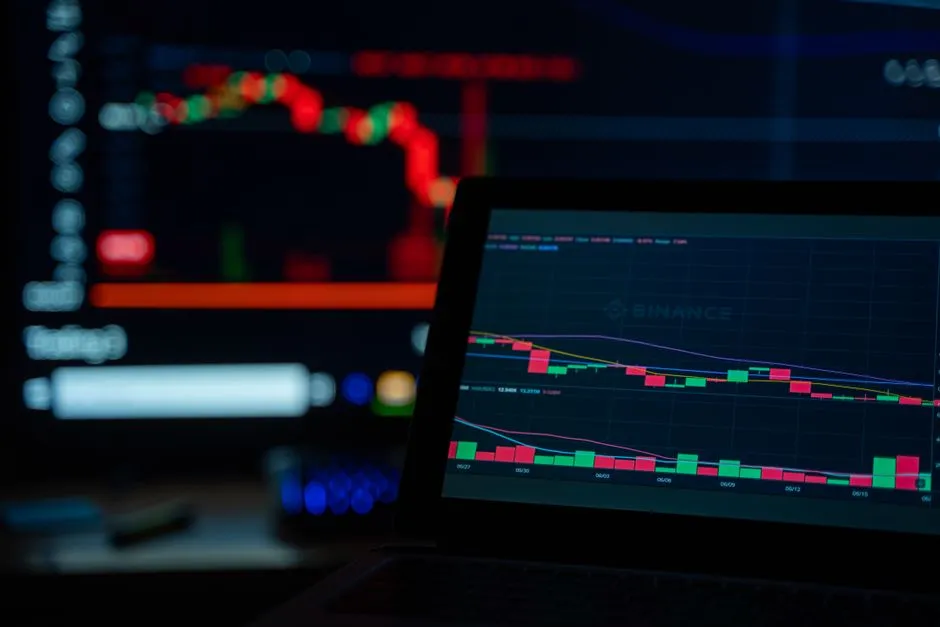
Dogecoin has long been more than just a meme coin. Over the years, it has evolved into a serious contender in the digital asset space, balancing a passionate community with real-world utility. Lately, however, the conversation around DOGE has shifted from price charts to protocol-level discussions. The ongoing debate over merge mining has taken center stage, even as technical indicators and on-chain data suggest the asset may be gearing up for a meaningful rebound.
The Merge Mining Debate: Innovation or Network Risk?
What Exactly Is Merge Mining?
Merge mining allows miners to validate blocks for two different cryptocurrencies simultaneously using the same computational power. In Dogecoin’s case, this typically refers to pairing it with Litecoin, which shares the same Scrypt algorithm. Proponents argue it boosts network security by leveraging Litecoin’s larger hashrate, effectively making it harder for malicious actors to attack the DOGE blockchain. On the flip side, critics worry about centralization. If mining power becomes too concentrated, the decentralized ethos of the network could be compromised.
Why Billy Markus Supports the Shift
Billy Markus, one of Dogecoin’s original co-founders, has publicly voiced his support for merge mining. His stance stems from a pragmatic view of network sustainability. Markus believes that without additional security layers, smaller proof-of-work chains like DOGE remain vulnerable to 51% attacks. By aligning with a more robust mining ecosystem, Dogecoin could achieve greater stability without sacrificing its core functionality. Of course, this isn’t a unanimous view. Many long-term holders and independent node operators prefer to keep the networks separate, arguing that independence is just as valuable as security.
Technical Signals Point to a Potential Rebound
While developers and community members debate protocol upgrades, traders are closely watching the charts. Recently, Dogecoin has flashed several buy signals that have caught the attention of technical analysts. One of the most notable is the TD Sequential indicator, a popular tool used to identify potential market exhaustion and reversal points.
Decoding the TD Sequential Indicator
Created by Alexander Elder and popularized by Larry Connors, the TD Sequential looks at consecutive price closes to spot oversold or overbought conditions. When a complete buy setup forms, it often precedes a short-term price recovery. For Dogecoin, this signal appeared after a prolonged consolidation phase, suggesting that selling pressure may have been absorbed. Combined with rising trading volume and tighter price ranges, the indicator hints that buyers could be regaining control.
Whale Activity and On-Chain Clues
Technical analysis tells only half the story. On-chain metrics provide another layer of insight, and right now, the data is leaning bullish. Large wallet addresses, commonly referred to as whales, have been steadily accumulating DOGE over the past few weeks. These entities typically move hundreds of thousands, if not millions, of tokens at a time. When whales accumulate during periods of relative quiet, it often signals confidence in future price appreciation.
Beyond raw accumulation, exchange outflows have also increased. When large amounts of Dogecoin are moved from centralized exchanges to private wallets, it usually indicates a long-term holding strategy rather than an intent to sell. This behavior, paired with the technical buy signals, creates a compelling case for a potential upside move.
What Traders Should Watch Next
Navigating the crypto market requires balancing fundamentals, technicals, and community sentiment. For Dogecoin, the merge mining discussion highlights a growing maturity within the project. It’s no longer just about viral moments or celebrity endorsements; it’s about network architecture, security, and long-term viability. Meanwhile, the combination of TD Sequential buy setups and sustained whale accumulation suggests that the market is positioning itself for a shift in momentum.
That said, cryptocurrency markets remain highly volatile. External factors can quickly override technical patterns. Before positioning for a potential breakout, consider these key factors:
- Macro Market Conditions: Broader risk-on or risk-off sentiment often dictates altcoin performance.
- Regulatory Developments: Policy shifts can impact mining operations and exchange liquidity.
- Network Hashrate Trends: Sustained mining participation is critical for long-term price stability.
- Volume Confirmation: Breakouts without accompanying volume often lead to false signals.
Traders should approach any potential rebound with clear risk management strategies, including stop-loss orders and position sizing that aligns with their individual tolerance.
Final Thoughts
Dogecoin stands at an interesting crossroads. The merge mining debate reflects a community that is actively engaged in shaping the network’s future, while technical indicators and on-chain whale activity point to a possible upward trajectory. Whether DOGE breaks out of its current range or continues to consolidate will depend on how these factors align in the coming weeks. For now, the signals are clear: the market is paying attention, and the foundation for a potential rebound is being laid. As always, thorough research and disciplined trading practices remain the best tools for navigating the unpredictable crypto landscape.