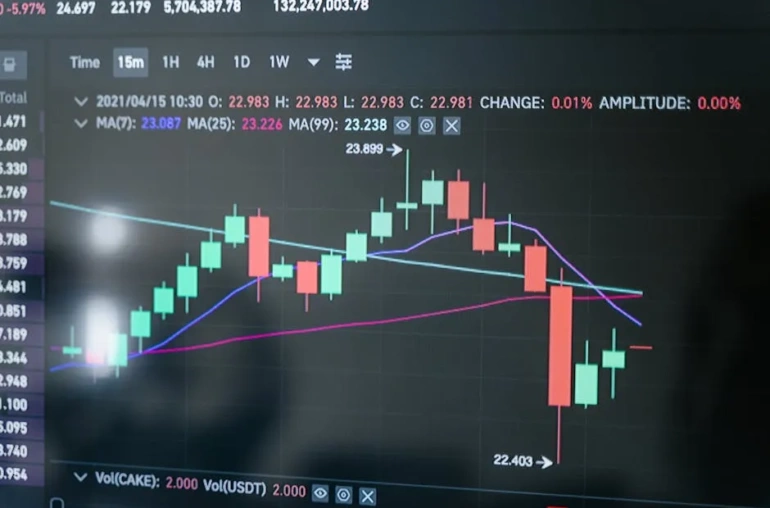
Bitcoin has officially broken through the $65,000 mark, reigniting optimism across the digital asset space. The surge wasn’t driven by a sudden technological breakthrough or a major corporate adoption announcement. Instead, it was sparked by a macroeconomic data point that has investors and traders paying close attention: the latest U.S. Producer Price Index (PPI) report. When the numbers came in softer than expected, the ripple effect was immediate. Markets interpreted the cooling inflation data as a strong signal that the Federal Reserve might pause its aggressive rate-hiking cycle, and Bitcoin responded with decisive upward momentum.
Decoding the PPI Report and Its Immediate Market Reaction
The Producer Price Index measures the average change over time in the selling prices received by domestic producers for their goods and services. In simple terms, it acts as an early warning system for consumer inflation. When June’s PPI data revealed a lower-than-anticipated rise, it sent a clear message to financial markets: price pressures at the wholesale level are finally easing. For traders, this is often viewed as a green light. Lower inflation reduces the urgency for central banks to maintain restrictive monetary policies. Within hours of the report’s release, trading platforms saw a noticeable spike in Bitcoin buying activity. The digital asset, which has increasingly been treated as a barometer for global liquidity and a hedge against currency debasement, naturally benefits when the threat of tighter financial conditions recedes.
The Federal Reserve’s Shadow Over Digital Assets
Bitcoin’s price action has grown increasingly intertwined with traditional macroeconomic forces. Over the past few years, the cryptocurrency has demonstrated a strong correlation with liquidity conditions and interest rate expectations. When the Federal Reserve signals a hawkish stance—meaning higher interest rates and a tighter money supply—risk assets like Bitcoin typically face headwinds. Conversely, when inflation data cools and rate hike expectations diminish, capital tends to flow back into speculative and growth-oriented markets. This latest PPI report effectively rattled the Fed’s most vocal hawks, shifting market pricing toward a more dovish outlook. Traders are now pricing in a higher probability that the central bank will hold rates steady, at least in the near term, providing Bitcoin with the breathing room it needs to climb.
Beyond the Headlines: What’s Fueling the Rally?
While the PPI report provided the catalyst, Bitcoin’s move above $65,000 is also supported by broader market dynamics. Institutional interest remains steady, with regulated investment products and corporate treasuries continuing to allocate capital to digital assets. On-chain metrics show that long-term holders are largely staying put, reducing selling pressure at critical resistance levels. Additionally, the broader cryptocurrency ecosystem has matured significantly. Regulatory clarity is slowly improving in key jurisdictions, and ongoing network upgrades continue to enhance scalability and transaction efficiency. These structural improvements, combined with favorable macroeconomic signals, have created a fertile environment for sustained price appreciation.
What Traders and Investors Should Watch Next
Despite the bullish momentum, the road ahead requires careful navigation. The cryptocurrency market remains highly sensitive to economic data releases, central bank communications, and shifting geopolitical developments. Upcoming reports on consumer price inflation, employment figures, and Federal Reserve meeting minutes will play a crucial role in determining whether Bitcoin can maintain its upward trajectory or face a pullback. Technical analysts are also keeping a close eye on key support and resistance levels. A sustained break above $65,000 could open the door to higher targets, while a failure to hold this level might trigger short-term consolidation. As always, disciplined risk management and a focus on long-term fundamentals will be essential for navigating the volatility that defines this asset class.
Final Thoughts
Bitcoin’s climb past $65,000 serves as a powerful reminder of how deeply intertwined the digital asset space has become with traditional macroeconomics. A softer-than-expected PPI report may seem like a dry economic indicator on the surface, but its impact on Federal Reserve policy expectations sent immediate and tangible waves through the crypto market. As investors digest the latest data and position themselves for what comes next, one thing is clear: Bitcoin continues to mature as an asset class that reacts to real-world economic shifts. Whether this marks the beginning of a sustained rally or a temporary macro-driven bounce will depend on how inflation, interest rates, and market sentiment evolve in the coming weeks. For now, the $65,000 level stands as a significant milestone in an increasingly complex and interconnected financial landscape.