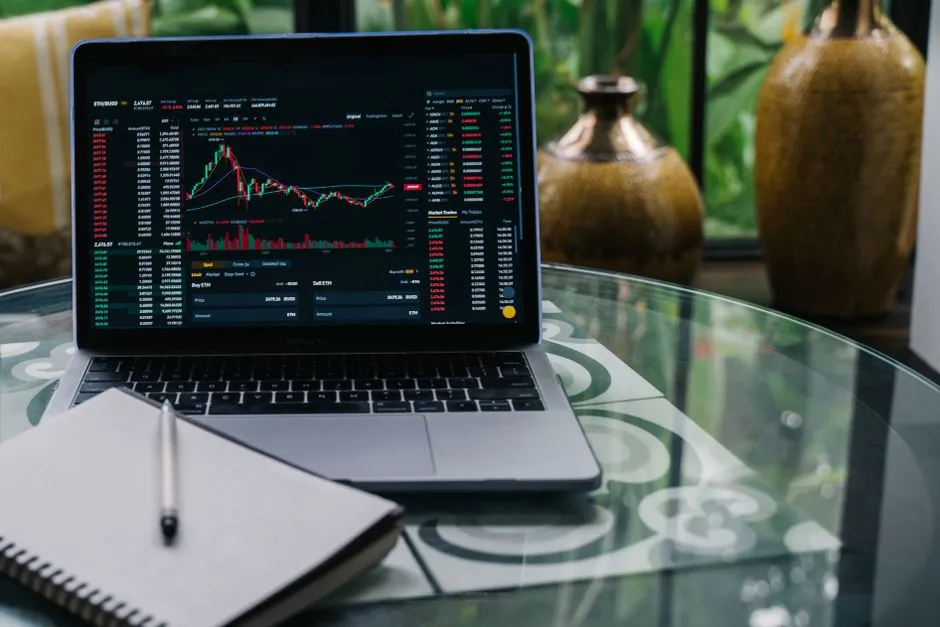
The world of retail investing is moving at a breakneck pace, and Robinhood is once again leading the charge. In a move that signals a major shift in how everyday investors interact with digital assets, the brokerage has announced plans to roll out AI-powered trading agents specifically for cryptocurrency. This new feature will allow eligible U.S. customers to authorize artificial intelligence to execute crypto trades on their behalf, marking a significant expansion of automated investing beyond traditional stocks and options.
What Exactly Are Robinhood’s AI Trading Agents?
At its core, this new tool is designed to bridge the gap between complex algorithmic trading and the average retail investor. Rather than manually scanning charts, setting limit orders, or waking up in the middle of the night to catch a sudden market dip, users will be able to delegate specific trading tasks to an AI agent. These digital assistants will operate within predefined parameters set by the user, ensuring that while the execution is automated, the overarching strategy remains under human control. Think of it as a financial co-pilot that handles the heavy lifting while you stay firmly in the driver’s seat.
Expanding Beyond Stocks and Options
Robinhood has already experimented with automation in traditional markets, but extending these capabilities into the cryptocurrency space represents a strategic leap. Crypto markets never sleep, and their notorious volatility can be both a blessing and a curse for traders. By introducing AI agents tailored for digital assets, Robinhood is acknowledging the unique demands of this asset class. During a recent Friday presentation, the company highlighted that this isn’t just a marketing gimmick; it’s a structural evolution of their trading infrastructure, built to handle the high-frequency, round-the-clock nature of crypto markets.
How the Feature Will Work for Retail Investors
When the feature officially launches, eligible U.S.-based users will have the ability to customize their AI agent’s behavior. This means setting risk tolerances, defining target cryptocurrencies, and establishing clear buy and sell thresholds. The AI will then monitor market conditions in real-time and execute trades that align with those parameters. Importantly, Robinhood has emphasized that users will retain full oversight. You won’t be handing over your entire portfolio to a mysterious black box; instead, you’ll be deploying a highly efficient tool that follows your explicit instructions. This level of transparency is crucial in an industry where trust and control are paramount.
The Implications for the Crypto Market
The introduction of retail-friendly AI trading agents could have ripple effects across the broader cryptocurrency ecosystem. On one hand, it democratizes access to sophisticated trading strategies that were once reserved for institutional players or highly experienced traders. On the other hand, it raises valid questions about market stability. If thousands of retail investors are running similar AI-driven strategies, could it lead to increased short-term volatility or herd behavior? Regulators and market analysts alike will be watching closely to see how this automation impacts liquidity, price discovery, and overall market health.
What Investors Should Know Before Jumping In
While the promise of automated crypto trading is enticing, it’s essential to approach this feature with a clear head. AI agents are only as good as the data they’re fed and the parameters they’re given. They don’t possess human intuition, and they can’t predict black-swan events or sudden regulatory shifts. Retail investors should view this as a powerful tool for execution, not a crystal ball for market direction. Diversification, risk management, and a solid understanding of your own financial goals should always come first. Additionally, keeping an eye on how Robinhood structures fees, data privacy policies, and compliance frameworks around this new feature will be wise as it rolls out.
Final Thoughts
Robinhood’s decision to hand over crypto trading execution to AI agents marks a pivotal moment in the evolution of retail finance. By bringing institutional-grade automation to the fingertips of everyday investors, the platform is lowering the barrier to entry for sophisticated crypto trading strategies. However, with great power comes the need for responsibility. As this technology becomes widely available, investors will need to balance the convenience of automation with the timeless principles of disciplined investing. The future of trading isn’t just about who has the fastest algorithms; it’s about who can use them wisely. For now, the stage is set, and the next chapter in retail crypto investing is about to begin.