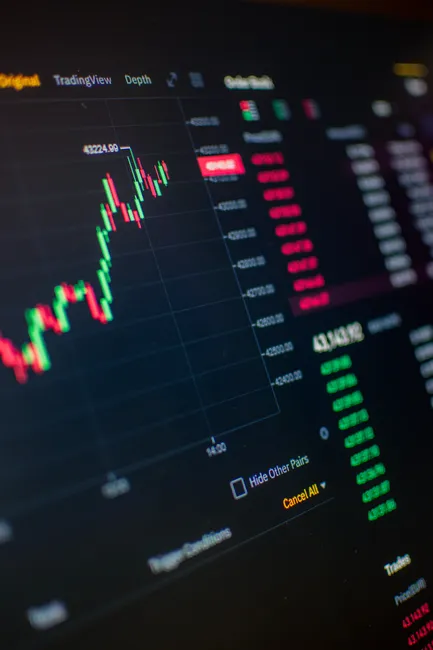
Robinhood Executives Take Profits as Stock Prices Soar
In the dynamic world of public markets, insider movements often serve as a significant barometer for investor confidence. Recently, Robinhood Markets (NASDAQ: HOOD) has made headlines not for a new feature or regulatory victory, but for a classic financial maneuver: insiders selling shares following a sharp rally. This activity has caught the attention of analysts and retail investors alike, raising questions about what these transactions mean for the future trajectory of the fintech giant.
The Mechanics of Insider Selling
When executives or board members sell a portion of their stock holdings, it is typically triggered by significant market gains. In this specific instance, Robinhood insiders liquidated shares valued at millions of dollars after witnessing a notable upward trend in the company’s stock price. While insider selling can sometimes signal concern, there are several benign explanations for such activity.
Profit Taking: The most common reason is simply locking in profits. If executives have held onto their positions during periods of high volatility or significant growth, selling at a peak allows them to realize gains and rebalance their personal portfolios.
Diversification: Insiders are often advised to diversify their assets beyond company stock. A large sale indicates a move away from concentrated risk in the company itself, which is generally considered sound financial stewardship rather than a negative signal about the business fundamentals.
What This Means for Retail Investors
Retail investors watching Robinhood often look to these filings as indicators of future stock performance. When insiders sell, it can lead to short-term volatility or bearish sentiment in the broader market. However, context is key. For a company like Robinhood, which operates at the intersection of traditional finance and cryptocurrency trends, insider activity must be weighed against current macroeconomic conditions.
If the stock rally was driven by strong earnings or strategic partnerships, selling by insiders might not dampen the long-term outlook. Conversely, if the sale occurs amidst regulatory uncertainty or a cooling crypto market, it could reinforce caution among investors who are already risk-averse regarding fintech exposure.
The Broader Context of Market Tracking
As we move further into the current financial year, monitoring these moves becomes increasingly important for anyone looking to understand the 2026 outlook for blockchain and token-related companies. Robinhood has positioned itself as a bridge between traditional trading and digital assets. The company’s internal movements, combined with external market data, provide a richer picture of where the industry is heading.
Experts suggest that tracking these filings alongside broader economic indicators helps identify potential inflection points. For instance, if insider selling becomes widespread across the fintech sector, it might indicate a sector-wide adjustment before a major correction. If isolated to Robinhood, it may simply reflect individual executive planning.
Conclusion: Watching the Numbers
The decision by Robinhood insiders to sell millions in shares after a rally is a significant event that warrants attention but does not necessarily predict an immediate decline in stock value. It represents a standard practice of wealth management for high-level executives who have benefited from the company’s growth.
For investors, the takeaway should be diligence. Always review SEC filings and insider transaction reports to understand the full story behind the headlines. While these sales are notable, the long-term success of Robinhood will ultimately depend on its ability to navigate regulatory landscapes, maintain user trust, and continue innovating in the competitive fintech space. By keeping a close eye on these metrics alongside broader market trends, investors can make more informed decisions about their own portfolios.