The cryptocurrency market has long been sensitive to macroeconomic shifts, and the latest data from U.S. spot Bitcoin exchange-traded funds (ETFs) is a clear example of that dynamic in action. After a prolonged period of capital withdrawal, investors are once again pouring money into Bitcoin products, marking a significant shift in market sentiment.
Breaking the Cycle: A $221.7 Million Inflow
For ten consecutive days, U.S. spot Bitcoin ETFs experienced a steady stream of outflows, a pattern that often signals caution or profit-taking among institutional and retail investors alike. That streak has officially come to an end. According to tracking data from SoSoValue, these ETFs recently recorded a net inflow of $221.7 million. While the number might seem modest in the broader context of traditional finance, it carries substantial weight in the crypto ecosystem. ETF inflows are widely viewed as a reliable barometer for institutional confidence, and a sudden reversal after a two-week drought typically points to a shift in underlying market psychology.
Weak Jobs Data and the Federal Reserve Factor
So, what triggered this sudden change in direction? The answer lies in the latest batch of U.S. economic reports, particularly the softer-than-expected jobs data. When employment figures come in weaker than anticipated, the immediate implication is that the Federal Reserve may not need to keep interest rates as high for as long. High interest rates generally strengthen the U.S. dollar and make yield-bearing assets like Treasury bonds more attractive, which can drain liquidity from riskier markets like cryptocurrencies. Conversely, when rate-cut expectations return, capital tends to rotate back into growth and speculative assets.
Bitcoin, often referred to as digital gold, has historically responded well to dovish monetary policy signals. As inflation concerns ease and the Fed pivots toward a more accommodative stance, investors are increasingly comfortable reallocating funds into Bitcoin ETFs. This mechanism isn’t new, but it continues to demonstrate how tightly intertwined traditional macroeconomics and digital asset markets have become.
Why ETF Flows Matter More Than Ever
Exchange-traded funds have fundamentally changed how investors interact with Bitcoin. Before their approval, accessing the cryptocurrency required navigating exchanges, managing private keys, and dealing with regulatory uncertainty. Today, traditional brokerage accounts can hold Bitcoin ETFs, making it easier for pension funds, wealth managers, and everyday investors to gain exposure without the technical hurdles.
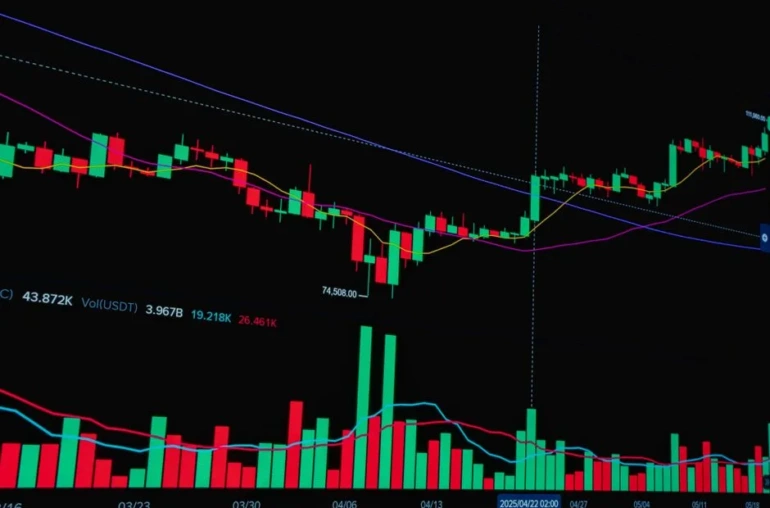
When these funds see consistent inflows, it often leads to increased buying pressure on the underlying asset. ETF providers must purchase actual Bitcoin to back their shares, which can influence price action and reduce available supply on centralized exchanges. The recent $221.7 million injection suggests that institutional players are positioning themselves for a potential upward move, especially after Bitcoin recovered from its recent weekly lows.
What Investors Should Watch Next
While the reversal of the outflow streak is encouraging, it is important to approach the market with a balanced perspective. Crypto markets remain highly volatile, and short-term inflows do not guarantee sustained price appreciation. Several key factors will likely dictate the next phase of Bitcoin’s trajectory:
- Federal Reserve communications: Any hint of prolonged rate hikes or unexpected inflation data could quickly shift sentiment back toward risk-off assets.
- ETF flow consistency: A single day of strong inflows is positive, but sustained accumulation over weeks or months is what typically drives structural market shifts.
- Broader macroeconomic trends: Employment reports, consumer spending data, and global liquidity conditions will continue to play a major role in how capital allocates across asset classes.
For those monitoring the space, keeping a close eye on daily ETF tracking platforms, alongside traditional economic calendars, provides a clearer picture of where smart money is heading. The intersection of macro policy and digital asset adoption is still evolving, but the tools to track it are more accessible than ever.
Final Thoughts
The recent $221.7 million inflow into U.S. spot Bitcoin ETFs marks a meaningful pivot after a ten-day period of capital withdrawal. Driven by softer jobs data and renewed expectations of a more flexible Federal Reserve stance, the shift highlights how deeply traditional economic indicators continue to influence cryptocurrency markets. While short-term volatility is always a possibility, the growing institutional participation through ETFs suggests that Bitcoin is increasingly being treated as a legitimate component of diversified portfolios. As macroeconomic conditions evolve, investors who understand the relationship between monetary policy, ETF flows, and market sentiment will be better positioned to navigate the road ahead.