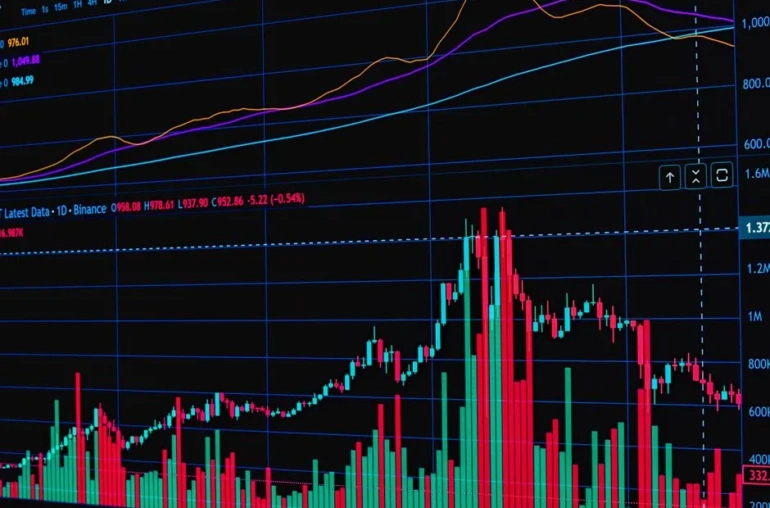
For anyone who has spent more than a few years navigating the cryptocurrency space, the familiar rhythm of euphoria, correction, and uncertainty is hardly a surprise. Yet, certain on-chain signals continue to stand out because they have historically marked the exact moment the market shifts gears. Recently, one particular metric has caught the attention of analysts and long-term holders alike: Bitcoin’s realized profit and loss ratio has plummeted to a 43-month low of -0.35. According to data from blockchain analytics platform CryptoQuant, this specific reading has only appeared a handful of times in Bitcoin’s history, and each instance preceded a significant market bottom.
Understanding the Realized Profit and Loss Ratio
Before diving into what this latest drop means, it helps to understand exactly what the metric measures. The realized profit and loss ratio tracks the difference between the price at which Bitcoin is sold and the price at which it was originally acquired, averaged across all on-chain transactions. When the ratio is positive, sellers are generally making a profit. When it turns negative, it indicates that more coins are being sold at a loss than at a gain. Essentially, it serves as a real-time gauge of market sentiment and trader behavior.
When this number dips deeply into negative territory, it usually signals widespread capitulation. Retail investors and leveraged traders are exiting positions quickly, often out of fear or frustration. While painful in the short term, this phase typically flushes out weak hands and clears the market of excessive selling pressure, creating a cleaner foundation for the next leg up.
The Current Drop: A 43-Month Low
Recent on-chain data reveals that Bitcoin’s realized profit and loss ratio has fallen to -0.35, marking the lowest reading in over three years. To put that in perspective, the metric has only touched similar levels during the depths of previous bear markets. The drop suggests that a significant portion of recent transactions involved holders selling below their average entry price. This kind of widespread loss realization is rarely a sign of a healthy market, but historically, it has been a reliable indicator that the worst of the selling is behind us.
CryptoQuant’s analysis highlights that these extreme negative readings tend to cluster around macroeconomic stress points, regulatory uncertainty, or broader risk-off sentiment in traditional finance. When the ratio bottoms out, it often means that the most desperate sellers have already exited, leaving the market with a cleaner slate for the next cycle.
Historical Patterns and Market Bottoms
If you look back at Bitcoin’s price history, the realized profit and loss ratio has served as a remarkably consistent contrarian indicator. During the 2014 bear market following the Mt. Gox collapse, the ratio plunged into deeply negative territory before prices stabilized and eventually recovered. A similar pattern emerged in late 2018, when prolonged selling pressure pushed the metric to historic lows right before the next bull run began. Most recently, the metric behaved identically during the 2022 crypto winter, bottoming out just as institutional interest and spot ETF approvals began to gain traction.
What ties these periods together is a simple market dynamic: when everyone who wanted to sell has already sold, there is very little left to push prices down further. At that point, patient capital, long-term holders, and institutional buyers step in to accumulate. The market does not bottom in a straight line, but these on-chain signals often provide a clear window into the structural shift that precedes sustained rallies.
What This Means for Investors and Traders
While a deeply negative realized profit and loss ratio is historically bullish in the long run, it is important to approach it with realistic expectations. Market bottoms are rarely V-shaped recoveries. Instead, they tend to be messy, volatile, and emotionally draining. The metric confirms that selling pressure has likely peaked, but it does not guarantee an immediate price surge. External factors like macroeconomic data, interest rate decisions, and regulatory developments will still play a major role in short-term price action.
For active traders, this environment calls for caution and discipline. Rather than trying to catch falling knives or chase quick profits, many experienced participants use these phases to scale into positions gradually, set clear risk parameters, and focus on long-term value. For passive investors, the signal reinforces the importance of sticking to a predetermined strategy and avoiding emotional decision-making during periods of extreme volatility.
Navigating the Next Phase of the Cycle
On-chain metrics like the realized profit and loss ratio are powerful tools, but they work best when viewed alongside other indicators such as exchange reserves, miner behavior, and broader market liquidity. The current reading of -0.35 strongly suggests that we are in a late-stage distribution phase, where weak hands are exiting and strong hands are quietly accumulating. While no single data point can predict the future with certainty, historical precedent shows that markets rarely stay broken forever.
As Bitcoin continues to navigate this complex macro environment, patience and research will remain the most reliable tools for any participant. The cycles of crypto have always been defined by periods of extreme fear followed by sustained growth. If history is any guide, the current loss metric may just be another chapter in the same familiar story. The key is to stay informed, manage risk responsibly, and let the data guide your strategy rather than your emotions.