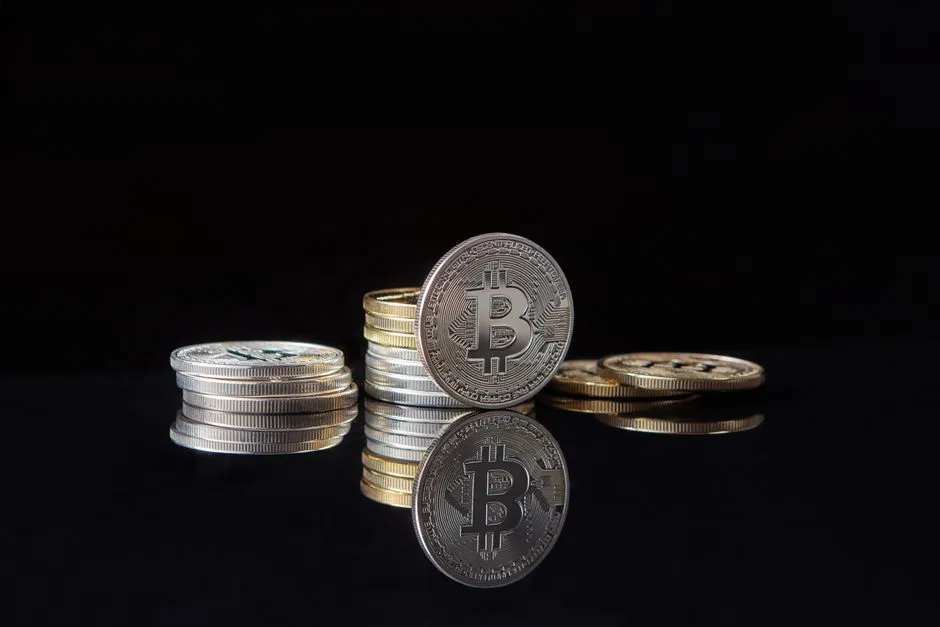
Binance Takes a Major Step Toward the Philippines Market as SEC Approves Sandbox Testing
The cryptocurrency landscape in Southeast Asia is constantly evolving, and the latest development confirms that Binance is making significant progress in re-establishing its presence in the Philippines. The country’s Securities and Exchange Commission (SEC) has officially granted final approval for BlockShoals Technologies, a local partner, to begin regulatory sandbox testing. This move marks a crucial milestone in Binance’s strategy to operate within the Philippine jurisdiction while adhering to strict local compliance standards.
Understanding the Regulatory Sandbox Approach
For those unfamiliar with financial technology regulation, a sandbox environment is a controlled testing ground where companies can trial new products, services, or business models under the direct supervision of a regulatory body. Rather than facing an immediate, blanket approval or outright ban, firms are allowed to operate within specific boundaries. This approach allows regulators to monitor real-world performance, assess consumer protection measures, and evaluate systemic risks before granting a full operating license.
In this case, the Philippine SEC has given the green light for BlockShoals to operate within this framework on behalf of Binance. The sandbox phase will likely involve testing core exchange functionalities, payment gateways, and compliance protocols tailored to Philippine financial laws. It is a methodical process designed to ensure that any crypto platform operating in the country meets the highest standards of security and transparency.
Why Local Partnerships Matter
Global cryptocurrency exchanges rarely navigate foreign regulatory landscapes alone. Partnering with a locally registered entity like BlockShoals Technologies provides Binance with a critical advantage. Local partners understand the nuances of domestic financial regulations, consumer behavior, and banking infrastructure. By leveraging BlockShoals’ existing legal and operational framework, Binance can streamline its compliance efforts while maintaining the technological infrastructure that millions of users rely on.
This collaborative model has become increasingly common in Southeast Asia, where regulators are moving away from outright bans and toward structured oversight. It demonstrates a willingness from both the exchange and local authorities to find a middle ground that fosters innovation without compromising financial stability.
Binance’s Journey in the Philippine Market
The road to this approval has not been straightforward. Binance initially faced significant regulatory headwinds in the Philippines after being barred from operating in 2023 due to non-compliance with local securities laws. However, the company quickly adapted its strategy, shifting focus toward establishing a formal local presence and engaging directly with Philippine regulators. The SEC eventually allowed the exchange to continue serving local users under strict conditions, provided it registered a local entity and implemented robust compliance measures.
The recent approval of BlockShoals’ sandbox testing represents the next logical phase in this journey. It signals that Binance is no longer just operating in a regulatory gray area but is actively participating in a structured, government-supervised trial period. Binance leadership has publicly acknowledged this progress, emphasizing their commitment to working transparently with Philippine authorities and delivering a safer trading environment for local investors.
What This Means for the Local Crypto Ecosystem
The Philippines has long been one of the most crypto-friendly markets in Southeast Asia, with high retail adoption and a growing number of blockchain startups. However, rapid growth has also attracted bad actors, leading to increased regulatory scrutiny. The SEC’s decision to allow sandbox testing reflects a mature regulatory approach: encouraging innovation while prioritizing investor protection.
For everyday Filipino crypto users, this development could translate into a more stable and legally protected trading experience. Licensed or sandbox-approved platforms are typically required to implement stricter identity verification processes, segregate customer funds, and maintain higher security standards. While some traders may initially view these measures as restrictive, they ultimately contribute to the long-term legitimacy and sustainability of the digital asset market in the country.
Looking Ahead: The Road to Full Compliance
Sandbox testing is not a permanent arrangement. It is a preparatory phase designed to gather data, refine operations, and prove regulatory compliance. Once the testing period concludes, the Philippine SEC will evaluate the results and decide whether to grant a full operating license. If successful, Binance could officially operate as a fully compliant entity in the Philippines, offering localized services, fiat on-ramps, and potentially even banking partnerships.
The broader implications extend beyond a single exchange. This regulatory framework could serve as a blueprint for other international crypto platforms looking to enter the Philippine market. It also reinforces the country’s position as a regional hub for digital asset innovation, attracting both foreign investment and domestic talent.
As the sandbox phase gets underway, all eyes will be on how BlockShoals and Binance execute this trial period. The outcome will likely set a precedent for how global exchanges navigate Southeast Asian regulations in the years to come. For now, this approval represents a clear win for structured crypto regulation and a promising step toward a more transparent, secure, and thriving digital asset ecosystem in the Philippines.